Calories Burned on Treadmill for 30 Minutes – Enough for Good Health

30 Minutes of Exercise on the Treadmill

Are you facing a weight gain problem and looking for the best solution to lose your body weight? There are many solutions to lose your body weight, such as medicines and other natural ways like diet and exercise. Among all of the exercises is the best way, and people should adopt that way because there are no side effects of exercise like medicines and diet plans to lose weight.

You know many ways of exercise, but the treadmill is an effective exercise that experts recommend for losing weight. You can daily exercise on the treadmill and can burn enough calories. Experts say that a daily 30-minute workout with the treadmill is enough to burn calories for the average person. But the question arises in mind how many calories burned on  treadmill for 30 minutes of exercise? 

Today we will elaborate on each and everything about treadmill exercise and how many calories you can burn with a continuous 30 minutes exercise on a treadmill.

Calories Burned on Treadmill for 30 Minutes – Is 30 minutes Enough for losing weight?

There are many opinions by experts about burning calories on the treadmill; there is no doubt that the treadmill helps burn calories in the body. But here, we will refer to a research study about calories burned on treadmill for 30 minutes to clarify that it is enough or not.

Best Treadmill for Walking– Top Guides And Reviews For 2025

What study reveals?

A research study was conducted at the University of Copenhagen and published in the American Journal of Physiology. In the study, a research experiment was conducted on 60 men facing weight gain issues.

Half of the men did an exercise for 60 minutes a day, while the other half of the men-only did for thirty minutes on the treadmill for 13 weeks. 

The researchers were expecting that the men who were doing exercise for 60 minutes will lose more weight. But they are surprised to see that the men who exercise for 30 minutes on the treadmill lose more weight than the men who exercise for 60 minutes a day.

What factors the researcher found?

The results of the above experiments shocked the researchers. They do further investigation to find why the men who exercise on the treadmill for thirty minutes lose more weight than men who exercise for 60 minutes.

They found that the men who do exercise for 30 minutes save their time, they rest for more time, and they also were conscious of eating and spent their time in different activities. 

But on the other side, the men who were doing exercise for 60 minutes after strenuous exercise fatigued and sleep for a longer time also eat more because they did more training. Overeating and more sleep, they gain calories they have burned during exercise.

But the researcher found the answer of how many calories burned on treadmill for 30 minutes.  It becomes a hope for the people who do not have much time to exercise and want to get rid of overweight. 

They can burn enough calories in a day with normal routine activities, little compromised diet plan, and only 30 minutes they need to spend on the treadmill. They recommend doing exercise on the treadmill for 150 minutes a week or 30 minutes five times a week.

You can make your exercise easier by dividing 30 minutes into 10, 10 minutes three rounds or 15, 15 minutes two games. The experts say that we should do 30 minutes of exercise on the treadmill; it will burn calories and not disturb our everyday routine.

How to Lose Weight on a Treadmill in a Month: 5 Efficient Methods

How Many calories do you burn by exercise on the treadmill?

There is no exact way to know how many calories one can burn by exercising on a treadmill. Many factors make it different for different people because factors such as weight, amount of fats in the body, height, and stress on exercise, and age are some factors that can vary the results.

But some ways make it possible for us to get a closer idea to know how much calories one can burn, such as calories estimate calculators. Many free online calculators are available to calculate calories burned by exercise on a treadmill.

How to calculate calories from a treadmill exercise calculator?

Using the treadmill exercise calories calculator is pretty easy; you need to enter simple information such as your weight and time of exercise.

You will see two boxes to input data and one button to calculate calories; the first box is for inputting your body weight. While the second box is for entering time in minutes, and the third button “Calculate” to calculate a result.

  • First, enter your weight in pounds.
  • Then enter your exercise time in minutes
  • In the end, press the “Calculate” button
  • The result will appear in front of you for calories burned.

The calories calculate from this calculator are not a hundred percent accurate, but they are very close to the real burned calories by exercising on a treadmill.

What is the best way to exercise on the treadmill?

It is a famous saying that competent workers are better than hard workers. So when you are doing exercise on the treadmill, follow intelligent choices and complex exercise plans.

You may think that you should exercise for hours to burn calories fast and choose such complex plans that make you tired, and you cannot maintain consistency. But if you choose the intelligent exercise plan, like to exercise for 30 minutes a day on the treadmill. It is beneficial than hard plans.

You can follow that exercise plan with consistency and with easy diet plans and routine life activities; you can maintain your weight by burning calories with 30 minutes of exercise on a treadmill. 

Do not do continuous exercises like for one hour or two hours or straight 30 minutes. It is better to divide the whole time into short intervals and repeat them repeatedly. With such short breaks, you efficiently manage exercise for more than 30 minutes with less fatigue.

How to exercise for 30 minutes on the treadmill?

If you are looking for the right ideas about maximum calories burned on treadmill for 30 minutes, then the following are the helpful tips for you to follow.

Be consistent

One of the essential things you need to follow is following consistent patterns. It would help if you did 30 minutes of exercise daily. Inconsistent practices cannot benefit you no matter how many hours you exercise. So the first principle is that do exercise on the treadmill consistently.

How to walk on the treadmill?

If your body weight is 125 pounds, then a simple walk with a speed of 3.5 mph for 30 minutes is enough to burn 110 to 130 calories. If you are a heavy person, like more than 185 pounds, you can burn more than 170 calories with a 3.5 mph speed walk on the treadmill. 

But it is not enough for weight loss because with 110 to 130 calories burned, you will only half an ounce of fat, while with 170 calories burn you will lose only 0.8 ounces.

Walk with a speed of 4.5 mph, then with the 125-pound weight, you can burn 150 calories, while with a 185-pound weight, you can burn 220 calories with 30 minutes of exercise. But you will only lose 0.6 ounces of fat on 150 calories and 1-ounce fat for 220 calories burned.

With running at a speed of 5 mph, a 125-pound person can lose 240 calories, while a person with 125 pounds can lose 355 calories. With 240 calories burn 125 pounds person will lose an ounce of fats while the other person will lose 1.6 ounces.

But if you consistently walk at a speed of 10 mph, you can lose 495 calories if your weight is 125 pounds and more than 700 calories if your weight is over 185 pounds. You can lose 2.30 ounces and 3.4 ounces of fats, respectively.

So if you are struggling to lose fat, you can manage your calories burn according to speed. With a fast pace, you can burn more calories. Some people even run on the treadmill too fast, more than 12 mph, which is best to lose fats with only 30 minutes running on a treadmill. Read more. 

Is it true that 30 minutes of exercise on the treadmill is enough for burning calories?

Research reveals that the treadmill is the best and suitable gym equipment for people struggling to burn calories. But it varies on the basis of different factors such as age, weight, and speed of running on a treadmill. 

You can burn more calories with faster speed running on a treadmill. A simple lifestyle and average ten mph speed running on a treadmill can help you burn calories.

Final Thoughts

Weight gain is one of the significant challenges that the world is facing now, and in such a pandemic situation, it becomes hard to do exercise in parks or outside areas. But if you have a treadmill, it is one of the best ways to burn calories. 

We have also explained well in the above content that how many calories burned on treadmill for 30 minutes running. Only 30 minutes running on a treadmill with an average speed of 10 mph is suitable for burning enough amounts of calories.

Best Ice Skates For Beginners – Unbiased and Ultimate Guides And Reviews

Best Ice Skates For Beginners

As an adult or for your child, finding the best ice skateboards can be a hard job, especially when you are a beginner. However, there are a myriad of options available on the market. Deciding the functions and features of an ice skating board can be complicated. At this point, you need to ask your coach and everyone who knows skating. Ask them how to choose the best ice skates for beginners.

Ask them about the difficulties and complexities of skating on ice in the winter. Once you get the mindset, you can read this entire guide. It will help you choose the best ice skates for beginner child. 

But if you take a look at this comprehensive guide for ice skating shoes for beginners now, you won’t have to go anywhere else for suggestions or recommendations.

How Much Should You Spend To Buy Ice Skates?

As a skater, you need to make sure that you are getting the best experience with your product, as little price as possible. That is the best ice skating tips for beginners we can give you at the moment. No one likes to purchase huge and expensive things without knowing how they may function. Many skateboards’ prices range between $7-15 if you take them as a rental.

But they usually cost $100-200 in the US if you want to purchase one. If you are joining a skating class, that’s why you are looking for a skateboard; you can go for a rental board. 

They will teach you important skills without you having to buy an expensive item. But if you are thinking about purchasing one anyway, you can do one thing. You can take the above-mentioned amount as a budget.

Read more: 10 Best Ice Skates In The World (Real Time Reviews and Users Experiences)

Buying Guide – How To Choose The Best One

From beginners to advanced, skateboards come with all levels of skating and you need the ultimate advice to buy one. 

You should choose a skateboard that perfectly fits your standard. You need to make sure whether you are a beginner skater, an intermediate skater, or an expert one.

Advanced skaters usually are able to do hard tricks and ride on almost every surface. On the other hand, intermediate skaters have enough knowledge to control themselves in a concave deck in skate parks with ease. 

But novice skaters don’t usually know a lot of things about skating, so they find plain and flat decks useful. Toddlers between 4-10 ages can also be counted as novice skaters.

There are various parts of a skateboard as well. You need to learn about the parts and how they function. Here you go-

  • Deck: Deck is the standing platform where skaters show their tricks and magic. They can be made of laminated woods with layers.
  • Hardware: Your skateboard comes with nuts and bolts that hold you on your feet. So, you can smoothly hover over any surfaces.
  • Grip tape: They are applied to the top of the deck to provide extra safety and balance to your feet.
  • Trucks: Trucks let the board turn properly as and when the rider needs to manoeuvre. They provide axles to the wheels.
  • Wheels: Wheels ensure a smooth ride for the rider as they let you roll the board wherever you want. And they also give space for the bearings.
  • Bearings: Bearings are placed inside of the sides of the wheels to let you spin the board without any hassle.

These are all the mandatory parts of a skateboard that need to be present. And no matter what level of a skateboard you are looking for, without these parts, the item will be useless. So, with that being said, let’s explore our list of 10 best ice skates for beginners.

Top 10 Best Ice Skates For Beginners

Look at this list of 10 figure skates for beginners. Here I have included every single detail of every single skateboard. You can check out the pros and cons too, to determine whether or not they are suitable for you.

1. Riedell Skates – 110 Opal

The Riedell Skates 11- Opal is a set of white figure skates for beginners. A little different from your usual idea of a skateboard. But this one is great for beginners. Suppose you plan to visit Yosemite, California this month, or any other snowy area. It keeps you stable in the snow and gives you enough freedom for movement.

You can use these figure skates for as long as you wish, and you will feel comfortable in each use. The manufacturer has used enough quality cushions to keep your feet dry and comfortable too for hours. 

It comes with a maintenance-free PVC sole that makes sure you are safe from ice and injuries. There is no better option for the first time ice skating than this Riedell Skates – 110 Opal. Check out its pros and cons too.

1. Riedell Skates

Pros

  • It comes with a versatile blade to give you a smooth ride
  • It gives you the best performance no matter what surface you are skating on.
  • Ultra-durable
  • Soft and comfortable for endless use
  • Lightweight material
  • It keeps you safe and dry all day long.
  • It comes with a simple lacing system for carefree skating.

Cons

  • Does not provide the best support

2. Bladerunner Ice by Rollerblade Zephyr

This is a masterpiece from Rollerblade. It is another suitable choice for ice skating shoes for beginners. Its padded velvet lining comes with Thinsulate and a cushioned footbed. 

Besides, it provides you with an instant comfort feeling. They give you warmth along with comfort so that you can enjoy your snow riding session for as long as you can.

Don’t worry. The Bladerunner ice skating boards for adults are extremely lightweight. You can’t even feel that they are sitting on your feet. Moreover, it comes with a buckle and lace closure system to enhance the security and grips on your feet. 

The Bladerunner Ice skates manage to provide the ultimate sophistication along with performance. The good-quality blade is sharpened and suitable for skating on all types of surfaces. Also, if you are worried that the blades are fragile, don’t be. 

The blades are made from stainless steel that looks young even after years of use. However, all new skate blades should be sharpened before use. 

2. Bladerunner Ice by Rollerblade

Pros

  • It gives a proper fit, comes in different sizes
  • Provides consistent performance even after many uses
  • Suitable for men and women
  • Lightweight material
  • Comfortable and safe to wear

Cons

  • The blade can be somewhat hard to skate with

3. Jackson Ultima Softec Sport Women’s Recreational Hockey Skate

The Sports Hockey Skates from Jackson is another must mention tool for skaters. It’s more like a hockey shoe than figure skating. Comes with a nice modern look to support those stylish skaters.

The Thinsulate lined upper,, and tongue keeps your feet comfortable all day long. Moreover, the hockey skate is super lightweight so that you don’t feel any extra weight on your feet to slow you down.

The cushy foam padding is there to save your feet from freezing ice and provide you with the maximum warmth. The best thing about this hockey skate is, it is perfect for both men and women. And available in black, blue, and white colours. You can choose from different sizes suitable for men and women.

If you don’t feel comfortable handling a pair of a long skateboard, then you don’t have to. Instead, purchase something like the Jackson Ultima. It works as a shoe and hockey skate both at the same time.

3. Jackson Ultima Softec Sport

Pros

  • It is comfortable to wear
  • Available in various colours and sizes
  • Has synthetic outsole for reduced weight
  • Has leisure blade with stainless steel runner
  • Durable and stylish

Cons

  • The blades are not professional enough

4. Jackson Ultima Excel White Figure Ice Skates

Women like to wear fancy lacy stuff that looks feminine. For those who like feminine footwear, this Jackson Ultima is here. It’s another hockey skate boot, but this one is a little more expensive than the previous one. This is one of the best ice skates for beginner child too.

The price here is not a factor as it delivers a good and stylish look along with maximized comfort and great performance. These ultra excel white figure skates for girls and women are suitable for basic skaters. From 1-6 level students, precisely. You can do almost anything with them, including jumping outdoors in the snow.

Like every skateboard, you should sharpen its blades after each use. It’s excellent for skaters looking for supportive skating boots with good blades. It comes with synthetic lining, PVC outsole, and a mesh comfort tongue. The features help you perform anything you want in front of the audience. It looks expensive and works premium for level 5 beginner skaters.

4. Jackson Ultima Excel White Figure Ice Skates

Pros

  • Lightweight skate boots
  • Comes in various sizes and bright white colour
  • Suitable for women and girls
  • Comfortable enough to perform any type of activities in the snow
  • Blades are good
  • The shoe fits well on all foot types

Cons

  • It is not suitable for intermediate or advanced level skaters.

5. Botas – Model: Robin/Made in Europe

The ROBIN model black ice skates for men is one of the marvellous ice skates that you can find on Amazon. Not only it comes with a powerful waterproof feature. But also superb comfort for modern skater men. Its high-quality synthetics give you the utmost comfort during use. No matter how difficult the surface can be.

The knit lining and designed foam laminate make it more comfortable than ever as well as making it look modern and stylish. It comes with rugged plastic soles that secure the blades safely in the right place. Even if you think about looks more than the quality, this figure skater will win the contest too.

It shines and is also smooth, providing a great premium effect on your feet. Since Botas is a European footwear brand, you can imagine how classy this footwear is. Its waterproof materials are enough to keep your feet warm. And comfortable all day long, no matter how intense your skating session is. Also, it is lightweight enough to help you hover around the snow with ease.

5. Botas

Pros

  • Equipped with Layers Thermo Technology (LLT) to provide full support to your feet
  • The Air Flow System (AFS) and BOTAS Air reduce dampness from your feet.
  • The soft lining keeps your feet comfortable for hours.
  • Available in different sizes
  • Suitable for beginner skaters

Cons

  • The blades are thin

6. Riedell Skates – 119 Emerald

Are you looking for a pair of fun ice skates? Check out the Riedell 119 Emerald, available only on our favourite Amazon. It comes with a leather tongue reinforcement. That helps to add protection and strength to your ankles and feet. And the double synthetic reinforcement adds support to your overall ice skating session.

Since it comes with the PVC sole unit and Dri-Lex lining as well, it can keep your feet dry for a long time. While purchasing a pair of ice skates, the first thing you should notice is the comfort they might be providing.

The figure skates have stainless steel Luna blades to help you perform better in the snow. The luna blades are versatile and help you control your performance and speed in the snow.

Hence, whether you are a novice skater or a little more than that, this Riedell Skates is your perfect bet.

6. Riedell Skates

Pros

  • It’s comfortable and supportive
  • Provides professional look
  • Well-padded
  • A nice choice for beginners and intermediate skaters
  • Fits well

Cons

  • Not for advanced level skaters

7. Riedell Skates – 110 Opal

Another one from Riedell Skates is attractive. It’s professional and comes with great qualities and comfort. It’s another good option for the first time ice skating. These boots provide light support to your feet while you are hanging around in the snow. And since it comes with quilted lining cushions feet and the split tongue design, it provides incredible stability to your feet.

You don’t need to care about its PVC sole that keeps your feet dry and warm no matter what. And also, the stainless steel Spiral blade is fine and productive; they get the job done. The Riedell Skates – 110 Opal is all about comfort and attractiveness.

No matter how long you are using these, they will always keep your feet comfortable. It comes in various sizes. The stainless steel spiral blades are actually there to help you achieve your best performance. You can check out its quick size chart before buying these boots from Amazon. Always make sure to choose the right size for your feet as shoes tend to be very tricky sometimes.

7. Riedell Skates 7 11zon

Pros

  • Comfortable
  • Lightweight
  • Made for women
  • It keeps your feet safe and dry all day.
  • Provides great stability on the ice
  • The blades are versatile for any use.
  • Comes in various sizes and bright white colour

Cons

  • None so far

8. Riedell Skates – 10 Opal

The Riedell Skates 10 Opal is now available for boys as well only on Amazon. Are you looking to visit Alaska this year? Thinking about enjoying your special time with snow and water? This Riedell Skates – 10 Opal is what you need. These boots are perfect if you are looking for easy comfort and a professional & fancy look.

Not only do they have quilted lining cushions but also maintenance-free PVC soles. They keep your feet warm, comfortable, and stable in the ice. Get rid of all the worries you have regarding feeling wet feet while skating in the snow.

As the cushions and soles it comes with are enough to keep yourself dry and comfortable in your whole skating process. Boys of all ages can wear this shoe as long as you check out the size chart precisely.

They come with PVC, Leather, and Micro-Fiber materials to choose from. You can pick your pair from black or white as per your choice. If you want carefree skating, you should definitely check this one out.

8. Riedell Skates 10 Opal

Pros

  • Versatile blade for keeping you stable in the ice and snow
  • It comes with a lacing system to provide extra comfort and fit.
  • Ultra-soft and durable
  • Keep you safe and your feet dry for a long time.
  • Comes from lightweight materials
  • It comes in different sizes.

Cons

  • For beginner skaters only

9. Jackson Ultima Softec Classic ST2300 ST2321

Another ice skates for women, men, girls, and boys available on Amazon. This time it is from the Jackson brand. It has different colours. Including black, navy blue, black with purple, pink, white, cream white and white with pink. Since these ice skates are for everyone, they come in various sizes to suit different feet.

It has a Fleece lined upper and tongue for warmth and comfort and is suitable for beginner skaters. You can skate over hours with these shoes on and still feel warm underneath. 

9. Jackson Ultima Softec Classic

Pros

  • Available for all
  • Has different colour shades for different customers
  • Nice lined and provided comfort
  • Stable enough to keep you in the ice

Cons

  • For beginner level skaters only

10. Jackson Ultima Mystique Figure Ice Skates

Another one from the Jackson brand and is a masterpiece. It’s the best Ice Skating Tips for Beginners we can give you. Though a bit more costly than the previous one but totally worth it. Moreover, this one is probably the most expensive model in the Jackson ice skates categories.

If you are in Level 15 as a woman skate or level 19 as a man skater, these might be the best shoes for you. They are also available for toddlers and teenage boys and girls.

10. Jackson Ultima Mystique Figure Ice Skates

Pros

  • Comfortable
  • It lets you perform at your best
  • Available for all ages
  • Available in black and white
  • Men and women can wear

Cons

  • None that I know of

Frequently Asked Questions (FAQ)

Which ice skates are the best for you?

Depending on your requirements and skating level, you can find your best pick from this list. Are you looking for versatile ice skating shoes that support all gender and ages? And Best Skate For Toddlers? Then go with the Jackson Ultima Mystique Figure Ice Skates.

If the price is the main concern here, then I would suggest Riedell Skates – 10 Opal for Boys or Riedell Skates – 110 Opal. 

What type of ice skating do I intend to take up?

You can choose any skate among various figure skates and hockey skates, depending on your requirement and comfort. But you may also remember the surface you are willing to skate on to. That will help you make the best decision.

Which ice skates are the best for beginners from your list?

All of these skates are the greatest choices for beginner skaters. And you can go with any-one among these according to your budget and needs.

What Are The Different Types Of Skates?

There are various types of skates-

1. Fitness skates

2. Freestyle skates

3. Aggressive skates

4. Speed skates

5. Semi-race skates

6. Trekking skates

7. Nordic/off-road/terrain skates

7. Hockey inline skates

But the types I have given here are mostly hockey and ice skates.

How Much Should I Spend On Your First Pair Of Skates?

If you want to buy a cheap hockey skate, I would suggest you go for rental ones instead. But a quality product that also delivers performance is going to cost you at least 150-200 USD.

How Are Ice Skates Sized?

Senior ice skates sizes from fit 1.5 of a man’s shoes and junior skates size fit 1.0 of a boy’s shoes.

What Type Of Skates Are Easiest To Learn On?

Mostly children and adults find inline skates easier to lean on rather than roller skates.

Conclusion: 

Are you willing to invest in the best ice skates for beginners? Then choose the ones you are most comfortable wearing. And always remember, before looks come quality. So pick the one from the list that you think meets all your requirements. And if it looks good, it’s an added bonus.

Best Running Shoes For Bad Knees And Hips – Buying Guide for 2025

Best Running Shoes For Bad Knees And Hips

If you are facing knees and hips problems and the doctor suggests you run. & you want to have a good running shoe then this article is a must-read article for you.

The best running shoes for bad knees and hips will help the people who are suffering from knee and hip-related injuries and allow them to run comfortably. For people of all classes and ages, knee injuries are common. It happens when someone raptures their ligaments or torn their cartilage.

So wearing shoes that will neutralize the pain and provide comfort is crucial for running. For running with knee pain, there are a couple of criteria that a shoe should possess. These criteria can vary from one shoe to another, depending on its quality and price. Good support, maximum comfort, thick soles for better grip and stability, breathability, longevity, etc., are some of the main focal points for these running shoes.

A list of 06 Best Running Shoes For Bad Knees And Hips

Here are some of the contenders for best running shoes for bad knees and hips in 2025.

Our Top Recommendation That Works Good for Reducing Both Hip and Knee Pain

1. Best Cushioned Shoe: Brooks Men’s Beast 18

When Anyone has big, wide feet, you know that finding suitable footwear can be a struggle. Brooks Beast is one of the leading products. This version has included some extra value in the brook series. This shoe is very comfortable because of its widths in the toes area, especially. 

Beast 18 is excellent because of its width and cushioning power. Brooks specially designs this for men. 

This can be called the best running shoes for bad knees because of its road cushioned feature. For flexibility and also a natural running style, it has Omega Flex Grooves.

It is suitable for the purpose, and it gives a too classy look from the outside.

Overall it is one of the best running shoes for bad knees and hips.

Pros:

  • Extremely Cushioning
  • Flexible
  • Width Variety
  • Durable
  • Fashionable

Cons:

  • slightly small in size

2. Best For a Long Time Running: ASICS Men’s Gel-Kayano 26 Running Shoes

The Asics Gel Kayano is a first in the class alternative for pronators because of its curve backing, padding, and stun assimilation, all of which ease knee torment. ASICS Men’s Gel-Kayano 26 Running Shoes is one of the best shoes for running. 

Those who have back pain or other knee-related problems they exercise a must-be thing and those who have to run for an extended period. For them, this shoe is one of the best options. 

This is a very stable and cushioning shoe.

FlyteFoamLyte Technology: ASICS Formulation of the lightest weight midsole, which provides continuous cushion thanks to organic nanofibers. In this shoe, these fibres have added extra value. Also, because of the other materials used in this shoe makes this shoe more comfortable.

Pros:

  • Midsole shock-absorbing technology.
  • Lightweight
  • Well-cushioned
  • Comfortable
  • Stable

Cons:

  • Like most Asics, prone to be on the limited side through the midfoot

3. Best Supporting Shoe: Nike Men’s Dart 12 MSL Ankle-High Running

Nike is one of the best popular and renowned sports brands in the world. It’s no wonder they make some of the best running shoes in the industry. & the mentioned shoe is best nike running shoes for knee support.. Nike Men’s Dart 12 MSL Ankle-high running is one of the best running shoes for a bad knee. These shoes are very compact and lightweight. It is thus creating a better running experience for the runners. The shoe has an excellent cushioning. This makes them very suitable for people with bad knees. The shoe has superior shock absorption, which allows the runner to move in tough terrines. The Dart 12 is very comfortable and easily fits into the feet. The shoes are very durable; it provides excellent stability while running. Dart 12’s design is easy and straightforward. Not the best-looking shoe in the category. But Its performance & overall structure outperforms the appearance. It’s just what you’d expect from a quality brand like Nike to deliver one of the best shoes in the best shoes for running for bad knee and hips category

Pros:

  • provides support.
  • Affordable.
  • Comfortable.
  • Breathable
  • Good traction.

Cons:

  • Small in size

4. Best For Heavy People: HOKA ONE ONE Men’s Clifton 6 Running Shoe

Hoka one has been making great quality running shoes for a long time. And there are many series of shoes under its belt that are great, but few are better than the Hoka one one Clifton 6 series. The Hoka one one Clifton 6 is a great shoe that many people prefer over other brands. That is because it provides great cushioning to the runner.


It is mostly preferred when someone is just recovering from a knee or hip injury. The Clifton 6 will allow them to get back at their feet, feeling better than ever. The shoes are very lightweight and provide moderate stability. The person can run seamlessly and naturally with these shoes without any form of discomfort. The shoes are durable and breathable, which will make them last much longer than most other running shoes. For which many people’s preference for the best running shoes for bad knee and hips in 2025 is the Hoka One One Clifton 6.

Pros:

  • Breathable
  • Insole with a foam padding for cushioning and comfort
  • Removal inserts
  • Greatly cushioning
  • Durable

Cons:

  • Narrow toe box

5. Best Comforty Shoe: Brooks Ghost 12 Running Shoe

Brooks ghost series is known for its easy mobility and superb comfort. Ghost 12 lives up to its reputation as one of the best running shoes for bad knees and hips. It’s very robust with its shock-absorbing cushioning. 

This is a 3D printed mesh design that creates comfort in the fore and midfoot. The shoe is very lightweight and breathable, making it easier for the person to run longer distances. Structure of the shoe is significant for everyone. Not only does the Ghost 12 meet the criteria, but it also excels in it. With its sporty outlook and a sleeker finish than the Ghost 11. 

The ghost 12 is also very durable; it will last much longer than any generic brand in the market. That’s because the ghost series are one of the most recognizable shoes from the Brooks brand. So you can expect all the best attributes of a running shoe in the ghost 12. For which its easily one of the better running shoes in the current market

Pros:

  • Very lightweight
  • Full neutral running support
  • Right softness underfoot without losing responsiveness and durability
  • Breathable mesh upper.
  • Very Responsive

Cons:

  • As this is based on an aesthetic that’s why for walking this is a bit of unstable.

6. Best For Durability: New Balance Men’s Fresh Foam 1080 V10 Running Shoe

New Balance comes out with the newest series of the Fresh Foam line up, the Fresh Foam 1080v10. The shoe is a huge step up from its previous version in every possible way. The interior has an excellent grip, giving a “Locked In” vibe when you put them on. The shoe has excellent all-around mobility. The shoe has a better heal fit, softer, and more responsive experience. 

The fresh foam 1080v10 has excellent cushioning that makes them very comfortable to wear. They are perfect for long runs as the shoe has exceptional durability. Also, the design of the shoe makes it look very sporty and outgoing. 

The New Balance Fresh Foam 1080v10 strikes a perfect balance between appearance and performance. It creates a smooth experience for people who has knee or back pains. Which is why it’s regarded as one of the best running shoes for bad knees and hips.

Pros:

  • Very responsive
  • Sporty and classy
  • Well cushioned
  • Wider width options
  • Very Comfortable

Cons:

  • Not deep enough for toe

Those shoes are one of the trending shoes for best running shoes for bad knees and hips & hope those will be also on top for the best running shoes for knee pain 2025.

There are many questions that can spin on your mind. Let’s have them.

 – Is A Good Running Shoe Can Help To Reduce Knees and Hips Pain?

Yes! For sure. It is not helping you directly as medicine. But when you start running the perfect running shoe is a must be the thing. Without this, you can’t run properly if you run with an uncomfortable shoe then if you can affect in a wrong way to your knees and hips.  That’s why it is important to find the best shoes for knee pain relief.

  – What Are The Best Running Shoes For Men?

All of the shoes mentioned above are great. You can check some verified purchased review to have some opinion-

 I have run about 15 miles in my new Gel-Kayano 26 running shoes, and they feel great. In addition to the styling (sheetrock/maco blue), I love the support. The insole is firmer than what I recall from my prior pair (Gel-Kayano 25), but it does not detract from my experience while running. – Review from amazon customer about ASICS Men’s Gel-Kayano 26 Running Shoes

 Very comfortable shoe helped me transition into the longer runs on the road from running mostly cross country and trials. I can run for many kilometers in these shoes and feel a little discomfort. I would say to get a half size up as the toe box is tight, if I were to buy again, I would consider trying and extra-wide if available at the time.

– What are the best running shoes for heavy guys?

Love love loves these shoes. I’m 6’5 305 lbs, and I’m getting very active again. So much, I wear them only for walking and running. I wear my other athletic shoes for more stress-inducing cardio activities such as heavy bag punching and kicking, leaping knee touches and cycling. Yes, I know they won’t last forever, but I’m trying to get as much as I can before spending that type of money again. Well worth the price. Fits snug.

_This is a review from a verified purchased customer from amazon about HOKA ONE ONE Men’s Clifton 6 Running Shoe

There are also some other shoes for heavy height people, but this is the most renewable.

As finding the perfect shoes for running due to knees and hips problem is a part of having steps to solve the knees and hips problem. So one should also find the reason behind having the pain. Ago because of age, it occurred, but now in this time, there is no specific age to have these kinds of problems. 

Because of the pain, no one can maintain everyday life. That’s why no one should take this lightly. Also if you take proper precaution, you won’t face this kind of problem in the next stage of life.

But if you are already facing knees and hips problems and consult with your doctor and start running.   

Resistance Band Workout Plan for Beginners – All Easy Exercises Covered!

Resistance Band Workout Plan for Beginners

In a world where fitness is a priority, resistance bands workout plan for beginners has emerged as versatile tools to get your dream body. These stretchy bands offer a convenient and accessible means of strength training. Are you wondering how to start a journey of fitness with resistance bands?

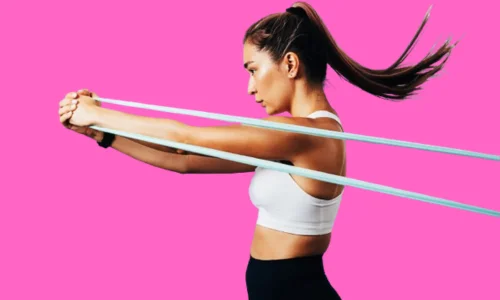
Start body strength with a 30 day walking and full body resistance band workout plan for beginners. Do bicep curls, bend over reverse fly, overhead press, horizontal rear delt flys, and seated rows for upper body workout. Start lower body workout with standing side taps, standing glute kickbacks, squat jacks, and side lying hip abduction.

So, are you intimidated by strength training on full time gyms? You are not alone here! I’m also exhausted due to the scary thoughts of weights and dumbbells. That’s why I love to recommend an easy to perform resistance band workout plan for beginners.

In this guide, I’m going to uncover why resistance band workout plans for beginners are my best option. I’ll also cover the top easy exercises that you can do with the help of a resistance band.

So, follow this step-by-step guide to level up your muscle strength. Anytime and anywhere!

Let’s begin!

resistance band banner

Do resistance band workout plans for beginners really work?

Yes, resistance band workout plan for beginners really work due to the constant tension when you start exercising with it. You experience constant tension throughout the entire movement while doing exercise, unlike dumbbells and weights.

Let’s take an example here. Performing a bicep curl with a resistance band introduces tension both during the upward curl and the downward return to the starting position. In contrast, using dumbbells provides resistance solely during the upward phase, generating strength through that specific resistance on the biceps.

Moreover, targeting smaller muscles becomes more accessible with resistance bands. Unlike weights or bodyweight exercises where larger muscles often dominate, resistance bands provide a safer option for rehabilitation or physical therapy. In fact, they facilitate the activation of both smaller and larger muscles and ensure a comprehensive approach to muscle engagement.

That’s a plus point of a resistance band workout plan for beginners!

Resistance Band Workout Plan for Beginners: Top Easy Exercises

As winter fades away, lots of us feel the urge to get up and be active. Spring’s nice weather motivates us to go for walks, and we start craving fresh fruits and veggies instead of heavy foods. So, it’s time to say goodbye to couch hibernation and starting the fitness journey of workout plan for beginners.

Here we go!

Full Body Workout Plan with Resistance Bands:

You can use a resistance band workout plan for beginners to engage every major muscle group – precisely what this 30-day routine is designed to accomplish! I’ll focus on strengthening your upper body, lower body, and core. Also, I’ll incorporate a cardio element for a comprehensive workout experience.

It sounds like a great plan, right?

1. Upper Body Workout With Resistance Bands:

Upper Body Workout With Resistance Bands

In the upper body exercises, you’ll employ a resistance band equipped with handles. Here are the exercise I love to do with upper body workout plan with resistance band:

a) Bicep Curls:

Grasp a handle in each hand, standing with feet hips-width apart. Place the band’s center under both feet, knees slightly bent, and engage your core.

Maintain close alignment of your upper arms as you pull the band towards your shoulders in a bicep curl, then return to the initial position. Repeat this sequence 10 times.

b) Bent Over Reverse Fly:

First of all, grip one handle in each hand. Take a step forward with one foot while moving the other back into a high lunge position. Secure the band under your front foot.

After this, bend the front knee nearly at a 90-degree angle and maintain a slight bend in the back knee. Hinge at the waist, leaning forward at a 45-degree angle, and don’t forget to extend your arms toward the floor.

Then, squeeze your shoulder blades, pulling the band outward to shoulder height. Return to the initial stance and replicate this movement 10 times.

c) Overhead Press:

You can begin this exercise in the same stance as the previous exercise – one foot forward atop the band and the other foot positioned back. Then, adjust your grip by taking hold of the handles from beneath with palms facing away from you.

Try to maintain handles at shoulder height. Extend both arms fully, pressing the band overhead. In the end, return to the initial position and iterate this sequence 10 times.

d) Horizontal rear delt flys:

For doing horizontal rear delt flys, clasp the tubing of the band with both hands. Then, position it in front of your chest and hands must be spaced as wide as your shoulders.

It will allow the handles to hang. Ensure slight tension in the band without any slack. With shoulders down, engage your upper back as you extend your arms straight out to the sides.

However, make sure you are surpassing shoulder width. Return to the center and replicate this movement 10 times.

e) Seated Row:

Sit on the floor with legs extended and back straight. Secure the resistance band around the bottom of your feet, gripping one handle in each hand.

Maintain proper posture as you pull the band ends toward your chest. Repeat this motion 10 times. That’s all!

So, these are a few resistance band workout plan for beginners. If you want to start your fitness journey with the help of resistance bands, start with these upper body workout plans.

2. Lower Body Workout With Resistance Bands:

Lower Body Workout With Resistance Bands

Lower body exercises will involve the use of a resistance band loop. And, here are a few my most favorite and important resistance band workout plan for beginners:

a) Standing side taps:

Stand with feet hip-width apart, placing the resistance band around your ankles. Gently bend your knees, shifting weight onto your right leg, pressing through the heel.

Interestingly, it’s time to lift your left leg straight out to the side, tapping the toe on the ground. Return to center and repeat this movement 10 times before switching to the right side.

b) Standing glute kickbacks:

Position yourself with feet hip-width apart and the resistance band encircling your ankles, with a slight knee bend. Then, shift your weight onto your right leg.

Extend your left leg straight back, reaching through the heel. Return to the center and perform this sequence 10 times before switching to the opposite side.

c) Squat jacks:

This is a move that engage both glutes and legs with a fusion of squat and jumping jack. Position the resistance band above your knees.

Start in a slight squat with feet hip-width apart, then jump both feet outward and bring them back together. It’s obligatory to perform this dynamic sequence 10 times.

d) Side Lying Hip Abduction:

Lie on your right side with your right hip and leg down, and stack your left leg on top. Grab that resistance band, wrap it just above your knees, and let’s get those knees apart.

Lift your upper leg towards the ceiling, squeeze those glutes, hold for a sec, and then bring the left leg back to meet the right. Give it a go 10 times before flipping over to the other side!

e) Glute Bridge:

Alright, let’s lie on our backs, knees bent, and feet flat on the floor. Grab that resistance band, wrap it around both legs above the knees. Now, lift those hips up towards the ceiling, keeping heels on the ground.

Squeeze those glutes and press those knees outward to keep the band engaged. Back to the starting position and give it another round—10 times, you got this!

This type of resistance band workout plan for beginners is helpful for reshaping their glutes and relieving back pain.

So, these were a few of my recommended resistance band workout plan for beginners, especially for lower body workout. I hope you like them while doing it in your home on your mat!

3. Core and Cardio Workout:

Core and Cardio Workout

I told you before that I’ll cover core and cardio workout with the help of resistance bands. It’s time to unfold these workouts.

So, here we go!

a) Core Open and Close:

Time to hit the floor! Lie on your back, wrap that resistance band around your upper thighs. Reach those legs up to the ceiling and lower down to a 45-degree angle.

Now, open those legs wide, feel those outer hips working against the band, and then bring them back together. Give it a go 10 times, keep that naval pulled in, and press that low back into the ground. You’re on fire!

b) Standing Crunch:

Stand with feet hip-width apart and grab your resistance band. Then, fold it in half and extend it straight in front of you with your arms straight.

Bring your right knee toward your left hand until it touches the band. After this, return to the start and switch sides. Repeat this 10 times on each side. Keep that rhythm going!

c) Lying leg raise:

Get comfy on the floor, wrap that resistance band around your ankles. Hands on the floor or under your butt, legs straight.

Lift one leg up, keeping the other grounded. Time to alternate, kick up and down. Go for it 10 times on each side. Feel that burn!

d) Skating Squats:

Stand in your band. Your feet hip-width apart while gripping a handle in each hand. Drop into a half or full squat. As you stand, shift weight to your right leg.

Along with it, extend the left leg sideways against the band’s resistance. Back to the squat position, then repeat on the other side. Go for as many as you can in one minute. Feel that burn!

e) Opposition Cardio Jacks:

Switch up your jumping jacks! Then? Fold the band in half while holding a side in each hand. Keep your hands in front as you pull the bands apart with feet together. 

Jump feet apart, bringing hands back together—a twist on the classic move. Go as fast as you can for one minute. Let’s get that heart pumping with this move from resistance band workout plan for beginners.

Here is a warm welcoming YouTube video where male and female trainers are giving a demo of all of the above-mentioned moves. You can perform these moves within 30 minutes per day.

Can beginners build muscles with resistance bands?

Yes! I mean, why not? Beginners or any pro athlete or gym guy can build muscles with resistance bands. In fact, resistance bands provide a controlled and adaptable resistance, making them suitable for various fitness levels.

According to reviews on Quora Digest from many muscle builders, incorporating resistance band exercises into your routine helps target different muscle groups. Also, these bands gradually build strength and promote overall fitness.

Furthermore, resistance bands are easy to use, less expensive, and portable. That’s why these tools are a great choice, especially for beginners, to begin building muscles. OH SNAP!

Tips to Consider Before Starting Resistance Band Workout Plan for Beginners:

Here are a few useful tips before moving towards resistance band workout plan for beginners:

1. Choose the Right Resistance:

All resistance bands are not for everyone!

You can start with a light resistance band and gradually progress to heavier ones as your strength improves. It’s crucial to challenge yourself while maintaining proper form.

2. Focus on Form:

Form/shape properly!

Prioritize proper form over the number of repetitions. Interesting, correct form prevents injuries and ensures that you’re effectively targeting the intended muscles.

3. Warm-Up Adequately:

Start with a warm up exercise!

Always warm up before starting your resistance band workout. This helps increase blood flow, flexibility, and prepares your muscles for the upcoming exercises.

4. Include Variety:

Variety gives you flexibility!

Incorporate a variety of exercises to target different muscle groups while adapting resistance band workout plan for beginners. This diversity ensures a balanced and well-rounded workout routine.

5. Anchor Securely:

Keep your safety in the first place!

When anchoring the band, ensure it’s secure and won’t slip or snap. This is especially important for exercises that involve pulling or stretching the band.

6. Gradual Progression:

Slow and steady wins the race!

Progress gradually by increasing resistance or intensity over time. This approach allows your muscles to adapt and grow stronger without risking overexertion.

7. Listen to Your Body:

Your body is your second brain!

Pay attention to your body’s signals. If you feel pain beyond normal muscle fatigue, stop the exercise. Consult a professional if pain persists.

8. Breathe Properly:

Breathe healthy oxygen and be healthy!

Maintain a consistent breathing pattern throughout your workout. You should exhale during the exertion phase and inhale during the relaxation phase to optimize oxygen flow.

9. Rest and Recovery:

Rest is best!

Allow adequate time for rest and recovery between resistance band workouts. This helps prevent overtraining and supports muscle repair.

10. Stay Consistent:

Consistency is key.

Aim for regular workouts, even if they are shorter. Establishing a routine makes it easier to stick with your fitness goals.

Remember, it’s essential to consult with a fitness professional or healthcare provider before starting a new exercise program. More specifically if you have any health concerns or conditions, consult with your doctor. Enjoy your journey into resistance band training!

FAQ’s

1. How long should we workout with a resistance band?

“How long should a resistance band workout plan for beginners be?” depends on your fitness level. However, 10 minutes every evening are enough if you are just starting your journey. This routine can constitute your entire workout or serve as a component within a more extensive exercise session.

Each session outlined in this month’s plan (mentioned above) is designed to last approximately 10 minutes. Feel free to add or subtract the number of repetitions to align with your schedule. It will give you more flexibility in adjusting the duration that suits you very well!

2. Can I do the resistance band workout plan everyday?

It’s beneficial to alternate between working the arms and legs on consecutive days using resistance bands. However, I advise against targeting the same body parts two days in a row with resistance bands.

3. Who are resistance band workouts for?

Resistance band workout plan for beginners are for the following individuals:

  • Individuals seeking improved balance and coordination.
  • Travelers who require a compact fitness tool.
  • Home-based exercisers looking for an affordable and space-efficient equipment option.

To be honest, resistance band workout plan for beginners are not for those who feel uncoordinated. The reason is simple – the resistance band workouts are tougher than dumbbells and weights exercises. Thus, don’t frustrate yourself and your body if you are uncomfortable with resistance band workout plan for beginners.

4. How many times should I do resistance band workout?

If you are interested (or already doing) in resistance band workout plan for beginners, I would like to recommend you to do these moves 6 days a week. If you are a super busy type of person, or don’t feel like doing it regularly, stick to at least 4 days for doing workout with resistance bands. That would be enough for you!

5. Is a 5kg resistance band enough?

Yes. A 5kg resistance band is absolutely enough for beginners. It’s also good for those exercisers who are much more focused on light toning workouts.

Final Story:

Our guide, “The resistance band workout plan for beginners” provides a comprehensive and accessible introduction to strength training. With a focus on easy-to-follow exercises, proper form, and gradual progression, this plan is tailored for those new to resistance bands. By incorporating a variety of exercises targeting different muscle groups, users can build strength, flexibility, and tone effectively.

The emphasis on warm-up, proper breathing, and listening to one’s body enhances the safety and effectiveness of the workout. However, individuals are advised to consult with fitness professionals or healthcare providers before starting to ensure suitability. Overall, this plan offers a solid foundation for beginners embarking on their resistance band fitness journey.

What is your favorite move that helps you and motivates you to never place a full stop on your exercising journey? Share your experience with me and with your fellows!

Happy resistance band workout plan for beginners!

How to Achieve and Maintain a Slim Fit Lifestyle: A Comprehensive Guide

How to Achieve and Maintain a Slim Fit Lifestyle

In today’s fast-paced world, maintaining a slim and fit physique has become a significant aspiration for many individuals. However, with the abundance of conflicting information and fad diets, achieving a sustainable slim fit lifestyle can be challenging. This comprehensive guide aims to provide you with evidence-based strategies and practical tips to help you attain and maintain a slim and healthy body.

In this article, I will describe to you 7 sections on how to achieve and maintain a slim fit lifestyle. Let’s move on and start your fitness journey.

Section 1: Understanding the Importance of a Slim Fit Lifestyle

In this section, we explored the significance of adopting a slim fit lifestyle, focusing on its numerous benefits and the risks associated with excess weight and obesity. We began by highlighting the positive impact of a slim fit body on overall health and well-being. From increased energy levels and improved self-confidence to reduced risk of chronic diseases, the benefits of maintaining a healthy weight are extensive.

1.1 The Benefits of Being Slim Fit 

Being slim fit goes beyond just aesthetics; it offers a myriad of benefits that positively impact both physical and mental well-being. Here are some of the key advantages of maintaining a slim fit lifestyle:

  • Improved Cardiovascular Health: Being at a healthy weight reduces the strain on the heart and blood vessels, lowering the risk of heart disease, high blood pressure, and other cardiovascular conditions.
  • Reduced Risk of Chronic Diseases: Slim fit individuals have a decreased likelihood of developing type 2 diabetes, certain types of cancer, and metabolic disorders, such as insulin resistance and fatty liver disease.
  • Enhanced Physical Endurance: Carrying excess weight can lead to fatigue and reduced stamina. Achieving a slim fit body improves endurance and allows for increased participation in physical activities.
  • Joint Health and Mobility: Excess weight can put stress on joints, leading to conditions like osteoarthritis. Maintaining a healthy weight can alleviate joint pain and improve overall mobility.
  • Better Sleep Quality: Slim fit individuals often experience improved sleep patterns, as weight loss positively impacts sleep apnea and other sleep-related issues.
  • Enhanced Mental Health: A balanced diet and regular exercise release endorphins, the “feel-good” hormones, reducing stress, anxiety, and symptoms of depression.
  • Increased Confidence and Self-esteem: Feeling good about one’s appearance and overall health can boost self-confidence and improve self-esteem.
  • Improved Digestive Health: A slim fit lifestyle often involves consuming a balanced diet rich in fiber, promoting better digestion and regular bowel movements.
  • Healthy Aging: Maintaining a slim fit body throughout life can contribute to graceful aging, reducing the risk of age-related health conditions.
  • Positive Social and Professional Impact: A healthy and confident demeanor can positively impact social interactions and career prospects.
  • Sustainable Energy Levels: A balanced diet and regular exercise help stabilize blood sugar levels, providing sustained energy throughout the day.
  • Role Model for Others: Embracing a slim fit lifestyle can inspire family and friends to prioritize health and fitness, creating a ripple effect of positive change.

It is essential to remember that each individual’s journey towards being slim fit is unique. A focus on overall health, rather than solely on appearance, leads to more sustainable and satisfying results. Always consult with healthcare professionals before embarking on any weight loss or fitness plan to ensure safety and efficacy.

✔✔ Best Fold up Treadmill for Seniors: A Complete Review | Keep Fit Health

1.2 The Risks of Excess Weight and Obesity 

Excess weight and obesity pose significant health risks, impacting various body systems and increasing the likelihood of developing numerous chronic conditions. Understanding these risks is crucial in motivating individuals to adopt a slim fit lifestyle. Here are some of the most prevalent health risks associated with excess weight and obesity:

  • Cardiovascular Diseases: Obesity is a major risk factor for heart disease, including coronary artery disease, heart attacks, and strokes. Excess weight can lead to high blood pressure, high cholesterol levels, and atherosclerosis (hardening of the arteries).
  • Type 2 Diabetes: Obesity is strongly linked to insulin resistance, a condition where cells do not respond adequately to insulin. This leads to elevated blood sugar levels, eventually causing type 2 diabetes.
  • Metabolic Syndrome: A combination of obesity, high blood pressure, abnormal cholesterol levels, and insulin resistance, metabolic syndrome significantly increases the risk of heart disease, stroke, and diabetes.
  • Respiratory Issues: Obese individuals are at a higher risk of respiratory problems, such as sleep apnea, asthma, and obesity hypoventilation syndrome, which can lead to reduced lung function and decreased oxygen levels in the blood.
  • Fatty Liver Disease: Excess weight can cause fat to accumulate in the liver, leading to non-alcoholic fatty liver disease (NAFLD), which may progress to more severe conditions like non-alcoholic steatohepatitis (NASH) and cirrhosis.
  • Gastrointestinal Disorders: Obesity is associated with an increased risk of developing gastroesophageal reflux disease (GERD), gallbladder disease, and certain types of cancer, such as colorectal, pancreatic, and esophageal cancer.
  • Musculoskeletal Problems: Carrying excess weight puts additional stress on bones and joints, increasing the risk of osteoarthritis and chronic back pain.
  • Reproductive Health Issues: Obesity can lead to hormonal imbalances, menstrual irregularities, infertility, and complications during pregnancy and childbirth.
  • Mental Health Disorders: Obese individuals may experience depression, anxiety, and low self-esteem due to societal stigma and body image issues.
  • Increased Mortality: Obesity is associated with a higher risk of premature death, primarily due to the aforementioned health conditions.
  • Reduced Quality of Life: Obesity can limit physical mobility, affect social interactions, and lead to a diminished overall quality of life.

It’s important to note that these risks are not exclusive to extreme obesity; even being moderately overweight can have adverse health effects. Fortunately, adopting a slim fit lifestyle through proper nutrition, regular exercise, and overall healthy habits can significantly reduce the risks associated with excess weight. If you are concerned about your weight and health, consult a healthcare professional who can provide personalized guidance and support. Remember that small, sustainable changes in lifestyle can lead to substantial improvements in health and well-being over time.

1.3 Embracing Body Positivity and Realistic Goals

Embracing body positivity and setting realistic goals are essential components of a successful and sustainable slim fit journey. It’s crucial to foster a positive relationship with your body and cultivate a mindset that prioritizes health, self-acceptance, and self-compassion. Here’s how you can do it:

  • Accepting and Appreciating Your Body: Recognize that bodies come in all shapes and sizes, and there is no one “ideal” body type. Embrace your unique features and focus on the things your body can do rather than its appearance alone.
  • Avoiding Comparison: Refrain from comparing yourself to others, especially images presented in media that often promote unrealistic beauty standards. Social media can be a particular source of unrealistic comparisons, so curate your feed to include diverse body types and positive influences.
  • Setting Realistic Goals: Shift the focus from quick fixes and extreme weight loss to setting achievable and sustainable goals. Aim for gradual progress, as slow and steady changes are more likely to lead to long-term success.
  • Celebrating Non-Scale Victories: Acknowledge and celebrate all the positive changes that occur during your slim fit journey, regardless of the numbers on the scale. These victories might include increased energy, improved mood, better sleep, or increased physical fitness.
  • Focusing on Health, Not Just Appearance: Rather than solely concentrating on achieving a certain body size or shape, prioritize overall health and well-being. This includes making nutritious food choices, staying active, managing stress, and getting enough rest.
  • Practicing Mindful Eating: Listen to your body’s hunger and fullness cues, and eat to nourish your body rather than using food as a coping mechanism for emotions.
  • Finding Joy in Exercise: Engage in physical activities that you enjoy and that bring you pleasure. This can be anything from dancing, hiking, swimming, to yoga or team sports. Exercise should be a celebration of what your body can do, not punishment for what you ate.
  • Seeking Supportive Communities: Surround yourself with supportive friends, family, or online communities that promote body positivity and a healthy approach to wellness.
  • Challenging Negative Thoughts: When negative thoughts about your body arise, challenge them with positive affirmations and focus on your strengths and accomplishments.
  • Practicing Self-Compassion: Be kind to yourself, especially during challenging times. Understand that setbacks are a natural part of any journey, and treat yourself with the same compassion you would offer a friend.

Remember, a slim fit lifestyle is not about achieving perfection but rather about nurturing a positive relationship with your body and prioritizing your overall well-being. By embracing body positivity and setting realistic goals, you can create a sustainable and empowering path towards a healthy and fulfilling life.

Section 2: Creating a Balanced Diet Plan

In this section, we delve into the importance of a balanced diet plan in achieving a slim fit lifestyle. A balanced diet provides the essential nutrients needed for optimal health and supports weight management goals. We explore the concept of caloric intake and energy balance as the foundation of a successful diet plan.

Understanding caloric intake is crucial for maintaining a healthy weight. We discuss how calories are units of energy derived from food, and to achieve weight loss, it is essential to create a calorie deficit by consuming fewer calories than the body expends. However, extreme calorie restriction is discouraged, as it can lead to nutrient deficiencies and slow down metabolism.

2.1 Caloric Intake and Energy Balance 

Caloric intake and energy balance are fundamental principles when it comes to achieving and maintaining a slim fit lifestyle. Understanding the relationship between the number of calories consumed and expended is essential for effective weight management. Here’s a concise explanation:

Caloric Intake:

Calories are units of energy derived from the food and beverages we consume. When we eat, our bodies break down the nutrients in the food to release energy. The number of calories in a particular food item varies based on its macronutrient composition—carbohydrates and proteins contain about 4 calories per gram, while fats provide around 9 calories per gram. Additionally, alcohol contributes 7 calories per gram.

To maintain a slim fit body, it’s important to be mindful of your caloric intake. Consuming more calories than your body needs can lead to weight gain, while consuming fewer calories than required can result in weight loss. However, extreme calorie restriction is not sustainable or healthy in the long term.

Energy Balance:

Energy balance refers to the relationship between the calories you consume (through food and beverages) and the calories you expend (through various daily activities, including resting metabolic rate and physical activity). When you consume the same number of calories that your body expends, you are in a state of energy balance, and your weight remains stable.

To lose weight, you need to create a calorie deficit by either reducing your caloric intake or increasing your physical activity. Conversely, to gain weight, you must consume more calories than your body burns.

Creating a Sustainable Energy Balance:

The key to achieving a sustainable energy balance is to strike a balance between caloric intake and physical activity. Crash diets or extreme exercise regimens are not healthy or maintainable approaches. Instead, focus on the following tips:

  • Calculate your Basal Metabolic Rate (BMR): This is the number of calories your body needs at rest to maintain essential functions. Several online calculators can help you determine your BMR based on your age, weight, height, and activity level.
  • Set Realistic Goals: Aim for a moderate calorie deficit if you want to lose weight. A reduction of 250 to 500 calories per day can lead to steady and healthy weight loss of about 0.5 to 1 pound per week.
  • Combine Diet and Exercise: Incorporate regular physical activity into your routine to increase your energy expenditure. This can include cardio exercises, strength training, and other activities you enjoy.
  • Eat Nutrient-Dense Foods: Opt for foods that are rich in nutrients and lower in calories, such as fruits, vegetables, lean proteins, and whole grains. Avoid empty-calorie foods and sugary beverages.
  • Monitor Your Progress: Keep track of your food intake and physical activity to stay accountable and make adjustments as needed.

By understanding caloric intake and energy balance, you can make informed choices to achieve your slim fit goals in a healthy, sustainable, and balanced manner. Always consult with a healthcare or nutrition professional to create a personalized plan that suits your unique needs and lifestyle.

2.2 Understanding Macronutrients and Micronutrients 

Macronutrients and micronutrients are essential components of our diet that play distinct roles in supporting various bodily functions. Understanding the importance of these nutrients is crucial for maintaining a slim fit lifestyle and overall well-being.

Macronutrients:

Macronutrients are nutrients required by the body in large quantities to provide energy and support essential physiological processes. There are three main macronutrients:

  • Carbohydrates: Carbohydrates are the primary source of energy for the body. They are broken down into glucose, which fuels the brain, muscles, and other organs. Whole grains, fruits, vegetables, and legumes are excellent sources of complex carbohydrates that also provide fiber, promoting digestive health and satiety.
  • Proteins: Proteins are essential for tissue repair, muscle maintenance, and the production of enzymes and hormones. Sources of lean protein include poultry, fish, beans, lentils, tofu, nuts, and seeds.
  • Fats: Fats play a critical role in protecting organs, absorbing fat-soluble vitamins (A, D, E, and K), and providing a concentrated source of energy. Healthy fats, such as those found in avocados, nuts, seeds, and olive oil, are beneficial for heart health and overall well-being.

Micronutrients:

Micronutrients are nutrients required by the body in smaller quantities, but they are equally vital for various physiological processes. Micronutrients include vitamins and minerals:

  • Vitamins: Vitamins are organic compounds that assist in metabolic reactions and support the immune system. They are categorized as water-soluble (e.g., vitamin C and B-complex vitamins) and fat-soluble (e.g., vitamins A, D, E, and K).
  • Minerals: Minerals are inorganic elements necessary for bone health, nerve function, fluid balance, and enzymatic activities. Important minerals include calcium, iron, magnesium, zinc, and potassium.

Importance of a Balanced Diet:

A balanced diet incorporates an appropriate ratio of macronutrients and an adequate supply of micronutrients. Each nutrient group plays a unique role in maintaining overall health, promoting a slim fit body, and preventing nutritional deficiencies.

• Carbohydrates provide energy for physical activity and brain function. 

• Proteins support muscle growth, repair, and immune function. 

• Fats aid in hormone regulation and the absorption of fat-soluble vitamins. 

• Vitamins and minerals are essential for numerous bodily processes, including bone health, immune support, and antioxidant defense.

By consuming a diverse range of whole, unprocessed foods, you can ensure you obtain all the necessary macronutrients and micronutrients. Avoid relying on heavily processed or fast foods, as they often lack essential nutrients and may contain unhealthy additives.

Remember that individual nutrient needs vary based on age, gender, activity level, and health status. Consulting with a registered dietitian or nutritionist can help you create a personalized nutrition plan that supports your specific goals and lifestyle.

2.3 The Importance of Portion Control 

Portion control plays a vital role in achieving and maintaining a slim fit lifestyle. It involves managing the amount of food consumed during meals and snacks, ensuring that calorie intake aligns with individual goals. The significance of portion control lies in several key factors:

  • Calorie Management: Controlling portion sizes helps regulate calorie intake, which is crucial for weight management. Overeating, even with healthy foods, can lead to consuming more calories than the body needs, hindering weight loss efforts.
  • Mindful Eating: Practicing portion control encourages mindful eating. By being more conscious of portion sizes, individuals are more likely to savor the flavors, textures, and satiety of their meals.
  • Preventing Overindulgence: Larger portions can lead to overindulgence, which may contribute to feeling sluggish and uncomfortable after meals.
  • Balanced Nutrition: Portion control allows for a balanced intake of macronutrients and micronutrients. By consuming appropriate portions of proteins, carbohydrates, fats, and essential vitamins and minerals, overall nutrition is optimized.
  • Adherence to Goals: Maintaining portion control supports adherence to weight loss or fitness goals, as it provides a structured and sustainable approach to eating.

Tips for Practicing Portion Control:

  • Use Smaller Plates: Opt for smaller plates and bowls to visually reduce portion sizes and avoid overfilling.
  • Be Mindful of Serving Sizes: Familiarize yourself with appropriate serving sizes for different foods, using measuring cups or comparing to everyday objects as visual references.
  • Control Snacking: Pre-portion snacks into smaller containers to avoid mindlessly eating from larger bags or containers.
  • Eat Slowly: Chew food thoroughly and eat slowly to allow your body to recognize feelings of fullness before overeating.
  • Practice the Plate Method: Divide your plate into sections for proteins, vegetables, and carbohydrates, ensuring a balanced meal.
  • Avoid Eating Straight from Packaging: Serve food onto a plate or bowl instead of eating directly from the package to prevent overeating.
  • Listen to Hunger Cues: Pay attention to hunger and fullness cues, stopping eating when you feel satisfied rather than overly full.
  • Limit Restaurant Portions: When dining out, consider sharing entrees or packing half for later to avoid oversized restaurant portions.

By incorporating portion control into daily eating habits, individuals can strike a balance between enjoying their favorite foods and achieving their slim fit goals. It enables a sustainable and enjoyable approach to eating, supporting overall health and well-being.

2.4 Hydration for Weight Management 

Hydration plays a critical role in weight management and overall health. Staying adequately hydrated is essential for supporting various bodily functions and can significantly impact the success of a slim fit lifestyle. Here’s why hydration is crucial for weight management:

  • Appetite Regulation: Drinking water before meals can help suppress appetite, leading to reduced calorie intake and supporting weight loss efforts.
  • Metabolism Support: Proper hydration aids in maintaining an efficient metabolism, allowing the body to burn calories more effectively.
  • Enhanced Exercise Performance: Being well-hydrated improves exercise performance, enabling you to engage in more intense workouts and burn more calories.
  • Preventing Overeating: Sometimes, feelings of hunger may be mistaken for thirst. Staying hydrated can help avoid unnecessary snacking and overeating.
  • Water as a Zero-Calorie Beverage: Opting for water over sugary beverages reduces calorie consumption and supports weight management.

Tips for Ensuring Adequate Hydration:

  • Drink Water Throughout the Day: Aim to drink water regularly, even if you don’t feel thirsty. Carry a reusable water bottle to stay hydrated on the go.
  • Monitor Urine Color: Check your urine color to gauge hydration levels. Light yellow or pale straw-colored urine generally indicates proper hydration.
  • Infuse Water with Flavor: Add slices of fruits, cucumber, or herbs like mint to water to enhance the taste and encourage increased water intake.
  • Limit Sugary Beverages: Reduce or eliminate sugary drinks like sodas, fruit juices, and energy drinks, as they contribute to excessive calorie intake.
  • Consume Water-Rich Foods: Incorporate water-rich foods like fruits and vegetables into your diet, as they contribute to overall hydration.
  • Hydrate Before and After Exercise: Drink water before, during, and after workouts to stay hydrated and support exercise performance.
  • Set Reminders: Use phone reminders or apps to prompt yourself to drink water regularly, especially if you have a busy schedule.

Remember, individual hydration needs vary based on factors such as activity level, climate, and personal health conditions. Listen to your body’s thirst cues and make a conscious effort to stay properly hydrated throughout the day. Adequate hydration is not only essential for weight management but also for overall well-being and optimum physical performance.

2.5 Incorporating Superfoods and Nutrient-Dense Foods

Superfoods and nutrient-dense foods are powerhouses of essential vitamins, minerals, antioxidants, and other nutrients, making them valuable additions to a slim fit diet. In this section, we explore the benefits of incorporating these nutrient-rich options into meals. Key points include:

  • Optimal Nutrition: Superfoods such as leafy greens, berries, nuts, seeds, and fatty fish are packed with nutrients that support overall health and well-being.
  • Aiding Weight Management: Nutrient-dense foods provide satiety and nourishment, helping to control hunger and reduce the likelihood of overeating.
  • Boosting Metabolism: Certain superfoods, like green tea and chili peppers, may have metabolism-boosting properties, aiding in weight loss efforts.
  • Reducing Inflammation: Many superfoods contain anti-inflammatory compounds that promote a healthier body and may support weight management.
  • Enhancing Immune Function: The abundance of vitamins and antioxidants in nutrient-dense foods strengthens the immune system, aiding in overall health.
  • Diversifying Nutrient Intake: Incorporating a variety of superfoods ensures a well-rounded diet with a wide array of nutrients.
  • Promoting Gut Health: Some superfoods, like yogurt and fermented foods, support gut health, which is vital for digestion and overall well-being.

Tips for Including Superfoods and Nutrient-Dense Foods:

  • Smoothies and Salads: Add berries, leafy greens, chia seeds, and nuts to smoothies and salads for a nutrient-packed boost.
  • Healthy Snacks: Replace processed snacks with nutrient-dense alternatives like raw vegetables, fruits, and mixed nuts.
  • Plant-Based Proteins: Incorporate plant-based superfoods like quinoa, lentils, and tofu as protein sources in meals.
  • Superfood Bowls: Create nutritious and colorful bowls featuring ingredients like avocado, sweet potatoes, and lean proteins.
  • Herbs and Spices: Use herbs and spices like turmeric, ginger, and garlic to add flavor and health benefits to dishes.
  • Explore Exotic Superfoods: Experiment with lesser-known superfoods like acai berries, goji berries, and spirulina for new flavors and nutrients.
  • Read Labels: When purchasing packaged foods, check labels for added sugars and unhealthy fats, and choose options with minimal additives.

By incorporating superfoods and nutrient-dense foods into daily meals, individuals can optimize their nutrient intake and support their slim fit goals. A diet rich in these foods not only aids in weight management but also contributes to overall health, vitality, and well-being.

Section 3: Building an Effective Exercise Routine

In this section, we explore the key components of constructing an effective exercise routine that aligns with slim fit goals. We discuss the importance of including a combination of cardiovascular exercises, strength training, and flexibility exercises to achieve overall fitness and weight management. Additionally, we emphasize the significance of progression and consistency in exercise, along with tips for staying motivated and overcoming obstacles. This section provides readers with practical guidance on how to create a well-balanced exercise plan that supports their slim fit journey and promotes a healthier and more active lifestyle.

3.1 The Role of Exercise in Weight Loss and Fitness 

Exercise plays a crucial role in both weight loss and overall fitness. It is an essential component of a slim fit lifestyle, working hand in hand with a balanced diet to achieve sustainable and long-term health goals. Here’s an overview of the role of exercise in weight loss and fitness:

Weight Loss:

  • Caloric Expenditure: Engaging in physical activity burns calories, creating a calorie deficit when combined with a balanced diet. This deficit leads to weight loss as the body starts using stored fat as an energy source.
  • Boosting Metabolism: Regular exercise increases metabolic rate, which means your body continues to burn calories even after the workout is over. This effect is known as the “afterburn” or excess post-exercise oxygen consumption (EPOC).
  • Preserving Lean Muscle: During weight loss, there is a risk of losing both fat and muscle. Incorporating strength training into your exercise routine helps preserve lean muscle mass, promoting a more toned and defined physique.
  • Appetite Regulation: Exercise can help regulate appetite hormones, potentially reducing overeating and improving portion control.
  • Enhancing Fat Burning: Certain types of exercise, such as high-intensity interval training (HIIT), have been shown to be particularly effective in burning fat and improving cardiovascular health.

Fitness:

  • Cardiovascular Health: Aerobic exercises like running, cycling, swimming, and dancing improve cardiovascular fitness, enhancing the heart’s efficiency and lowering the risk of heart disease.
  • Strength and Muscle Endurance: Resistance training, weight lifting, and bodyweight exercises help build strength and improve muscle endurance, making daily activities easier and reducing the risk of injuries.
  • Flexibility and Balance: Activities like yoga and Pilates improve flexibility and balance, reducing the likelihood of falls and enhancing overall mobility.
  • Bone Health: Weight-bearing exercises, such as walking and hiking, promote bone density, reducing the risk of osteoporosis and fractures.
  • Mental Health: Exercise has profound effects on mental well-being, reducing stress, anxiety, and symptoms of depression. It promotes the release of endorphins, which are natural mood boosters.

Combining Weight Loss and Fitness Goals:

To maximize the benefits of exercise for weight loss and fitness, it’s important to incorporate a well-rounded workout routine that includes both cardiovascular exercises and strength training. Additionally:

  • Gradual Progression: Start at a comfortable fitness level and gradually increase the intensity, duration, and complexity of your workouts to avoid injury and burnout.
  • Consistency: Regular exercise is key. Aim for at least 150 minutes of moderate-intensity aerobic activity or 75 minutes of vigorous-intensity aerobic activity per week, along with muscle-strengthening activities on two or more days per week.
  • Variety: Mix up your workouts to prevent boredom and target different muscle groups. Try different activities, such as swimming, dancing, cycling, or team sports.
  • Listen to Your Body: Pay attention to how your body responds to exercise, and rest and recover when needed. Overtraining can lead to injuries and hinder progress.
  • Combine with Nutrition: Remember that exercise complements a balanced diet for weight loss. Fuel your body with nutrient-dense foods to support your fitness efforts.

By understanding the role of exercise in weight loss and fitness and incorporating it into your daily routine, you can achieve a slim fit body while enhancing your overall health and well-being. Always consult with a healthcare professional before starting a new exercise program, especially if you have any pre-existing health conditions.

3.2 Cardiovascular Exercises for Fat Burning 

Cardiovascular exercises, also known as aerobic exercises, are highly effective for fat burning and improving cardiovascular health. These exercises elevate your heart rate, increasing oxygen consumption and calorie expenditure, which can aid in weight loss and contribute to a slim fit lifestyle. Here are some popular and effective cardiovascular exercises for fat burning:

  • Running or Jogging: Running and jogging are excellent calorie-burning activities that can be done outdoors or on a treadmill. They engage multiple muscle groups and are great for boosting cardiovascular fitness.
  • Cycling: Whether on a stationary bike or a road bike, cycling is a low-impact exercise that targets the lower body and helps burn calories.
  • Jump Rope: Jumping rope is a simple yet highly effective exercise for fat burning. It engages the whole body and can be done almost anywhere.
  • Dancing: Dancing is a fun and dynamic way to burn calories. Join a dance class or simply dance to your favorite music at home.
  • Swimming: Swimming is a full-body workout that is easy on the joints. It engages various muscle groups and can help burn a significant number of calories.
  • Rowing: Using a rowing machine or rowing in a boat is an excellent total-body workout that can help improve cardiovascular endurance and burn fat.
  • High-Intensity Interval Training (HIIT): HIIT involves short bursts of intense exercise followed by brief periods of rest or lower-intensity exercise. It is a time-efficient way to burn calories and boost metabolism.
  • Stair Climbing: Climbing stairs is a great way to engage the lower body and increase your heart rate. You can use stairs at home, a staircase in a building, or a stair machine at the gym.
  • Kickboxing: Kickboxing workouts combine cardiovascular exercises with strength training, making them effective for fat burning and overall fitness.
  • Hiking: Hiking in nature not only provides a great cardiovascular workout but also offers mental relaxation and stress relief.

Tips for Effective Fat Burning:

  • Gradually Increase Intensity: Start at a comfortable pace and gradually increase the intensity of your workouts to challenge your body and burn more calories.
  • Include Interval Training: Incorporate intervals of higher intensity during your cardio workouts to increase calorie burn and improve cardiovascular fitness.
  • Maintain Proper Form: Pay attention to your posture and form to avoid injuries and maximize the effectiveness of the exercises.
  • Combine with Strength Training: Incorporate regular strength training exercises to build muscle mass, which can increase your resting metabolic rate and further aid in fat burning.
  • Stay Hydrated: Drink plenty of water before, during, and after your workouts to stay hydrated and support optimal performance.
  • Allow for Adequate Recovery: Give your body time to recover between intense cardio sessions to prevent overtraining and reduce the risk of injuries.

Remember that consistency and variety are key to a successful fat-burning cardio routine. Aim for at least 150 minutes of moderate-intensity aerobic activity or 75 minutes of vigorous-intensity aerobic activity per week, and choose activities that you enjoy to make exercise a sustainable part of your lifestyle. As always, consult with a healthcare professional before starting a new exercise program, especially if you have any underlying health conditions.

3.3 Strength Training and Muscle Building 

Strength training, also known as resistance training or weightlifting, is a vital component of a slim fit lifestyle. While cardiovascular exercises focus on burning calories and improving cardiovascular health, strength training is essential for building and maintaining lean muscle mass. Here’s why strength training and muscle building are crucial for achieving your fitness goals:

  • Increased Muscle Mass: Strength training involves performing exercises that challenge your muscles against resistance, such as dumbbells, resistance bands, or your body weight. As you consistently engage in strength training, your muscles adapt by increasing in size and strength.
  • Boosted Metabolism: Muscle tissue is metabolically active, meaning it requires more energy (calories) to maintain compared to fat tissue. Building lean muscle through strength training can help increase your resting metabolic rate, allowing you to burn more calories even at rest.
  • Enhanced Fat Burning: The increase in muscle mass from strength training can lead to enhanced fat burning. As you burn calories during your workouts, your body may turn to stored fat for energy, helping to reduce body fat percentage.
  • Improved Body Composition: Strength training helps improve body composition by reducing fat mass and increasing lean muscle mass. This can result in a more toned and defined physique.
  • Bone Health: Strength training exercises, especially weight-bearing exercises like squats and lunges, help promote bone density and reduce the risk of osteoporosis.
  • Enhanced Physical Performance: Strengthening your muscles can improve your overall physical performance, making everyday activities easier and more efficient.
  • Injury Prevention: A well-rounded strength training program can strengthen the muscles around your joints, improving stability and reducing the risk of injuries.
  • Increased Functional Strength: Functional strength gained from strength training translates into improved performance in activities of daily living, such as carrying groceries, lifting objects, or climbing stairs.

Tips for Effective Strength Training:

  • Proper Form: Focus on maintaining proper form throughout your exercises to maximize effectiveness and reduce the risk of injury.
  • Gradual Progression: Start with lighter weights or resistance and gradually increase the load as you gain strength and confidence.
  • Full-Body Workout: Include exercises that target all major muscle groups, such as squats, deadlifts, bench presses, rows, and overhead presses.
  • Allow for Recovery: Muscles need time to recover and repair after strength training. Aim for 48 hours of rest between working the same muscle groups.
  • Frequency: Aim for at least 2-3 days of strength training per week, allowing different muscle groups to be targeted on different days.
  • Mix Up Your Routine: Vary your exercises and routines to prevent plateauing and keep your workouts interesting.
  • Listen to Your Body: Pay attention to your body’s cues and adjust your workout intensity or exercises as needed.

Remember that strength training is suitable for people of all ages and fitness levels. If you are new to strength training or have any medical conditions, consider working with a certified personal trainer who can design a program tailored to your specific needs and goals. As with any exercise routine, it’s important to consult with a healthcare professional before starting a new strength training program, especially if you have any underlying health conditions.

3.4 Flexibility and Balance Exercises 

Flexibility and balance exercises are often overlooked but are essential components of a well-rounded fitness routine. They not only improve physical performance and prevent injuries but also enhance overall body awareness and coordination. Incorporating flexibility and balance exercises into your slim fit lifestyle can lead to numerous benefits:

  • Increased Range of Motion: Flexibility exercises, such as stretching, help improve the range of motion in your joints, allowing you to move more freely and perform exercises with better form.
  • Reduced Muscle Tension: Stretching and flexibility exercises help release muscle tension and promote relaxation, which can alleviate soreness and improve post-workout recovery.
  • Improved Posture: Flexibility exercises that target muscles in the back, chest, and hips can help correct poor posture and reduce the risk of musculoskeletal imbalances.
  • Enhanced Athletic Performance: Better flexibility and balance contribute to improved athletic performance, as they enhance agility, coordination, and fluidity of movement.
  • Injury Prevention: Flexibility exercises can reduce the risk of injuries by preparing muscles and joints for the stress of physical activity. Improved balance also helps prevent falls and other accidents.
  • Core Strength: Many balance exercises engage the core muscles, helping to strengthen and stabilize the torso, which is essential for maintaining good posture and protecting the spine.
  • Body Awareness: Flexibility and balance exercises increase body awareness, making you more conscious of your movements and positioning during exercises and everyday activities.

Examples of Flexibility Exercises:

  • Static Stretching: Hold stretches for specific muscle groups, such as hamstring stretches, quadriceps stretches, and shoulder stretches.
  • Dynamic Stretching: Perform controlled movements that mimic the exercises or activities you will be doing, such as leg swings, arm circles, and hip rotations.
  • Yoga: Participate in yoga classes or practice at home to improve flexibility, balance, and mindfulness.

Examples of Balance Exercises:

  • Single-Leg Stands: Stand on one leg and hold the position for 30 seconds to 1 minute, then switch legs.
  • Balance Board Exercises: Use a balance board or wobble board to challenge your stability and balance.
  • Tai Chi: Practice this ancient Chinese martial art that focuses on slow, flowing movements and balance.
  • Bosu Ball Exercises: Incorporate a Bosu ball (an inflated rubber hemisphere) into your workouts to challenge your balance during exercises like squats or lunges.
  • Pilates: Pilates exercises often emphasize core strength and stability, contributing to improved balance.

Incorporating Flexibility and Balance Exercises:

  • Warm-Up: Perform flexibility exercises after a light warm-up, such as light cardio or dynamic stretching.
  • Post-Workout: Include static stretches after your main workout to cool down and promote muscle recovery.
  • Regular Practice: Consistency is key to improving flexibility and balance. Aim to do flexibility exercises at least 2-3 days per week.
  • Listen to Your Body: Avoid forcing your body into extreme stretches, and progress gradually to prevent injuries.
  • Proper Form: Pay attention to your posture and alignment during balance exercises to maintain safety and effectiveness.

By incorporating flexibility and balance exercises into your fitness routine, you can complement your cardiovascular and strength training workouts, leading to a well-rounded slim fit lifestyle. Whether you choose to do dedicated flexibility and balance sessions or incorporate these exercises into your existing workouts, your body will benefit from improved mobility, stability, and overall physical function. As always, consult with a healthcare professional or fitness instructor if you have any specific health concerns or limitations before starting a new exercise program.

3.5 The Power of Consistency and Progression

Consistency and progression are two key principles that hold the power to transform your slim fit journey into a successful, sustainable, and rewarding experience. These principles apply to all aspects of your fitness routine, including exercise, nutrition, and lifestyle habits. Here’s why consistency and progression are essential and how to implement them effectively:

Consistency:

Consistency refers to the regular and steadfast adherence to your slim fit lifestyle habits. It is the foundation upon which progress is built. Here’s why consistency matters:

  • Establishing Habits: Consistency turns healthy choices into habits. By repeatedly making positive choices, such as exercising regularly and eating nourishing foods, they become ingrained in your daily routine.
  • Overcoming Plateaus: Consistent efforts prevent plateaus and setbacks. When you maintain your slim fit habits, you’re more likely to continue seeing progress and improvements over time.
  • Building Discipline: Consistency builds discipline and mental resilience, empowering you to stay committed even when faced with challenges or temptations.
  • Reinforcing Motivation: Seeing gradual improvements through consistency can reinforce your motivation and enthusiasm for your slim fit journey.
  • Long-Term Success: Sustainable results are achieved through consistent, long-term efforts, rather than short-term, drastic measures.

Tips for Consistency:

  • Set Realistic Goals: Establish achievable and sustainable goals that align with your lifestyle and abilities.
  • Create a Schedule: Plan your exercise sessions and meals in advance to ensure you can commit to them regularly.
  • Accountability: Share your goals with friends, family, or a fitness buddy who can support and hold you accountable.
  • Track Your Progress: Monitor your achievements and celebrate milestones, no matter how small, to stay motivated.

Progression:

Progression involves gradually increasing the intensity, duration, or complexity of your slim fit practices over time. It ensures that you continually challenge yourself and avoid plateauing. Here’s why progression is essential:

  • Muscle Adaptation: As your body becomes accustomed to certain exercises, it adapts, and the initial results may slow down. Progression helps stimulate muscle growth and continued improvement.
  • Preventing Boredom: Adding variety and progressions to your workouts keeps them exciting and prevents boredom.
  • Preventing Overtraining: Incremental progressions prevent sudden, excessive increases in workload that could lead to overtraining and injuries.
  • Confidence Boost: Gradual progression builds confidence, as you achieve new milestones and take on challenges you might not have thought possible before.

Tips for Progression:

  • Gradual Increases: Progressively increase the intensity, duration, or complexity of your workouts. For example, add more weight, repetitions, or sets in strength training, or extend your cardio sessions slightly.
  • Listen to Your Body: Pay attention to how your body responds to exercise and adjust the intensity or volume accordingly. Rest and recovery are crucial for growth and progress.
  • Incorporate New Challenges: Introduce new exercises, training techniques, or fitness classes to keep your routine fresh and challenging.
  • Periodization: Consider following a structured training plan with different phases, such as strength-building, endurance, and recovery, to optimize progress.
  • Seek Professional Guidance: Work with a certified personal trainer or fitness expert to design a customized program that includes appropriate progression for your fitness level and goals.

The power of consistency and progression lies in their ability to create lasting positive changes in your slim fit journey. By committing to regular, healthy habits and continuously challenging yourself, you’ll achieve steady progress and experience the long-term benefits of improved fitness, enhanced well-being, and a slimmer, fitter body. Remember that every small step counts, and with dedication and patience, you can reach your slim fit goals and maintain them for years to come.

Section 4: Managing Stress and Sleep

In this section, we address the crucial role of stress management and quality sleep in maintaining a slim fit lifestyle. We delve into the impact of stress on weight gain and explore effective stress-relief techniques, including mindfulness and relaxation exercises. Additionally, we highlight the connection between sleep and weight management, discussing the importance of establishing healthy sleep habits for overall well-being and weight loss. This section equips readers with strategies to effectively manage stress and improve sleep patterns, ultimately supporting their efforts to achieve a balanced and sustainable slim fit lifestyle.

4.1 Stress, Cortisol, and Weight Gain 

Stress, cortisol, and weight gain are interconnected factors that can significantly impact our bodies and overall health. Cortisol, often referred to as the “stress hormone,” plays a central role in the body’s response to stress. Here’s how stress and cortisol can contribute to weight gain:

Cortisol and the Stress Response:

When we experience stress, whether physical or psychological, the body initiates the stress response. The adrenal glands release cortisol into the bloodstream, preparing the body for a “fight or flight” response. Cortisol increases glucose levels in the blood, providing the body with a quick source of energy to cope with the perceived threat.

Increased Appetite and Cravings:

Chronically elevated cortisol levels can lead to increased appetite and cravings, especially for high-calorie and high-carbohydrate foods. This is because cortisol triggers the release of insulin, which can cause blood sugar levels to drop, leading to cravings for sugary or starchy foods.

Abdominal Fat Storage:

High and prolonged cortisol levels have been associated with increased fat storage, particularly around the abdominal area. This type of fat, known as visceral fat, is more metabolically active and can have adverse effects on health.

Impact on Metabolism:

Chronic stress and elevated cortisol levels can slow down metabolism, leading to reduced calorie burning and potential weight gain.

Disruption of Sleep Patterns:

Stress and cortisol can disrupt sleep patterns, leading to sleep disturbances or insomnia. Poor sleep is associated with weight gain as it affects hunger hormones and can lead to overeating.

Emotional Eating:

Stress can trigger emotional eating, where individuals turn to food as a way to cope with negative emotions, leading to excess calorie intake and potential weight gain.

Reduced Physical Activity:

Stress can also result in reduced motivation for physical activity and exercise, further contributing to weight gain.

Managing Stress and Cortisol Levels:

  • Practice Stress-Relief Techniques: Engage in activities that help reduce stress, such as mindfulness meditation, deep breathing exercises, yoga, or spending time in nature.
  • Regular Exercise: Physical activity can help reduce stress and lower cortisol levels. Aim for at least 150 minutes of moderate-intensity exercise per week.
  • Get Adequate Sleep: Prioritize quality sleep and establish a consistent sleep schedule to support overall well-being and manage stress.
  • Balanced Nutrition: Opt for a balanced diet with plenty of fruits, vegetables, whole grains, lean proteins, and healthy fats to stabilize blood sugar levels and reduce cravings.
  • Limit Stimulants: Minimize the consumption of caffeine and alcohol, as they can exacerbate stress and disrupt sleep patterns.
  • Seek Support: Reach out to friends, family, or a mental health professional if you’re experiencing chronic stress or struggling with emotional eating.

Remember that managing stress is essential not only for weight management but also for overall health and well-being. By adopting healthy coping mechanisms and lifestyle habits, you can better manage stress, reduce cortisol levels, and support your slim fit goals.

4.2 Stress-Relief Techniques and Mindfulness 

Stress-relief techniques and mindfulness practices are powerful tools for managing stress, improving mental well-being, and supporting a slim fit lifestyle. These techniques promote relaxation, reduce cortisol levels, and enhance overall health. Here are some effective stress-relief techniques and mindfulness practices:

Mindfulness Meditation:

Mindfulness meditation involves focusing on the present moment without judgment. It can be done through guided sessions, apps, or self-guided practice. Regular mindfulness meditation has been shown to reduce stress, improve focus, and enhance emotional well-being.

Deep Breathing Exercises:

Practice deep breathing techniques, such as diaphragmatic breathing or the 4-7-8 technique. Deep, slow breaths activate the body’s relaxation response, calming the nervous system and reducing stress.

Yoga:

Yoga combines physical postures, breathing exercises, and meditation. It promotes flexibility, strength, and relaxation, making it an excellent stress-relief practice.

Progressive Muscle Relaxation (PMR):

PMR involves tensing and relaxing different muscle groups to release physical tension and induce relaxation. This technique can help alleviate stress-related muscle tension.

Tai Chi:

Tai Chi is a gentle, flowing martial art that focuses on deep breathing and precise movements. It promotes relaxation, balance, and mindfulness.

Nature Walks:

Spending time in nature and going for leisurely walks can be calming and restorative, reducing stress and promoting mental clarity.

Visualization and Guided Imagery:

Engage in guided visualization exercises where you imagine peaceful and calming scenes or situations. This can help shift your focus away from stressors and promote a sense of tranquility.

Journaling:

Write down your thoughts, feelings, and concerns in a journal. Journaling can help clarify your emotions, release stress, and provide perspective on challenging situations.

Disconnect from Technology:

Take breaks from screens and digital devices. Unplugging from technology can reduce mental clutter and improve overall well-being.

Mindful Eating:

Practice mindful eating by savoring each bite, paying attention to the flavors, textures, and sensations. This can prevent emotional eating and promote a healthier relationship with food.

Incorporating Stress-Relief Techniques into Daily Life:

  • Set Aside Time: Dedicate specific times during the day for stress-relief practices. Even just a few minutes of mindfulness can make a difference.
  • Make it Routine: Create a daily or weekly routine that includes stress-relief techniques, making them a consistent part of your lifestyle.
  • Be Present: Practice mindfulness throughout the day by being fully present in your activities and focusing on the present moment.
  • Find What Works for You: Experiment with different stress-relief techniques to discover what resonates best with you and fits into your lifestyle.
  • Be Patient and Kind to Yourself: Be patient with yourself as you learn and integrate these practices. Embrace self-compassion and celebrate progress, no matter how small.

Managing stress and practicing mindfulness are integral to maintaining emotional balance, supporting healthy behaviors, and achieving your slim fit goals. By incorporating these techniques into your daily life, you can reduce the impact of stress, enhance overall well-being, and cultivate a positive and empowered mindset.

4.3 The Impact of Sleep on Weight and Health 

Sleep plays a critical role in weight management and overall health. Quality and adequate sleep are essential for various physiological processes, including metabolism, hormone regulation, and immune function. Here’s how sleep can impact weight and health:

Weight Gain and Obesity:

  • Appetite Regulation: Sleep deprivation can disrupt the balance of hunger hormones, ghrelin, and leptin. Ghrelin levels increase, leading to heightened appetite and cravings, while leptin levels decrease, reducing feelings of fullness and satiety. As a result, sleep-deprived individuals may consume more calories than they need, potentially leading to weight gain.
  • Increased Caloric Intake: Sleep-deprived individuals are more likely to choose calorie-dense, high-carbohydrate, and sugary foods, often as a way to boost energy and mood.
  • Impaired Glucose Metabolism: Lack of sleep can reduce the body’s sensitivity to insulin, leading to impaired glucose metabolism and an increased risk of type 2 diabetes.

Hormone Regulation:

  • Cortisol: Sleep deprivation can elevate cortisol levels, contributing to stress and potential weight gain, as discussed earlier.
  • Growth Hormone: Deep sleep is essential for the release of growth hormone, which plays a crucial role in tissue repair, muscle growth, and overall health.
  • Testosterone and Estrogen: Inadequate sleep can disrupt hormone production, affecting reproductive health and overall hormonal balance.

Metabolism and Energy Expenditure:

  • Resting Metabolic Rate: Lack of sleep can lead to a reduction in resting metabolic rate, meaning the body burns fewer calories at rest.
  • Physical Activity: Sleep deprivation can result in decreased energy levels and reduced motivation for physical activity, leading to fewer calories burned through exercise.

Insulin Sensitivity:

  • Sleep loss can reduce insulin sensitivity, making it more challenging for the body to regulate blood sugar levels effectively.
  • Immune Function: Sleep is essential for a healthy immune system. Chronic sleep deprivation weakens the immune response, increasing susceptibility to infections and illnesses.

Tips for Improving Sleep Quality:

  • Prioritize Sleep: Aim for 7-9 hours of quality sleep per night.
  • Create a Sleep-Conducive Environment: Keep your bedroom cool, dark, and quiet to promote restful sleep.
  • Establish a Bedtime Routine: Develop a consistent bedtime routine to signal your body that it’s time to wind down.
  • Limit Stimulants: Avoid caffeine, nicotine, and alcohol close to bedtime, as they can disrupt sleep.
  • Reduce Screen Time: Limit exposure to screens (phones, computers, TVs) before bedtime, as blue light can interfere with melatonin production.
  • Regular Exercise: Engage in regular physical activity, but avoid intense exercise close to bedtime.
  • Manage Stress: Practice stress-relief techniques and mindfulness to reduce stress levels and promote relaxation.
  • Maintain a Consistent Sleep Schedule: Try to go to bed and wake up at the same time each day, even on weekends.

Prioritizing sleep is essential for overall health, weight management, and well-being. By getting sufficient and restful sleep, you can support your slim fit goals and enhance various aspects of your physical and mental health. If you experience persistent sleep disturbances or insomnia, consider consulting a healthcare professional for further evaluation and guidance.

4.4 Establishing Healthy Sleep Habits

Establishing healthy sleep habits, also known as sleep hygiene, is crucial for improving the quality and quantity of your sleep. By creating a conducive sleep environment and adopting consistent bedtime routines, you can optimize your sleep and support your slim fit journey. Here are some essential tips to help you establish healthy sleep habits:

Stick to a Consistent Sleep Schedule:

Try to go to bed and wake up at the same time every day, even on weekends. Consistency helps regulate your body’s internal clock, making it easier to fall asleep and wake up naturally.

Create a Relaxing Bedtime Routine:

Develop a relaxing pre-sleep routine to signal your body that it’s time to wind down. Activities such as reading a book, taking a warm bath, practicing gentle stretches, or engaging in mindfulness meditation can be calming and prepare your mind for sleep.

Create a Comfortable Sleep Environment:

  • Keep your bedroom cool, quiet, and dark. Consider using blackout curtains, earplugs, or a white noise machine to block out disturbances.
  • Invest in a comfortable mattress and pillows that support your body’s needs and promote proper spinal alignment.
  • Remove electronic devices, such as phones and laptops, from your sleeping area to minimize disruptions from screens and blue light.

Limit Stimulants and Heavy Meals Before Bed:

Avoid consuming caffeine and nicotine close to bedtime, as they can interfere with sleep. Also, refrain from heavy meals or large quantities of fluids close to bedtime to prevent discomfort and disruptions during the night.

Get Regular Exercise:

Regular physical activity can improve sleep quality. However, try to finish intense workouts at least a few hours before bedtime to allow your body to wind down.

Limit Naps:

While naps can be refreshing, excessive daytime napping or napping too close to bedtime can interfere with nighttime sleep. If you need to nap, keep it short (20-30 minutes) and avoid napping late in the day.

Limit Exposure to Screens Before Bed:

The blue light emitted by electronic devices can disrupt the production of the sleep hormone melatonin. Try to limit screen time at least an hour before bedtime, or use blue light filters on your devices.

Manage Stress and Anxiety:

Engage in stress-reducing activities, such as yoga, meditation, deep breathing exercises, or journaling, to help calm your mind before bedtime.

Associate Bedtime with Sleep:

Train your brain to associate your bed with sleep. Avoid using your bed for work, watching TV, or engaging in other stimulating activities.

Limit Alcohol and Caffeine Intake:

While alcohol may initially make you drowsy, it can disrupt your sleep patterns later in the night. Similarly, while caffeine is a stimulant that can interfere with sleep, it’s best to avoid it in the evening.

Remember that creating healthy sleep habits may take time and patience. Be consistent in implementing these practices and listen to your body’s sleep needs. By prioritizing quality sleep, you can enhance your overall well-being, support your slim fit goals, and wake up feeling refreshed and energized each day. If you continue to experience sleep difficulties, consider consulting a healthcare professional or sleep specialist for personalized guidance and support.

Section 5: Avoiding Common Pitfalls

In this section, we identify and address common pitfalls that can hinder progress towards a slim fit lifestyle. We explore the dangers of crash diets and yo-yo dieting, emphasizing the importance of sustainable and balanced approaches to weight loss. Additionally, we discuss the potential negative impacts of overemphasizing the scale as the sole measure of success and encourage focusing on non-scale victories. Moreover, we delve into the issue of emotional eating and its impact on weight management, providing strategies to cultivate a healthier relationship with food. This section equips readers with knowledge to steer clear of common pitfalls, empowering them to stay on track towards their slim fit goals.

5.1 Crash Diets and Yo-Yo Dieting 

Crash diets and yo-yo dieting are two unhealthy approaches to weight loss that can have negative effects on your physical and mental well-being. While they may promise quick results, they are not sustainable and can lead to a cycle of weight fluctuations, potential health risks, and an unhealthy relationship with food. Let’s explore these practices in more detail:

Crash Diets:

Crash diets are extreme and restrictive eating plans that drastically reduce calorie intake, often eliminating entire food groups. They typically promise rapid weight loss in a short period. Here are some characteristics of crash diets:

  • Severe Calorie Restriction: Crash diets severely limit calorie intake, which can lead to malnutrition, fatigue, and muscle loss.
  • Nutrient Imbalance: Eliminating major food groups can result in nutrient deficiencies and imbalances, impacting overall health.
  • Temporary Results: While crash diets may lead to initial weight loss, the results are often short-lived as they are not sustainable in the long term.
  • Muscle Loss: The body may use muscle tissue for energy during extreme calorie restriction, leading to a reduction in lean muscle mass.
  • Metabolic Slowdown: Prolonged crash dieting can slow down metabolism, making it harder to lose weight in the future.

Yo-Yo Dieting:

Yo-yo dieting, also known as weight cycling, refers to the pattern of repeatedly losing and regaining weight through cycles of dieting and weight gain. Here are some aspects of yo-yo dieting:

  • Weight Fluctuations: Yo-yo dieting leads to repeated weight fluctuations, which can put strain on the body and affect cardiovascular health.
  • Impact on Metabolism: The cycle of weight loss and regain can negatively affect metabolism, making it more challenging to maintain weight loss.
  • Psychological Impact: Yo-yo dieting can lead to feelings of frustration, guilt, and failure, impacting self-esteem and body image.
  • Muscle Loss: Similar to crash diets, yo-yo dieting can result in muscle loss and decreased physical strength.
  • Lack of Long-Term Results: Yo-yo dieting rarely leads to sustainable weight loss, and it can create a cycle of repeated dieting attempts.

The Dangers of Crash Diets and Yo-Yo Dieting:

  • Nutritional Deficiencies: Extreme diets often lack essential nutrients, leading to deficiencies that can harm overall health.
  • Slowed Metabolism: Repeated weight fluctuations can slow down metabolism, making it more challenging to maintain a healthy weight.
  • Muscle Loss: Both crash diets and yo-yo dieting can lead to muscle loss, which is detrimental to overall health and body composition.
  • Nutritional and Emotional Stress: Extreme dieting can cause physical and emotional stress, affecting overall well-being.
  • Increased Risk of Eating Disorders: Crash diets and yo-yo dieting can contribute to disordered eating patterns and increase the risk of developing eating disorders.
  • Impact on Mental Health: The constant cycle of dieting and weight fluctuations can negatively impact mental health, leading to anxiety and depression.

Healthy and Sustainable Weight Management:

Rather than resorting to crash diets or yo-yo dieting, focus on adopting healthy and sustainable lifestyle changes for weight management:

  • Balanced Diet: Embrace a balanced and varied diet that includes a wide range of nutrients from whole foods.
  • Portion Control: Be mindful of portion sizes and avoid overeating.
  • Regular Exercise: Incorporate regular physical activity into your routine, focusing on activities you enjoy.
  • Slow and Steady Progress: Aim for gradual, sustainable weight loss rather than quick fixes.
  • Seek Professional Support: If you need guidance with weight management, consult a registered dietitian or healthcare professional who can provide personalized advice.

Remember, sustainable weight management is about making long-term changes to your lifestyle and developing a healthy relationship with food and exercise. Prioritize your overall well-being and health over short-term results.

5.2 Overemphasis on the Scale 

The overemphasis on the scale is a common pitfall in the pursuit of weight loss and fitness goals. Many individuals believe that the number on the scale is the ultimate measure of success, but this narrow focus can lead to negative consequences for both physical and mental well-being. Here are some reasons why overemphasizing the scale can be problematic:

Incomplete Measure of Progress:

The scale only provides one piece of the puzzle when it comes to overall health and fitness. It doesn’t consider factors like changes in body composition, muscle mass, or improvements in cardiovascular fitness and strength.

Fluctuations in Weight:

Weight can fluctuate due to various factors, including water retention, digestion, and hormonal changes. These fluctuations can be misleading and may not accurately reflect true progress.

Emotional Rollercoaster:

Relying heavily on the scale can lead to emotional ups and downs. If the number on the scale doesn’t meet expectations, it may cause frustration, disappointment, and demotivation.

Unhealthy Behaviors:

Some individuals resort to extreme and unhealthy measures to achieve rapid weight loss solely based on the scale’s reading. This may involve crash diets, excessive exercise, or even disordered eating patterns.

Body Image Issues:

The scale’s number can become an obsession and negatively impact body image, leading to poor self-esteem and body dissatisfaction.

Disregard for Non-Scale Victories:

Non-scale victories, such as improved energy levels, better sleep, increased stamina, and enhanced mood, are equally important indicators of progress and well-being.

Focus on Health, Not Just Weight:

Health and fitness are about more than just weight. Prioritizing overall health, including mental and emotional well-being, is essential for a balanced and sustainable approach to wellness.

How to Shift the Focus Away from the Scale:

  • Set Non-Scale Goals: Instead of focusing solely on weight, set goals related to fitness achievements, strength gains, flexibility, or overall well-being.
  • Measure Body Composition: Consider using other metrics like body measurements, waist-to-hip ratio, or body fat percentage to track progress more accurately.
  • Emphasize Health and Habits: Shift the focus towards adopting healthy habits, such as eating nutritious foods, engaging in regular exercise, staying hydrated, and managing stress.
  • Celebrate Non-Scale Victories: Acknowledge and celebrate non-scale victories and positive changes in how you feel and perform.
  • Focus on the Big Picture: Recognize that health is a journey, and it’s normal to have ups and downs. Consistency in healthy habits will yield positive results over time.
  • Seek Support and Guidance: If you struggle with body image or finding a balanced approach to health, consider seeking support from a qualified professional, such as a registered dietitian or therapist.

Remember that health and fitness are multidimensional, and no single number can define your worth or progress. By shifting the focus away from the scale and towards holistic well-being, you can cultivate a positive relationship with your body, achieve sustainable results, and enjoy a healthier, happier life.

5.3 Emotional Eating and Food Relationship 

Emotional eating refers to the act of turning to food for comfort, stress relief, or to cope with emotions, rather than eating for physical hunger. It is a common response to various emotions, such as sadness, anxiety, boredom, loneliness, or even happiness. Emotional eating can have significant impacts on both physical and mental well-being, and it can influence the overall relationship with food. Here are some key points to understand about emotional eating and its effect on the food relationship:

Emotional Eating Triggers:

Emotional eating can be triggered by various factors, including stress, negative emotions, social situations, and environmental cues. The desire to seek comfort or distraction from emotions leads to eating, even when the body doesn’t require additional nourishment.

Temporary Relief:

Emotional eating may provide temporary relief or distraction from uncomfortable feelings, but it does not address the root cause of the emotions and can lead to guilt or regret afterward.

Impact on Food Choices:

During episodes of emotional eating, individuals often choose high-calorie, comfort foods that are rich in sugar, fat, or salt, providing instant gratification but lacking in nutritional value.

Weight Management:

Frequent emotional eating can contribute to weight gain and difficulty in managing a healthy weight, as excess calorie consumption adds up over time.

Emotional Eating Cycle:

Emotional eating can create a cycle where emotional triggers lead to overeating, which, in turn, can cause guilt and negative emotions, leading to further emotional eating as a coping mechanism.

Relationship with Food:

Emotional eating can impact the relationship with food, leading to feelings of guilt, shame, and loss of control around eating.

Addressing Emotional Needs:

Emotional eating does not address the emotional needs that trigger the behavior. Finding healthier ways to cope with emotions is essential for overall well-being.

Strategies to Overcome Emotional Eating and Improve Food Relationship:

  • Mindful Eating: Practice mindful eating by paying attention to hunger cues, savoring flavors, and eating with awareness. This helps differentiate physical hunger from emotional triggers.
  • Emotional Awareness: Develop emotional awareness by identifying and acknowledging emotions without turning to food immediately. Journaling or talking to a friend or therapist can help.
  • Find Healthy Coping Mechanisms: Seek alternative ways to cope with emotions, such as engaging in physical activities, practicing relaxation techniques, journaling, or spending time with loved ones.
  • Create a Supportive Environment: Surround yourself with a supportive social network that understands and encourages your efforts to improve your food relationship.
  • Seek Professional Support: If emotional eating becomes a significant challenge, consider seeking support from a registered dietitian, therapist, or counselor with expertise in disordered eating and emotional well-being.
  • Don’t Deprive Yourself: Allow yourself to enjoy your favorite foods in moderation without guilt. Restriction can lead to a cycle of deprivation and overindulgence.
  • Develop Healthy Eating Patterns: Focus on balanced and nutritious meals throughout the day to support physical and emotional well-being.

Remember that emotional eating is a common response to various life stressors, and it’s essential to approach it with compassion and understanding. Building a healthy relationship with food involves addressing emotional needs, finding alternative coping mechanisms, and nurturing a positive and balanced approach to eating.

5.4 Social Pressure and Body Image

Social pressure and body image are closely linked, and the societal emphasis on appearance can significantly impact individuals’ perceptions of themselves and their bodies. The constant exposure to idealized beauty standards, unrealistic body expectations, and comparison to others can lead to negative body image and psychological distress. Here are some key points to understand about social pressure and its effect on body image:

Idealized Beauty Standards:

Society often promotes narrow and unrealistic beauty standards, which may not represent the diversity of real bodies. The constant portrayal of “perfect” bodies in media, advertisements, and social media can create unrealistic expectations.

Comparisons and Self-Criticism:

Social pressure can lead to constant comparisons with others, fostering feelings of inadequacy and self-criticism. Negative self-talk and dissatisfaction with one’s appearance can result from comparing oneself to perceived “ideal” images.

Impact on Self-Esteem:

Constantly feeling inadequate due to social pressure can erode self-esteem and self-worth, leading to feelings of depression, anxiety, or eating disorders.

Body Dysmorphia:

Exposure to idealized body images can contribute to body dysmorphia, a condition where individuals have a distorted perception of their body, often seeing flaws that are not visible to others.

Peer and Social Media Influence:

Peer pressure and the influence of social media can exacerbate body image issues. The desire to fit in and conform to societal norms can lead to the adoption of unhealthy behaviors to achieve an “ideal” appearance.

Body Shaming and Bullying:

Body shaming, whether from peers, social media, or even family members, can cause significant emotional harm and contribute to negative body image.

Body Diversity and Acceptance:

Promoting body diversity and body acceptance is essential to counteracting the negative effects of social pressure on body image. Emphasizing that beauty comes in all shapes and sizes can foster a more inclusive and positive environment.

Strategies for Improving Body Image and Managing Social Pressure:

  • Limit Exposure to Unrealistic Images: Be mindful of the media and social media you consume. Unfollow accounts that promote unrealistic beauty standards and surround yourself with body-positive content.
  • Practice Self-Compassion: Be kind to yourself and challenge negative self-talk. Focus on your strengths and qualities beyond appearance.
  • Set Realistic Goals: Shift the focus from achieving an “ideal” body to setting realistic and health-focused goals that are meaningful to you.
  • Surround Yourself with Supportive People: Seek out a supportive social circle that celebrates and accepts you for who you are, regardless of appearance.
  • Limit Body Comparisons: Avoid comparing yourself to others, as everyone’s journey and body are unique.
  • Promote Body Diversity: Celebrate and appreciate body diversity in all its forms, recognizing that beauty exists beyond societal norms.
  • Seek Professional Support: If negative body image affects your mental health or well-being, consider seeking support from a mental health professional who specializes in body image and self-esteem issues.

Remember that positive body image is about accepting and appreciating your body for its uniqueness and capabilities. It’s essential to prioritize self-care, emotional well-being, and personal growth over societal pressures and unrealistic beauty standards. Developing a healthy body image takes time, but with self-compassion and support, it’s possible to cultivate a positive and accepting relationship with your body.

Section 6: Building a Support System

In this section, we emphasize the significance of creating a strong support system to enhance the journey towards a slim fit lifestyle. We discuss the benefits of surrounding oneself with encouraging friends, family, or fitness communities. Additionally, we explore the role of seeking professional guidance from certified experts, such as personal trainers or dietitians. By building a supportive environment, readers can receive motivation, accountability, and valuable insights, which play a crucial role in achieving and maintaining their slim fit goals. This section provides practical tips on how to establish a supportive network that fosters a positive and successful journey.

6.1 The Importance of a Supportive Environment 

A supportive environment plays a crucial role in fostering personal growth, well-being, and success in various aspects of life, including health, fitness, and overall happiness. When it comes to achieving slim fit goals, having a supportive environment can make a significant difference in maintaining motivation, overcoming challenges, and sustaining positive lifestyle changes. Here are some reasons why a supportive environment is essential:

Motivation and Encouragement:

A supportive environment provides motivation and encouragement to pursue slim fit goals. When those around you believe in your capabilities and cheer you on, it boosts your confidence and determination to succeed.

Accountability:

A supportive environment can help hold you accountable for your actions and commitments. Knowing that others are invested in your success encourages you to stay consistent and responsible for your choices.

Reduced Stress and Anxiety:

Being in a positive and supportive environment can reduce stress and anxiety levels. A sense of belonging and knowing that you are not alone in your journey can alleviate the pressure of achieving your goals.

Sharing Knowledge and Resources:

In a supportive environment, people are more likely to share knowledge, experiences, and resources related to health, fitness, and nutrition. This exchange of information can be invaluable in helping you make informed decisions and learn from others’ experiences.

Overcoming Obstacles:

A supportive environment can offer guidance and solutions when you face obstacles or challenges. Others may have encountered similar roadblocks and can share strategies to overcome them.

Positive Reinforcement:

Positive feedback and reinforcement from a supportive environment can boost your self-esteem and belief in your capabilities, enhancing your overall well-being.

Sense of Belonging:

Being part of a supportive community creates a sense of belonging and connection. This sense of community can be motivating and provide emotional support during both successes and setbacks.

Mental and Emotional Well-Being:

A supportive environment promotes positive mental and emotional well-being. It reduces feelings of isolation and fosters a sense of acceptance, reducing the risk of mental health issues.

Creating a Supportive Environment:

Seek Supportive Friends and Family:

Surround yourself with friends and family members who are positive, encouraging, and supportive of your slim fit goals.

Join Fitness or Health Groups:

Consider joining fitness classes, sports teams, or health-related groups where you can connect with like-minded individuals and build a supportive network.

Share Your Goals:

Openly share your slim fit goals with your supportive network, as articulating your intentions can strengthen your commitment and accountability.

Online Communities:

Engage in online communities and forums focused on health, fitness, and well-being. These platforms offer a supportive space to share experiences, seek advice, and find motivation.

Be Supportive of Others:

Support is a two-way street. Be supportive of others’ goals and journeys, as being a source of encouragement for others can strengthen your own sense of community and purpose.

Seek Professional Support:

If needed, consider seeking guidance from certified professionals, such as personal trainers, registered dietitians, or mental health counselors. They can provide personalized support and expertise in your slim fit journey.

Remember that a supportive environment is not just about receiving support; it’s also about giving support and contributing positively to the community around you. Building and maintaining a supportive environment can significantly enhance your ability to achieve and sustain your slim fit goals, leading to improved physical and mental well-being.

6.2 Seeking Professional Help and Guidance 

Seeking professional help and guidance is a valuable step in achieving your slim fit goals and maintaining overall health and well-being. Certified professionals, such as registered dietitians, personal trainers, and healthcare professionals, possess the expertise and knowledge to provide personalized support and guidance tailored to your specific needs. Here are some reasons why seeking professional help is beneficial:

Personalized Advice:

Certified professionals can assess your unique health status, fitness level, and individual goals to create personalized plans that align with your needs and preferences.

Expert Knowledge:

Professionals have in-depth knowledge of nutrition, exercise science, and health. They can provide evidence-based information and guide you towards the most effective and safe practices.

Goal Setting and Planning:

Professionals can help you set realistic and achievable goals. They will create a structured plan that breaks down your objectives into manageable steps.

Accountability and Support:

Working with a professional provides a sense of accountability. They will track your progress, provide support, and make adjustments to your plan when necessary.

Avoiding Pitfalls:

Certified professionals can help you avoid common pitfalls and mistakes associated with diet and exercise, ensuring you are on the right track towards your goals.

Overcoming Plateaus:

If you encounter plateaus or obstacles, professionals can identify potential reasons and suggest adjustments to help you continue progressing.

Health Considerations:

Professionals take into account your health history and any medical conditions, providing guidance that aligns with your overall health and well-being.

Education and Empowerment:

Working with professionals empowers you with knowledge and skills that extend beyond your slim fit journey, allowing you to make informed choices for lifelong health.

Types of Professionals to Seek Help From:

Registered Dietitian/Nutritionist:

Dietitians can assess your dietary habits, provide personalized nutrition plans, and address specific nutritional needs related to your slim fit goals.

Personal Trainer/Fitness Coach:

Personal trainers can design workout programs tailored to your fitness level and goals, ensuring proper form and technique to maximize results while minimizing the risk of injury.

Healthcare Professional:

Your primary care physician or a healthcare provider can provide guidance on overall health, any medical conditions, and the suitability of certain exercises or dietary changes.

Mental Health Professional:

If you struggle with body image issues, emotional eating, or other mental health concerns related to your slim fit journey, a therapist or counselor can offer valuable support.

How to Get Started with Professional Help:

Research and Choose Certified Professionals:

Look for professionals with the appropriate certifications, qualifications, and experience related to your specific goals.

Schedule Consultations:

Reach out to potential professionals for consultations to discuss your goals, their approach, and how they can help you.

Discuss Your Health History and Goals:

Provide the professional with relevant information about your health history, any medical conditions, and your specific slim fit objectives.

Be Open and Honest:

Be open about your lifestyle, preferences, and any challenges you may face. This allows the professional to create a plan that suits you best.

Remember that seeking professional help is an investment in your health and well-being. A certified professional can provide guidance, support, and expertise to help you reach your slim fit goals safely and effectively. Working with professionals enhances your chances of long-term success and ensures you are on the right track towards a healthier and happier lifestyle.

6.3 Encouragement and Accountability

Encouragement and accountability are two powerful elements that can significantly impact your success in achieving your slim fit goals. These elements provide support, motivation, and structure, helping you stay focused and committed to your health and fitness journey. Let’s explore the importance of encouragement and accountability in more detail:

Encouragement: Encouragement is the positive reinforcement and support you receive from others, including friends, family, fitness buddies, or even professionals. It creates a nurturing and uplifting environment that boosts your confidence and belief in your abilities. Here’s why encouragement is essential:

  • Boosts Motivation: When you receive encouragement, it fuels your motivation to keep going, especially during challenging times or when you face obstacles.
  • Fosters Positivity: Positive reinforcement helps cultivate a positive mindset, which is crucial for maintaining a healthy outlook on your journey.
  • Strengthens Self-Esteem: Encouragement from others reinforces your sense of worth and can improve self-esteem.
  • Creates a Supportive Network: Surrounding yourself with encouraging individuals builds a support system that makes the journey more enjoyable and less daunting.
  • Promotes Resilience: Encouragement can help you bounce back from setbacks and setbacks, promoting resilience and perseverance.

Accountability: Accountability is the responsibility you have to yourself and others in staying committed to your goals and making progress. It involves being answerable for your actions and choices. The significance of accountability includes:

  • Keeps You on Track: Accountability helps you stay on track with your plans and commitments, reducing the likelihood of straying from your goals.
  • Enhances Consistency: When you are accountable, you are more likely to stay consistent with healthy habits and behaviors.
  • Helps Overcome Procrastination: Knowing that you are accountable to others can motivate you to take action and avoid procrastination.
  • Identifies Obstacles: Being accountable requires regular check-ins, which helps identify any challenges you may be facing and find solutions.
  • Supports Goal Achievement: Accountability ensures you take active steps towards your goals, making success more attainable.

Ways to Incorporate Encouragement and Accountability in Your Journey:

  • Find a Supportive Community: Join fitness classes, online forums, or local groups where you can connect with like-minded individuals who share similar goals.
  • Share Your Goals: Let friends and family know about your slim fit goals. Their support and encouragement can be invaluable.
  • Fitness Buddy: Partner up with a friend or family member to work towards your goals together, keeping each other motivated and accountable.
  • Professional Support: Work with a personal trainer, registered dietitian, or health coach who can provide encouragement and hold you accountable.
  • Set Regular Check-Ins: Schedule regular progress check-ins with yourself or a support partner to review your achievements and identify areas for improvement.
  • Track Your Progress: Keep a journal or use fitness apps to track your workouts, meals, and progress. This tangible record can boost motivation and accountability.
  • Celebrate Milestones: Celebrate your achievements, no matter how small. Positive reinforcement reinforces your efforts and keeps you motivated.

Remember that encouragement and accountability should be empowering and positive. Avoid any sources of pressure that may lead to feelings of guilt or shame. Embrace these elements as tools that help you stay motivated, focused, and supported on your journey towards a healthier and more fulfilling life.

Section 7: Staying Motivated and Focused

In this final section, we delve into essential strategies to maintain motivation and focus throughout the slim fit journey. We emphasize the importance of regularly revisiting one’s “why” to reconnect with the deeper motivations behind the goals. Furthermore, we highlight the significance of setting meaningful and achievable goals, celebrating non-scale victories, and monitoring progress. Additionally, we provide tips for overcoming challenges and staying committed, such as practicing self-compassion, seeking support from a community or professional, and embracing flexibility and patience. This section empowers readers with the tools to stay motivated and focused, ensuring long-term success in their slim fit lifestyle.

7.1 Setting Realistic Goals and Celebrating Progress 

Setting realistic goals and celebrating progress are essential components of a successful slim fit journey. Realistic goals provide direction and motivation, while celebrating progress helps maintain momentum and boosts confidence. Here’s how to effectively set realistic goals and celebrate your achievements along the way:

Setting Realistic Goals:

  • Be Specific: Clearly define your goals. Instead of saying, “I want to lose weight,” set a specific target, such as “I want to lose 10 pounds in three months.”
  • Make Them Attainable: Ensure your goals are achievable within your current lifestyle and capabilities. Unrealistic goals can lead to frustration and demotivation.
  • Break Them Down: Divide big goals into smaller, manageable milestones. These mini-goals make the journey less overwhelming and help track progress effectively.
  • Set a Timeline: Establish a realistic timeline for each goal. Having a deadline creates a sense of urgency and prevents procrastination.
  • Consider Your Resources: Assess the resources available to you, such as time, finances, and support, and align your goals accordingly.
  • Focus on Behavior Changes: Concentrate on forming healthy habits and behaviors rather than just the end outcome. These sustainable changes contribute to long-term success.
  • Be Flexible: Life is unpredictable, and setbacks may occur. Be open to adjusting your goals when necessary without losing sight of your overall vision.

Celebrating Progress:

  • Acknowledge Achievements: Take time to recognize and celebrate each milestone you reach, no matter how small. Acknowledging your progress reinforces your commitment and boosts morale.
  • Reward Yourself: Treat yourself with non-food rewards that align with your goals. For example, if you achieved your exercise targets for a week, reward yourself with a spa day or a new workout outfit.
  • Keep a Progress Journal: Maintain a journal to document your achievements, challenges, and feelings throughout your journey. Reflect on how far you’ve come and use it as motivation during tougher times.
  • Share Your Success: Share your accomplishments with friends, family, or a supportive community. Positive feedback from others can enhance your sense of achievement.
  • Visual Reminders: Use visual aids like charts or vision boards to track your progress and visualize your goals. Seeing your advancements can be incredibly inspiring.
  • Celebrate Non-Scale Victories: Celebrate achievements beyond the numbers on the scale, such as improved energy levels, increased strength, or better sleep quality.
  • Plan for Celebrations: Schedule regular celebration moments throughout your journey. Having these milestones marked in your calendar keeps you motivated and excited.

Remember that progress is a process, and success is not solely determined by reaching the final destination. Embrace each step of the journey, and be proud of the effort you put into becoming the best version of yourself. Celebrating progress is a way to honor your commitment and dedication, making the entire slim fit experience more enjoyable and fulfilling.

7.2 Tracking and Monitoring Your Journey 

Tracking and monitoring your slim fit journey is a valuable tool for staying accountable, making informed decisions, and measuring your progress. By keeping records of your activities, behaviors, and outcomes, you can identify patterns, make adjustments, and celebrate achievements. Here are some tips on how to effectively track and monitor your journey:

Choose the Right Tracking Method: Find a tracking method that suits your preferences and lifestyle. This could be a journal, a smartphone app, a spreadsheet, or a fitness wearable.

Establish Clear Metrics: Determine the key metrics you want to track, such as weight, body measurements, exercise routines, dietary intake, and mood.

Set a Regular Tracking Schedule: Create a routine for tracking your progress. Daily, weekly, or monthly check-ins can help you stay consistent and identify trends over time.

Record Food Intake: Keep a food diary to monitor what you eat and drink. This helps identify any patterns of emotional eating, triggers, or areas for improvement.

Track Physical Activity: Record your workouts, including the type, duration, and intensity. Tracking your exercise routine allows you to assess progress and adjust your workouts accordingly.

Measure Body Metrics: Take regular body measurements, such as waist circumference, hip circumference, and body fat percentage. These measurements can provide a more comprehensive view of changes in body composition.

Monitor Progress Photos: Take progress photos at regular intervals. Visual documentation can reveal changes in body shape and muscle tone that may not be apparent on the scale.

Keep a Mood and Energy Log: Note how you feel each day, both physically and emotionally. Understanding how your mood and energy levels relate to your behaviors can be enlightening.

Review and Reflect: Regularly review your tracking data to identify patterns and trends. Reflect on successes, challenges, and areas for improvement.

Set New Goals Based on Data: Use the insights from your tracking to set new, realistic goals. Adjust your strategies as needed to continue progressing.

Share with a Support System: If you feel comfortable, share your tracking data with a supportive friend, family member, or professional. Having an external perspective can offer valuable insights and encouragement.

Celebrate Milestones: Celebrate your achievements and milestones along the way. Reward yourself for progress made, no matter how small.

Be Patient and Persistent: Remember that progress takes time. Be patient with yourself and stay persistent in your efforts, even when facing challenges.

By consistently tracking and monitoring your slim fit journey, you gain valuable information that empowers you to make well-informed decisions and stay on track toward your goals. The process of tracking itself can be motivational and helps you stay accountable, creating a positive and successful experience as you work towards a healthier, fitter, and happier you.

7.3 Embracing Non-Scale Victories 

Embracing non-scale victories is a powerful mindset shift that can greatly enhance your slim fit journey and overall well-being. Non-scale victories are achievements and positive changes that go beyond the numbers on the scale. They recognize progress in various aspects of your health and fitness journey, highlighting the holistic benefits of your efforts. Here are some reasons why embracing non-scale victories is essential:

Broadens the Definition of Success: Non-scale victories help you recognize that success is not solely determined by a number on the scale. They celebrate the small and significant improvements you make along the way.

Boosts Motivation and Confidence: Celebrating non-scale victories reinforces your efforts and achievements, boosting your motivation to continue making positive changes. It enhances your confidence in your ability to succeed.

Focuses on Health and Well-Being: Non-scale victories shift the focus from appearance-based goals to overall health and well-being. It promotes a more sustainable and balanced approach to fitness.

Acknowledges Behavioral Changes: Non-scale victories recognize the positive changes in your habits and behaviors. These changes are the foundation of long-term success.

Highlights Progress in Other Areas: Non-scale victories may include improvements in strength, flexibility, endurance, energy levels, sleep quality, and overall mood.

Reduces Stress and Pressure: Embracing non-scale victories reduces the stress and pressure associated with reaching a specific weight goal. It creates a more positive and enjoyable journey.

Fosters a Positive Body Image: Focusing on non-scale victories promotes a healthier body image and a more positive relationship with your body.

Examples of Non-Scale Victories to Celebrate: Completing a workout routine without feeling fatigued or out of breath. Running a certain distance or achieving a personal best in a fitness activity. Noticing increased flexibility or improved posture during yoga or stretching exercises. Being able to lift heavier weights or perform more repetitions in strength training.Feeling more energized and alert throughout the day. Getting compliments on your glowing skin, improved complexion, or healthier hair. Improving your cardiovascular fitness and being able to climb stairs without getting winded. Trying new healthy recipes and discovering delicious and nutritious foods. Feeling more confident and comfortable in your clothes. Improving your ability to manage stress and practice mindfulness.

How to Embrace Non-Scale Victories: Be Mindful of Your Progress: Pay attention to the positive changes you experience, no matter how small they may seem. Keep a Non-Scale Victory Journal: Record your achievements and progress in a journal. Reflect on them regularly to stay motivated. Celebrate Each Success: Treat non-scale victories as significant achievements worth celebrating. Reward yourself for your efforts. Share Your Victories: Share your non-scale victories with supportive friends, family, or online communities. Their encouragement can reinforce your achievements. Use Non-Scale Victories as Motivation: When facing challenges, remind yourself of the progress you’ve made and use it as motivation to keep going. Set Non-Scale Goals: Include non-scale goals alongside weight-related goals to create a more comprehensive and balanced approach to your journey.

Remember, the slim fit journey is not solely about reaching a certain number on the scale. Embrace and celebrate the non-scale victories that showcase the positive changes you are making for your health, fitness, and overall well-being. By appreciating all aspects of your progress, you’ll find greater fulfillment and lasting success on your journey to a healthier and happier you.

7.4 Revisiting Your “Why” and Staying Committed

Revisiting your “why” and staying committed to your slim fit journey are crucial aspects of achieving your goals and maintaining long-term success. Understanding and connecting with your deeper motivations can help you stay focused, overcome obstacles, and persevere through challenges. Here’s how to revisit your “why” and stay committed:

1. Reconnect with Your Motivation: Remind yourself of the reasons why you embarked on this journey in the first place. Whether it’s improving your health, gaining confidence, setting a positive example for others, or feeling more energetic, understanding your “why” provides purpose and meaning to your efforts.

2. Set Meaningful Goals: Ensure your goals align with your motivations and values. Setting specific, measurable, achievable, relevant, and time-bound (SMART) goals keeps you focused and provides clear direction.

3. Visualize Your Success: Use visualization techniques to see yourself accomplishing your goals. This mental imagery reinforces your commitment and confidence in your ability to succeed.

4. Create a Supportive Environment: Surround yourself with supportive friends, family, or a fitness community that understands and encourages your goals. A positive and uplifting environment can make a significant difference in your motivation and commitment.

5. Stay Consistent with Habits: Focus on building healthy habits that align with your goals. Consistency in your actions is key to achieving long-lasting results.

6. Monitor Progress and Celebrate Victories: Regularly track your progress and celebrate each achievement, no matter how small. Recognizing your successes keeps you motivated and reinforces your commitment.

7. Embrace Flexibility and Patience: Understand that progress takes time and that setbacks are a natural part of any journey. Be patient with yourself and adapt your approach when necessary.

8. Setbacks are Opportunities for Growth: View setbacks as learning opportunities rather than failures. Use them as stepping stones to refine your approach and continue moving forward.

9. Practice Self-Compassion: Be kind to yourself and avoid self-criticism. Treat yourself with the same compassion you would offer to a friend facing challenges.

10. Reevaluate and Adjust Goals as Needed: Over time, circumstances and priorities may change. Reevaluate your goals regularly and adjust them if necessary to stay aligned with your motivations.

11. Seek Professional Support: If you find yourself struggling to stay committed or facing emotional barriers, consider seeking support from a qualified professional, such as a therapist, life coach, or registered dietitian.

12. Focus on the Journey, Not Just the Destination: Embrace the process of growth and self-improvement throughout your journey. Each step you take is an opportunity to learn and evolve.

By continuously revisiting your “why” and staying committed to your slim fit journey, you’ll develop the resilience and determination needed to achieve your goals. Remember that the journey is as important as the destination, and each step you take brings you closer to becoming the best version of yourself. Stay motivated, stay committed, and celebrate every milestone along the way.

Conclusion

Achieving and maintaining a slim fit lifestyle is a journey that requires dedication, patience, and self-compassion. By adopting a balanced diet, engaging in regular physical activity, managing stress, and prioritizing sleep, you can pave the way towards long-term weight management and improved overall health. Remember, it’s crucial to embrace a positive body image, set realistic goals, and stay consistent in your efforts. Surround yourself with a supportive community or seek professional guidance when needed. Celebrate your progress, both on and off the scale, and maintain a mindset focused on health and wellbeing. With determination and a holistic approach, you can transform your lifestyle and become the best version of yourself.

Discover the Ultimate Personalized Spa Experience at J’adore Laser and Spa

Ultimate Personalized Spa Experience at J'adore Laser and Spa

A personalized spa experience is a spa treatment that is tailored to the individual needs and preferences of the client. This can include the type of treatment, the length of the treatment, the products used, and the environment in which the treatment is performed.

There are many benefits to receiving a personalized spa experience. First, it can help to ensure that the treatment is effective and enjoyable. When the treatment is tailored to the individual’s needs, it is more likely to address the specific concerns that they are hoping to address. Second, a personalized spa experience can be more relaxing and enjoyable than a generic treatment. When the client feels like they are in control of the experience, they are more likely to be able to let go and relax. Third, a personalized spa experience can be more memorable. When the client feels like they have received unique and special treatment, they are more likely to want to return to the spa in the future.

There are a number of ways to create a personalized spa experience. One way is to work with a spa therapist who is experienced in customizing treatments. Another way is to choose a spa that offers a variety of treatments and products so that the client can choose the ones that are right for them. Finally, the client can also create a personalized spa experience by bringing their own music, books, or other items that make them feel comfortable.

If you are looking for a spa treatment that is tailored to your individual needs and preferences, be sure to ask about personalized spa experiences. With a little planning, you can create a spa experience that is truly unforgettable.

About J’adore Laser and Spa

J’adore Laser and Spa, where believe in providing our clients with the ultimate personalized spa experience. They understand that everyone is unique and tailor our treatments to meet clients’ needs and preferences. From relaxing massages to rejuvenating facials, our team of skilled professionals is dedicated to helping you achieve optimal wellness and beauty. Come and indulge in a world of tranquility and luxury as they take you on a journey of self-care and rejuvenation.

Customized Treatments for Your Wellbeing:

At J’adore Laser and Spa pride ourselves on offering a wide range of customizable treatments to cater to your specific requirements. They are experienced therapists who begin each session with a comprehensive consultation, where they listen to your concerns, assess your needs, and create a personalized treatment plan that addresses your unique goals.

  1. Relaxation and Stress Relief: Understand the importance of relaxation and stress relief in today’s fast-paced world. Our team of skilled massage therapists is trained in various massage techniques, including Swedish massage, deep tissue massage, and hot stone massage. They will work with you to determine the perfect pressure and focus areas to release tension, ease muscle soreness, and promote deep relaxation.
  1. Skincare and Facial Treatments: Achieve a glowing complexion with our customized facial treatments. Our knowledgeable estheticians will analyze your skin type, discuss your concerns, and tailor the facial to address your needs. From deep cleansing and exfoliation to hydration and rejuvenation, our facials are designed to leave your skin refreshed, revitalized, and radiant.
  1. Body Treatments and Wraps: Pamper yourself with our luxurious body treatments and wraps that nourish your skin and provide deep relaxation. Whether you’re seeking detoxification, hydration, or slimming effects, our therapists will personalize the treatment to suit your preferences. Indulge in a soothing body scrub or unwind in a cocoon-like wrap, leaving your skin feeling rejuvenated and your body refreshed.
  1. Hair Removal and Laser Treatments: Experience the latest advancements in laser technology for hair removal and skin rejuvenation. Our certified technicians use state-of-the-art equipment to deliver safe and effective results. Whether you’re looking to remove unwanted hair or reduce the appearance of fine lines and wrinkles, they offer personalized treatment plans that cater to your unique needs.
  1. Holistic Wellness Services: In addition to our spa treatments, they offer holistic wellness services to nurture your mind, body, and spirit. Explore the benefits of acupuncture, reflexology, or Reiki, as our skilled practitioners provide personalized sessions to promote balance, relaxation, and overall well-being.

The J’adore Difference:

  1. Highly Trained Professionals: Our team of therapists and estheticians are extensively trained and experienced in their respective fields. They stay updated with the latest industry trends and techniques to provide you with the best possible service.
  1. Premium Products: They only use the highest quality products for our treatments. They partner with renowned brands that share our commitment to excellence, ensuring optimal results and a luxurious experience.
  1. Serene Ambience: Step into our tranquil spa environment, where every detail is designed to enhance relaxation and serenity. From soothing music to calming scents, they create an atmosphere that transports you to a state of blissful tranquility.
  1. Client-Centric Approach: At J’adore Laser and Spa, our focus is always on you. They value your input and strive to exceed your expectations by providing personalized attention and tailoring each treatment to your unique preferences and goals.

Conclusion:

Indulge in the ultimate personalized spa experience at J’adore Laser and Spa. With our customized treatments, highly trained professionals, premium products, and serene ambiance, they are dedicated to providing you with a spa journey that is tailored to your specific needs and preferences.

Do These Exercises Daily- The 7 Best Exercises for Seniors Over 70

best exercises for seniors over 70

Nature gives you the fitness you have at twenty (20); it is up to you to merit your fitness at seventy (70). According to the Centers for Disease Control and Prevention, regular Physical exercises can be beneficial, especially for Older adults, both male and female (Source). Now, if you are over 70, a question may come to your mind, what are the best exercises for seniors over 70? 

According to my research, I found lots of exercises for Older adults. To narrow your search, some of the best exercises for seniors over 70 are as follows. 

  1. Walking
  2. Swimming
  3. Yoga
  4. Tai Chi
  5. Dancing
  6. Strength Training
  7. Cycling

Besides these, I have listed more exercises for seniors over 70 to boost strength and improve balance. Moreover, this article covers the basics of using the best treadmill for seniors walking over 70 and explains what you need to know to make your search for the perfect treadmill easier and more fun. Let’s begin with the best exercises for seniors over 70.

Can a 70-year-old get in shape?

Yes, a 70-year-old can get in shape and improve their fitness level. If you haven’t exercised for a long time and feel unfit, you may assume it’s too late to start. You’re wrong. Anybody can get fit at any age. There are many best treadmills for seniors above 70 and it’s good to adopt an exercise routine to get in shape. 

“The stories in this area are very dramatic. Even people 100 years old or older can build muscle strength,” Dr. Edward Phillips, an adjunct faculty member in the Department of Physical Medicine and Rehabilitation at Harvard Medical School, has this to say. (Source)

According to the United States Department of Health and Human Services, seniors (those aged 65 and up) should exercise because it improves their ability to carry out ADLs such as:

  • Eating 
  • Bathing 
  • Using the restroom 
  • Dressing 
  • Transferring from a bed or chai 
  • Going from one room to another and 
  • Getting around their homes and communities (HHS). 

Active seniors have a reduced risk of falls, which is especially important because falls are a leading cause of serious injury for the elderly (Source).

A Guide to best exercises for seniors over 70

Seniors need exercise to maintain independence and other benefits. Variety is crucial for senior exercises. All adults, but especially those over 65, should combine strength, mobility, balance, and aerobic activity. Seniors should undertake workouts they enjoy and will do regularly. 

According to research conducted at Harvard Medical School, elderly people who engage in regular physical activity are better able to perform daily tasks such as walking, bathing, cooking, eating, dressing, and using the lavatory. 

According to the American College of Sports Medicine, starting is never too late. Seniors who make resistance exercises gain as much as younger people. 

The Physical Activity Guidelines for Americans for ambulatory and healthy seniors are substantially the same as those for younger persons (Source).

Top 7 Best Aerobic Exercises for Seniors Over 70 

According to research top 7 best aerobic exercises for seniors over 70 are as follows:

1. Walking (best exercise for seniors)

Walking is one of the best exercises for seniors and the best treadmill for senior walking is always recommended. Governments promote walking for mental and physical health. Seniors walk less now than in the past, so walking is gaining importance. 

The average number of walking trips per person in the UK declined by 16% between 1995/97 and 2005, from 292 to 245. Local councils and the NHS engage many workers to stop this decline by ensuring seniors can walk and have walking opportunities (Source).

2. Swimming

In a four-year study, Australian researchers examined the forms of exercise 1,700 men 70 and older completed with their risk of falling. In the study, 2,700 people fell. Study participants who swam were 33% less likely to fall than other guys (Source).

3. Yoga

Yoga for seniors is a great way to keep your balance and avoid dangerous falls. Your sense of well-being and quality of life will increase as you practice yoga because of the positive effects on your body that come from slow, measured movements, strengthening positions, and concentrated breathing.

4. Tai Chi

Tai Chi Chuan has been proven in several studies to have positive effects on fall prevention, muscle strength, proprioception, and endurance in seniors. Tai Chi Chuan improves lower extremity strength, agility, balance, and aerobic endurance in elderly persons (Source).

5. Dancing

Dance is a good cardio exercise for seniors. A Science Daily study revealed that “Ballet for Seniors” students had “increased energy levels, greater flexibility, improved posture, and an enhanced sense of achievement.” (Source)

6. Strength Training

Strength training is one of the finest exercises to keep muscles healthy and powerful, just like exercising on the best treadmill for senior walking. Tufts University studies suggest that strength training helps fight weakness and frailty. 

7. Cycling

A recent U.S. poll showed that seniors make up about 30% of new riders. 31% of bike race registrants were over 55. In the Netherlands, 17% of seniors ride every day. Statistics suggest that senior cycling is safe and healthy ( Source).

5 Exercises Seniors Should Do Everyday

According to Andi, SilverSneakers Master Trainer, there are five exercises seniors should do every day. Relying only on the best treadmill for seniors walking is not a good scheme. Let’s begin discussing each of the five exercises for seniors:

1. Ankle/Wrist Mobility

For ankle/wrist mobility exercise, do the following steps: 

  • Raise one arm above your head, palm facing up.
  • Create a fist with your hand, but don’t include your thumb.
  • Feel for a stretch by sliding your fingers toward your wrist.

2. Push-Pull Combo 

To do the push-pull combo exercise, follow the following steps:

  • Place yourself shoulder-width apart in front of a chair.
  • Lean forward and flex the knees. Get your weight back on your heels by sending your hips back and extending your arms in front of you.
  • Relax completely by sitting down or standing straight. 
  • Make an effort to get up without leaning back or using your momentum. Instead, stand up by pushing through the floor with your heels.
  • Accomplish 12 repetitions.

3. Hip-Hinge Combo

Follow these steps for doing a hip-hinge combo exercise:

  • A basic back workout is to lie in an elevated place with your feet on the ground. 
  • All you need to do is engage your abs and glutes to sit up straight so that your shoulders, hips, and knees are in a straight line. 
  • To do this, you should stand erect with your weight distributed evenly between your heels and shoulders and your core muscles engaged.
  • Pull your belly button in and up as you exert yourself.

4. Tandem Walk

Follow the following procedure for tandem walking exercise:

  • Keep your posture at the end of the hall.
  • Maintain a firm core and a tucked chin.
  • The heel of the leading foot should meet the toes of the foot in the back.
  • Walk forward for about 10 feet as if you were walking a tightrope, with the heels of both feet touching.
  • Five times more. 
  • Do this routine daily, twice if possible, or whenever you have to walk a long distance.

5. Rotational Squat & Reach

Follow the steps given below for better doing rotational Squat and Reach exercises:

  • Stand tall with feet split apart. 
  • Right foot behind, toes facing right, left foot ahead. 
  • Then squat lightly. 
  • Next, stand and place your right foot next to your left. 
  • Reach your left arm up, then pivot on the ball of your left foot and rotate to the right. 
  • Repeat on the other side. 
  • Left foot rearward, toes pointing left, right foot forward. 
  • Squat deeply. 
  • Face forward with your left foot and raise your right arm overhead to the left.

Follow these five lovely exercises and keep your body healthy! (Source)

What is the best exercise for a 70-year-old woman?

According to Mike Kutcher, a physiotherapist from morelifehealth.com, “The Squad” is one of the best exercises for a 70-year-old woman. 

It’s as beneficial as choosing the best treadmill for senior walking exercise. Few workouts are as effective as the squat. It works all leg and core muscles. The squat works muscles needed for daily movement.

HOW TO: 

  • Maintaining a lofty, upright stance with your feet hip-width apart.
  • Retaining to your seat with both hands.
  • By bending at the hips and settling back into a chair position.
  • Don’t recline over 90 degrees; when you get up, don’t slouch.
  • Try putting the same amount of force through each leg.
  • Keep your knees from sliding inward and from crossing over your toes while you perform this exercise.
  • For the specified number of times, repeat. ~(source)

Honorable Mentioned: Exercise for seniors over 70 for upper back muscles

“The Row” is another one of the best exercises for seniors over 70. It works the upper back muscles. Another useful exercise that improves posture. Everyone can do this exercise. It works the same muscles seated or standing. 

How To: 

  • Stand tall with one hand on your chair.
  • With a modest knee bend, hinge at the hips, lean forward with a straight back, and place one arm by your side.
  • Return to the starting position by bending your elbow and pulling your arm behind your back.
  • When elevating your arm, squeeze your shoulder blades.
  • Change arms after every set.

Exercise for seniors over 75 at home (chair push-ups)

The Chair Push Up is recommended for seniors over 75 at home. The chair push-up is easier at home and less hard than a wall push-up. 

Over 70 exercises at home

There are dozens of exercises for seniors over 70 at home, but we have selected the following seven as one of the most effective and easy exercises. 

  • Chair squats (sit to stand)
  • The stork (single leg stands)
  • Wall snow angels
  • Rotations
  • Wall push-ups
  • Overhead lifts
  • Stair stepping

However, the best treadmill for senior walking is one of the most trusted and widely effective exercises! 

Let’s Know About Exercise for seniors over 80

Ok, here is the best and simplest exercise for seniors over 80. 

  • Use a kitchen chair without arms. Then grab something like a book or soup.
  • Sit on the front edge of a chair, tuck your toes under your knees, hold a book or soup can lightly at your sides, lift your chest, and look straight ahead. 
  • Slowly inhale through your nose until your lungs are full. Exhale softly through your lips, bend forward from the hips, and slowly push up to standing for four counts. 
  • Now, stand up for a few seconds. 
  • Extend your arms to the ceiling for four counts. Slowly lower arms, bend from hips, and re-sit on the chair edge.
  • Repeat 10 times.

What exercise equipment is best for seniors over 70?

The best treadmill for senior walking is one of the best exercise equipment for seniors of all ages. It’s the safest, most comfortable, and most fun to work out on. 

Best exercise equipment for seniors over 70: Pros and Significance

The treadmill is one of the best exercise equipment for seniors over 70. But what’s its significance? Why is it the most useful equipment? It’s recommended by all of the doctors and is best for all seniors because:

  • It’s safe
  • It’s highly effective and easy
  • It’s fast to set up 
  • It’s affordable
  • It’s highly versatile

The BEST Treadmill for senior walking is always durable and sturdy. It allows seniors to go faster and go further.

Best exercise equipment for a 70-year-old woman:

Endurance Cardio Walking Treadmill by Body-Solid is the best exercise equipment for a 70-year-old woman. This treadmill is safe for elderly individuals to walk or jog on. 

Exercise bikes for seniors:

JEKEE Recumbent is the best exercise bike for seniors. This bike is great if you have trouble getting on and off upright bikes. The transport wheels and small weight of this equipment make it easy to move! 

How much exercise does a 70-year-old woman need?

A 70-year-old woman needs 150 minutes a week of moderate-intensity activity, such as brisk walking. Or 75 minutes a week of intense action like hiking, jogging or running. 

How far should a 70-year-old walk every day?

A 70-year-old should walk one mile every day. Generally, older adults in good physical shape walk somewhere between 2,000 and 9,000 steps daily. This translates into walking distances of 1 and 4-1/2 miles, respectively. 

What is the best time of day for seniors to exercise?

Late afternoon is the best time of day for seniors to exercise. Exercising early in the morning is also good for your health if you get up early. 

However, it’s important to talk to your doctor to determine what kind of fitness routine is safest for you.

FAQ:

How much exercise should seniors get a day? 

The minimum need for adults over the age of 65 who do not have any physical limitations due to illness or injury is 45 minutes of moderate-intensity aerobic physical exercise a day. 

What is the best exercise for a 60-year-old woman?

Brist walking on the best treadmill for senior walking is the best exercise for a 60-year-old woman. You can also go swimming and cycling as many physiotherapists also recommend these exercises. 

What is the best exercise for those over 65?

Water aerobic exercise is the best exercise for those over 65. It may include: 

  • Aqua jogging
  • Flutter kicking
  • Leg lifts
  • Standing water push-ups
  • Arm curls

How much exercise should a 65-year-old woman get?

A 65-year-old woman should get 60 minutes (1 hour) or more of moderate-to-vigorous intensity physical activity daily. We advise engaging in moderate-intensity physical activity, such as brisk walking, for at least 150 minutes per week.

What is the best exercise for the elderly?

Walking on the best treadmill for seniors walking and water aerobics are the best exercises for the elderly. Chair yoga is also good for old people! 

Conclusion

The treadmill is the best workout equipment for seniors and walking is the best exercise for seniors over 70. They should walk as much as they can daily. 

At least 2-3 times a week for 30 minutes, up to 5 times a week for 1 hour. This will prevent obesity and diseases like heart disease, diabetes and many others. 

Seniors should walk at a pace that is comfortable for them. This is one of the best things that you can do for yourself! 

Happy Walking! 

How Treadmill to Lose Weight & Benefits of Walking

What to do on Treadmill to Lose Weight

Are you serious about losing extra weight? Are you looking to shed weight with the help of the best treadmill workouts? It is time that you start your weight loss journey today. Currently, I am close to 100 pounds, so I feel how significant it is to Shedding overweight. But the question is, what should I do on the treadmill to lose weight? 

The treadmill has become an important tool for fitness enthusiasts as it helps you to lose extra weight efficiently. You can use it for weight loss without any extra cost in the following ways. 

  • Incline walking or running.
  • Increasing the treadmill speed for longer times
  • Donning a weighted vest or hand weight
  • Go your sweat on and get on the treadmill
  • Make 30-minute fat-burning treadmill workout plan 

Although it’s no magic bullet, you must follow the exercises and simple steps to lose weight quickly and easily. This article will give you valuable information about using a treadmill for Weight reduction. So, read on to get your daily dose of treadmill workout tips. I hope this article will help you to keep weight at bay. 

Does walking on a treadmill burn Weight? 

Yes, using the best treadmill for walking can burn Weight. The best news is that it does not take much time to burn Weight. The key lies in how you can use the treadmill effectively. 

But before moving forward, let’s discuss a few benefits of the best treadmill for walking. 

Benefits of walking on a treadmill to burn Weight 

1. Burn more fat and calories

Although all the walking you do in a day benefits your health and reduces your Weight, a high-intensity workout can also help you burn Weight. 

A treadmill helps you burn more fat while burning calories too. The treadmill is the perfect exercise solution for people with big tummies, love handles, and beer bellies. 

2. Create a safe environment

You need to keep safe using a treadmill for burning Weight. A treadmill is an excellent piece of equipment for performing strenuous exercises. To prevent your injuries, the best treadmill for walking should be placed near a wall.

3. Increase your metabolism rate

The best walking treadmill increases your metabolism, improves cardiovascular health, and strengthens your bones. 

The main reason for burning Weight is that the more you exercise, the more calories you burn. If you can burn more calories, the process will naturally result in losing fat from your body.

4. Improve your posture

The treadmill is a great piece of equipment that can help you to improve your posture. It can help you to raise your butt, thighs, and legs. 

If you do not sit, then you can exercise on the treadmill. This will boost your metabolism and help you burn Weight without much effort.

Does Running on a Treadmill Help You Lose Weight?

Yes, running on a treadmill helps you lose Weight. The action not only helps you lose weight by burning calories but also directly affects the visceral fat that sits just beneath your abdominal muscles. 

However, aerobic exercise, calorie restriction, and weight training are necessary for effective fat loss. You should do 75–150 minutes of running or other strong cardio per week and weight lifting or body-weight activities like squats and situps twice per week.

Running on a treadmill can help you keep the visceral fat at bay even after you’ve reduced the fat around your waist. In point of fact, the best treadmill for walking has the potential to prevent the return of deep Weight even if you acquire some weight. 

But that’s not the end of it. Running on a treadmill helps build lean muscle mass, which in turn helps boost your metabolism. It’s another great way to build muscle. Compared to a slower metabolism, having a faster metabolism makes it much simpler to keep a healthy weight. 

What to do on the treadmill to lose Weight? Let’s Know The Key Facts That Work

Add a little incline on the best treadmill for walking, increasing it slowly to lose Weight. When you exercise at a higher intensity, not only do you burn more calories overall, but you also lose more Weight. Your workout should start with a light warm-up that lasts for five to ten minutes and has no incline. 

When you are ready to begin, go up the slope a few degrees so that it will be difficult but not so difficult that you won’t be able to complete your thirty minutes of exercise. 

During your workout, you should avoid resting your hands on the handrails and instead rely on the strength of your lower body to get the job done. 

When the thirty minutes are up, bring the gradient down to flat and conduct a five-minute cool-down afterward. Maintain a log of your improvements from one workout to the next, and as your body gets used to the routines, gradually raise the incline.

Treadmill to Reduce Weight: Some Proven Tips To Consider 

The best treadmill for walking and running is really good for reducing Weight. Those who are trying to get rid of Weight quickly on the treadmill might consider varying their regimen by:

  • Incline walking or running is a great way to strengthen your core and burn extra calories.
  • Increasing the treadmill speed for longer times is a great way to include interval training in your normal treadmill program. High-intensity interval training (HIIT) raises your heart rate, allowing you to burn more calories.
  • Donning a weighted vest or hand weights is a great way to improve your strength and stamina. Putting on even a modest amount of extra mass forces the body to work harder. That means you’ll be burning through more calories than usual. With only so much glucose available, you’ll have to start relying on your fat reserves to fuel your body.
  • Go your sweat on and get on the treadmill! The 30-minute workout plan is best for raising your heart rate and burning fat, resulting in weight loss.

👉👉 How to Lose Weight on a Treadmill in a Month: 5 Efficient Methods

After this workout, not only will you be drenched in sweat, but you’ll also feel fantastic! The best part is that you won’t only lose weight in one area; you’ll have reduced your fat stores elsewhere. In other words, put on your game face and be ready to lose weight!

Does treadmill burn Weight: Case Study and Research

Daily treadmill use improves fitness and health. Exercising can assist in alleviating depression. Daily walking will likely aid you, regardless of weight loss. 

When you lose weight, your body reduces fat in different areas. Genetics and age determine where our fat will originate from. If you keep losing weight, it will come from your stomach, but when is unknown. 

So, the best treadmill for walking is one of the prescribed ways to burn Weight, but other related factors also define how much weight you can lose. 

According to research on NCBI, I found significant similar results that reductions in abdominal circumference, abdominal fat percentage, fat mass, and body-mass index for the experimental group compared to the control group can enhance body composition changes. 

It suggested that near-infrared radiation applied to the abdomen during walking and treadmill use is the key behind it. The best treadmill for walking can reduce abdominal fat and insulin resistance in obese men and women (Source). 

Another study shows walking at any speed burns fat, but slow walking in overweight people burns fat more quickly, clearly, and initially. A longer exercise impulse at a slower tempo initially caused more fat loss than a shorter one at a faster pace. The same activity decreased bone mineral loss in the same subjects (Source).

Other studies suggest that longer impulses may promote greater fat loss at both slow and high exercise speeds. This research showed that a 4.8 km walking distance may have limited the walking impulse and fat loss. 

Increased energy expenditure at either walking speed reduces visceral fat in postmenopausal women, and lengthy impulses should alleviate central obesity-related impairments (Source).

FAQs Related to treadmill workouts to lose Weight for beginners:

How much Weight can you lose on a treadmill in a week?

You can lose 1-2 pounds weekly while walking on a treadmill. This is due to the body burning many calories at a faster rate. 

Remember that even walking 2 miles can burn up to 400 calories, so 2 miles won’t kill you but will kill your fat reserves. 

So, if you walk 15 minutes and jog for 2 minutes, you’ll burn up to 1,000 calories. That’s 10,000 calories in a week. You can lose 1-2 pounds in a week.

Can I lose Weight on a treadmill?

Yes, not just you lose Weight on a treadmill, but it also positively impacts your health. 

You will notice that when you start using the best treadmill walking program, such as a 30-minute fat-burning treadmill workout, your body will burn some extra calories because of your cardio exercise, which can give you extra energy. 

Verdict:

Using the best treadmill for walking is an excellent way to lose Weight. It’s a healthier way to burn fat than any other way. 

Brisk walking can burn body fat, but exercise should be slow so the body can burn extra calories. Regular walking reduces the risk of obesity, diabetes and cardiovascular diseases and increases lifespan.

Happy treadmill walking!

How To Lose 150 Calories Within 30-minute On a Treadmill Incline

incline treadmill calories burned

Are you interested in trying an inclined treadmill workout to burn calories? Do you have questions about how many calories you can burn on an incline treadmill? This article will help you answer all your burning questions.

You can burn 150 calories during a 30-minute, 4.0-mph treadmill walk if your weight is 160 pounds (68.039 kg). Increasing the treadmill incline to 5% burns 250 calories. 10% tilt burns 350 calories in 30 minutes. Calories burn to depend on factors like weight, speed and incline. 

Increase the speed of your walk, choose the best treadmill for walking, and burn more calories.  Let’s meet on an incline treadmill and talk about how many calories you can burn! 

Is Incline On A Treadmill Good For Weight Loss?

Yes, incline on a treadmill is really good for weight loss. It helps to burn more calories for a longer period of time. Your body works hard and keeps working and burning calories for a long time. 

For instance, the heart has to pump harder and faster for your body to burn the same number of calories. Thus, it helps to keep your heart rate up.

Incline treadmill really works well for losing weight. The incline on a treadmill increases your speed. 

Choose the best treadmill for walking that has an incline to burn more calories.   Incline your speed and walk at a brisk pace for a long time. You’ll definitely burn more calories! 

How Many Calories Do You Burn On A Treadmill Incline?

You can burn approximately 150 calories on a treadmill incline. But what are the specifications? If you weigh 160 pounds and walk on a treadmill at a speed of 4.0 miles per hour for 30 minutes, you will burn 150 calories. 

Increasing the elevation of the treadmill from 0% to 5% would result in an additional calorie burn of approximately 250. If the slope were 10%, it would take only half an hour to burn 350 calories. Pretty amazing, huh? 

Max calories burned on a different incline of a treadmill

The motion of walking or running on an inclined treadmill is analogous to the motion of walking up a hill that has the same gradient. Running up an incline will cause you to burn more calories than running on flat ground. 

The best treadmill for walking and running is an incline treadmill. But how does an incline treadmill with a different incline % differ? The table below shows that when incline changes, calories also burned change. So, the goal is to increase your pace and burn more calories. 

Weight (kg)Distance (km)Incline  (%)Duration (min)Calories Burned (kcal)
9010045971
90102451052
90106451214
901010451376
901015451578
901020451781
901040452591

Hence, the increase in incline also increases the number of calories burned. The incline treadmill calories burned calculator gives you an idea of how many calories you can burn and at what incline. It’s a fascinating and simple calculation to track your progress and calories burned on a treadmill.

How Many Calories are Burned on A 6, 10, 15, 20 and 40 Incline Treadmill?

1. 6 incline treadmill calories burned 

1200 calories are burned with a 6% incline on the treadmill if your weight is 90kg (198.416 pounds) in 45 minutes. It’s a lot of calories, isn’t it?

2. 10 incline treadmill calories burned 

1376 calories are burned in 45 minutes with a 10% incline on the treadmill if your weight is 90kg (198.416 pounds). It’s even more calories, isn’t it?

3. 15 incline treadmill calories burned 

1578 calories are burned in 45 minutes with a 15% incline on the treadmill if your weight is 90kg (198.416 pounds). That’s more calories burnt!

4. 20 incline treadmill calories burned 

1781 calories are burned in 45 minutes with a 20% incline on the treadmill if your weight is 90kg (198.416 pounds). It’s even more calories burnt and you will have to run all the way!

5. 40 incline treadmill calories burned 

2591 calories are burned in 45 minutes with a 40% incline on the treadmill if your weight is 90kg (198.416 pounds). It’s really difficult to walk at this incline and even though there’s no room for improvement, it’s a good thing to know.

Best Fold up Treadmill for Seniors: A Complete Review | Keep Fit Health

How Many Calories Can You Burn On A Treadmill For 20 Minutes?

You can burn 765 calories on a treadmill for 20 minutes if your weight is 160 pounds, the incline is 2%, and your distance is 10 km. 

The number of calories burned during exercise varies from person to person and activity to activity because of all the many variables involved. 

The variables on which burned calories depend include weight, gender, workout intensity, treadmill calibration, and many more. 

How Many Calories Do You Burn Walking Uphill On A Treadmill? 

You can burn 400 to 500 calories walking uphill on a treadmill. A person weighing 155 pounds (70 kilograms) should expect to burn about 267 calories walking at 3.5 mph (5.6 kph) on flat terrain for an hour. Up to 422 calories might be burned if they maintained the same pace while walking uphill.

Benefits of Using Incline on a Treadmill

Any treadmill workout may be made more challenging by adding an inclination. Adding an inclination to your treadmill workout is a great method to burn more calories and gain muscle. Treadmill inclines typically range from 0% to 15%, with 1% equivalent to running flat out in the open.

 Here are the top 3 benefits of using an incline on a treadmill:

1. Longer workout sessions

Using an incline makes treadmill workouts more effective. The machine moves at a different speed compared to a flat surface, making you get more of a workout. 

This means that you are moving faster on an incline and can use it for longer. This also means that you are burning more calories during the workout sessions.

2. Extra burn at the end of your workout 

You may not be able to burn the same number of calories in an hour on a flat surface, but you can burn more by using an incline on your treadmill. Incline pushes you to your limits, which helps in burning more calories.

3. Reduced injury risk

Adding the incline treadmill calories burned technique in your workout reduces the chances of hurting your legs and back. Incline also reduces the chances of falling on a treadmill. 

How many minutes should I walk to burn 500 calories? 

You should walk approximately 30 minutes to burn 500 calories on an incline treadmill. It is also dependent on how fast you walk or run. 

The time it takes you to burn these calories depends on your fitness level, which may need walking more slowly to avoid exhaustion or may allow you to take advantage of a variety of walking speeds and incline levels.

How do I lose 1 pound by walking on a Treadmill?

To get rid of 1 pound of fat, you need to burn around 3,500 calories. A person who weighs 155 pounds will burn approximately 150 calories walking at 3.5 miles per hour on a treadmill for thirty minutes while the incline is set to zero percent. 

When you do the arithmetic, you’ll notice that in order to burn off enough calories to lose 1 pound, you’ll need to walk for slightly less than 12 hours. 

A goal of losing around one pound per week could be more easily attained if you walked for approximately two hours practically every day of the week. 

Incline treadmill calories burned: Fastest ways to lose calories

There are many ways to burn calories on a treadmill. Here are two of the best and fastest ways for incline treadmill calories burned method: 

2 of the best and fastest ways: 

a) Cardio walking: 

Cardio walking on a treadmill is also called running, jogging or brisk walking. You should start your walk with a warm-up session and increase your pace gradually until you reach a comfortable pace. 

b) Change inclines: 

Use the treadmill for changing incline during the cardio sessions. For example, start with a 10% incline and gradually increase it until you reach a 15% incline. This provides a burn.

Walking on treadmill vs stationary bike calories burned: 

Which of these two pieces of exercise equipment—an incline treadmill or a stationary bike—should you get for your home gym so that you can get the most out of your typical workout routine? Here is a quick solution in the form of a comparison table: 

Quick comparison table: treadmill vs stationary bike calories burned

SpecificationsTreadmillStationary Bike
VersatilityMoreLess
Workout DifficultyMoreLess
Muscles Worked MoreLess
AdjustabilityLessMore
Weight LossMoreLess
Lose Belly FatBothBoth

The decision comes down to one’s own particular tastes and preferences in the end. A treadmill can help you burn fat faster to accomplish your weight target, but a high-impact workout may not be good for someone with a bad knee or slipped disc. Some may prefer a stationary bike since it saves space in a living room or home office.

How to Burn More Calories on an inclined Treadmill? 

To burn more calories on an incline, you’ll need to work on three primary things at the same time. And these are:

  • Increase the speed of walking/jogging or running for a one-mile walking/jogging or running session.
  • Increase the incline of the treadmill to increase calories burned.
  • Increase the time you are walking/jogging or running at different speeds.

All these must be followed slowly. It is best to start slow and increase gradually. For example, if you are used to walking for 30 minutes at 3.5 miles per hour, try increasing your speed to 4 miles per hour for the first few repetitions. 

After a few repetitions, try increasing your speed to 5 miles per hour and then to 6 miles per hour.

Let’s Explore some studies over incline treadmill calories burned:

Recent studies have revealed that just 10 minutes of walking can assist boost the amount of oxygen that the body consumes in a trial user of an incline treadmill. 

This is an excellent method for improving the health of your organs and enabling your body to get stronger in a natural way! The participants’ heart and lung health also improved during the course of the trial.

A number of studies have demonstrated that engaging in regular physical activity like incline treadmill calories burned can also benefit our state of mind and mental health. 

Getting regular exercise can help us better manage our mood swings. It can also leave us feeling more energized and happier. In general, it is the method that nature works to make both our physical bodies and our mental capacities stronger. 

Recent research has shown that a woman’s risk of dying early is reduced if she walks approximately 4,000 steps each day. 

In addition, if people walk 7500 steps every day, they will have the highest number of positive effects on their health. The level of intensity is still another important factor. 

If you walk at a stride frequency of more than 100 steps per minute, you will be able to cut down on the total number of steps you take in a day.

FAQ:

Is a 10% incline on a treadmill good?

A 10% incline on a treadmill is good. It is available on almost all of the low-cost but best treadmills for walking. 

More calories will burn if you apply more incline. Thus, a 10% incline is good and above average for incline treadmill calories burned during walking or running.  

How many calories do you burn walking on a 10-incline?

You can burn 350 calories easily while walking on a 10% incline in just a half hour. It’s about 30 percent more calories burned compared to walking at the same speed with only a 5% incline. 

Is 10 Incline a lot?

Yes, a 10% incline is a lot and it is good. It is enough for beginner-weight losers. It is also good for long-distance runners. This kind of running is good for those who have hip, knee or ankle issues. They need an incline of 10% on the treadmill.

How many calories are burned treadmill incline?

Treadmill incline can help you to burn 250 calories at 5% tilt, and 350 calories at 10% tilt. These figures are for normal people who are fit. In case, you are a beginner who has some joint problems, you need to exercise at a slope of between 2 and 3% incline for best results. 

Final Verdict

Regardless of what type of exercise you are doing, you must opt for the best treadmill for walking and burning calories. At a moderate incline, you can burn the maximum number of calories in a relatively short period of time. Thus, the incline treadmill is really a body-changer machine! 

Happy incline treadmill calories burned and are sure to share with your family and friends!

Read more relevant content: How to Lose Weight on a Treadmill in a Month: 5 Efficient Methods

Is It Possible Bodybuilding With Resistance Bands Only?

Bodybuilding With Resistance Bands Only

Who doesn’t want to have a sexy body figure to represent themselves like a hero in the movie? Hahaha..I don’t know much about you, but I was serious about bodybuilding. I was searching for which would be best for doing so, and I was lucky; I found resistance bands that eased the process. but I was initially confused about whether it is possible to do Bodybuilding With Resistance Bands Only.

Fortunately, the answer is yes. Resistance bands could be your perfect companion for bodybuilding, even if you are at home. You will find these highly efficient in gaining and strengthening the muscle. Like, free weights, resistance bands can facilitate the bodybuilding process as they are easy to operate and portable. 

According to a study in 2025, resistance bands work far better than other traditional gym equipment. However, in the following discussion, I will try to reveal the ins and out related to bodybuilding with resistance bands only. 

Can you build body and muscle with just resistance bands? 

Absolutely, YES!!

Resistance bands are excellent exercise accessories to build muscle and tone the body. The best part of a resistance tube is using your body weight to add intensity and create tension in the engaged muscle. It helps you focus on a particular force and work on it.

With One resistance band, you can work on all body parts and adjust the intensity according to your needs. It activates the muscles and helps in toning up the body. It is excellent for fat loss, as the exercises are focused on a particular body part, which uses more energy even after working out during recovery.

You can build muscle with your bands alone if you use strong enough bands with an appropriate set/rep range and decent nutrition. There will be some differences, but with creativity, you can get decent results with just bands.

List of resistance Bands that work

Here is a few exercises you can do using resistance Bands:

1. Wall Lateral Pulldown. 

Targeted muscles: Lats, upper back. 

2. Triceps Extension. 

Targeted muscles: Triceps. 

3. Bicep Curl. 

Targeted muscles: Biceps. 

4. Shoulder External Rotation. 

Targeted muscles: Shoulders, upper back. 

5. Fire Hydrant.

6. Donkey Kick.

7. Modified Side Plank Leg Lifts.

8. High Plank Leg Lifts.

Ways to build body USING RESISTANCE BANDS only:

If you’ve always believed resistance bands had better do with lengthening and rehab than actual training, train to have your mind changed. 

Five things you must know about resistance bands to make revolutionary improvements in your workout.

  • Bands Help Build The Mind-Muscle Connection

You have heard of the mind-muscle connection and how it can help your workout and enhance your gains. You may not know that the active resistance of bands can make it more comfortable to demonstrate that connection.

When you no longer concentrate on how much something weighs, you can focus on sound, disciplined form, and peak contraction.

The increasing resistance of a band pushes you to focus at the end of the range of motion and ensures you get good compression on each rep, which will eventually help you build your mind-muscle connection. 

To get the most out of this process, do your band work in your training to establish the mind-muscle relationship early and maximize every exercise.

  • Bands Keep Constant Tension On The Target Muscle

One of the prominent advantages of bands is dynamic tension, yet numerous professional lifters forget that, unlike free weights, bars also provide consistent pressure. 

For example, doing a biceps curl yields tension at the very top because we’re locked out. With resistance bands, as we pull that band, we have pressure via the range of motion, specifically at the top.

Since bands do not depend on gravity for resistance the way weights do, they can deliver constant tension in any direction. That makes bands mainly valid for at-home workouts, significantly for hard-to-work muscle groups such as the back, hamstrings, and rear delts.

  • Bands Are Not Just For Warm-Ups

Bands are a typical sight in the warm-up and cool-down zones in multiple large box gyms, but if that’s the best time you use them, you’re not dabbing your full workout potential. The continuous, diligent resistance of bands is tough but available, making them adaptable to virtually any fitness level and goal. 

You can apply them to various exercises, modalities, and training purposes. You can use them to assist with complicated bodyweight exercises such as pull-ups or drops and to add power to other foundational workouts such as squats and lunges.

Bands are not just for warm-ups; you can do any training style with resistance bands which can be done with free machines. You can build muscles and do HIIT, total-body activities—anything you want to do, you can do with resistance bands.

  • Bands Build Muscle

Resistance bands can create actual muscle. Yes, it’s true. That’s because the tension the band place on the muscle fibers can generate the same microtears required to facilitate muscle growth that lifting weights causes.

There’s this misunderstanding that resistance bands don’t supply enough resistance to build muscle. But this is not true. Resistance is resistance.

While bands may not seem like much, they can add as much as 150 pounds of additional resistance, which is nothing to scoff at when added to bodyweight exercises such as push-ups and lunges.

  • Bands Combine With Free Weights For A Killer Workout

The final point about resistance bands is that you can connect them with free weights and get the most suitable of both globes. Let’s say you’re curious about setting higher numbers on your bench and squatting. 

Using bands adds more resistance at that point in the exercise when you are the strongest, matching the strength curve to making the movement more challenging throughout the range of motion. It will help you work through strength plateaus and make more significant PRs.

Bands can also help when your implementation choices are limited. Those 10-pound dumbbells can quickly become 30- or 40-pounders with the simple addition of a bar, and a 45-pound barbell reaches triple-digit resistance just as quickly—no plates or racks required.

How to use RESISTANCE BANDS for bodybuilding? 

You can use resistance bands exercise for bodybuilding. You can alter each exercise by changing your body’s angle of movement or position. Below mentioned are some of the resistance band exercises for bodybuilding:

01. Bent Over Row

The bent-over row mainly works the latissimus dorsi (the large wing-like muscles in your back), the middle and lower trapezius, the rhomboids, and the posterior deltoids. These are the excellent movers responsible for the activity in the exercise.

  • Step on the center of the band
  • Hold each loop end in your hands while leaning ahead. 
  • Keep your lower back barely arched. 
  • Pull the bar upwards as high as feasible, squeezing your shoulder blades together.

1pGS1ai02EmI8hIDTGHZHoFNoXKTUH7JrlaipGae9ht939aJDRjro60xFUUIBGFmlmd34VNAJTXgKjPwO6sr6p8u7F0fNzOztZvMo8Snsat9E8ij88fQ1ZyJGqQaqlNNsf5xl0jMzqv4v5uPvw QhMAwabbxdjDYk3lQUKGHlxdtRor8z k54 RyA

02. Deadlift

Resistance band deadlifts are a perfect exercise for building muscular strength. They will help you to create pure lean muscle mass. For this activity, it’s essential to pay attention to proper form.

  • Step into either end of the loop and stand with feet wide apart. 
  • Bend at the midsection and knees. 
  • Hold your lower back straight. 
  • Hold the band at the center and pull it upwards to perform deadlifts. 

JdiG WgdJwkVbQA8E51m7lrAy1HuaObYGINI9XuaYNUCgfp9dzqEmZ7ncuH3TwLoXfJdqyq6XNhLrUzvO SuR15HmPXK6P

03. Squats

Resistance Band Squat is a lower body workout that utilizes the band for additional resistance to strengthen your glutes and legs. This excellent move will add even more additional benefits to a regular squat. Squats With Tube Bands are fantastic for Building Overall size on your Quads (thighs), Glutes (Butt), and, Heck, your whole body!

  • Grab one end of the resistance loop at shoulder size.
  • Step into the different ending with your feet shoulder-width separated. 
  • Now conduct front squats, as always, paying close attention to the correct form.

f

04. Resisted Lunge

Lunges are especially useful for leg workouts as they engage your entire lower body. Keep your upper body straight the whole time, and avoid arching your back.

  • Hold the circles at each end.
  • Now step on the middle of the band from a forward standpoint. 
  • Now complete resisted lunges while maintaining firmly onto each end of the process.

ab9IwjMdm3eey8guAvsd2oYX83RivRlh5BCdJmFNoXP4c5mUxTJr40cT2kbE hfpWAddyAem7kTgSGe3BkBPpMBcJkQ2fLyjxi7nvPRnroQweLQ51Wc8JP0GhWECf7m5XyV28wkoUzVjeGkVVDVziPoaUvBrnwyR ol 7PsaMkvQKrOGGaeCvyuagg

04. Single Arm Row

In resistance training, a single-row exercise involves a pulling motion that seeks to toughen the muscles that retract your shoulder blades and pull your arms toward your body.

  • Step into each end of the loop from a broad forward standpoint. 
  • Know to hold the band in the middle. 
  • Lean forward with a straight back. 
  • Rest your other hand on your knee. 
  • Now pull the bar up as high as possible.
lP7wTaL rJG uiDpjefSb20zxV5zvYRlV

05. Reverse Flyes 

The reverse fly is an activity you can do with bands to target the muscles in the upper back. Powerful upper back muscles help balance your shoulder power and help protect your shoulder from injury.

  • Stand on a resistance band and keep a handle with each hand by your shins. 
  • Slightly curve your knees and lower your back, so it’s parallel to the floor. 
  • Extend the arms to the side as far as you can go. 
  • Pause, then lower the band to the beginning position and repeat.
rwfJVj4eXGFA5Gjlbq14gK VO1EtpMw5MwNtkWFRgz9Ep4NQQvyxbBxCv3AID8KyTsC54aHqg Mv9 bTvbnDQUVx93cLGRcRgmX1IOHYoVNcYHLDOaMLrBxVcwHDCUsFRRinC5LeN0nOh5y

Can you build leg muscle with resistance bands? If yes, then explain how 

Absolutely. Resistance band exercises for legs are a great way to target and tone the large muscle groups in your legs while burning fat. By practicing resistance band leg workouts at least three times a week, you will gradually build strength, and these moves will become easier. 

Below are some of the best leg muscle-building exercises with resistance bands.

Quadruped hip extensions

  • These work on your mid-region’s stomach, hip, and back muscles.
  • The starting work is the table-top pose (on hands and knees with knees, hips, and shoulder joints all at right angles, with elbows straight). 
  • Wrap the resistance band above your knees, around both thighs.
  • Engage your core by squeezing your stomach muscles and pulling your left foot towards the ceiling while keeping your knee bent at 90.
  • Slowly lower this knee back down to the ground.
  • Repeat with your other leg.

mcSWuZYWjvnWL5uy2IlFfMXBVDOLsAn0daqQuWopakw6nosLJ8TXOVLbbENRWUB83kY4i1Oor3nDQO6t8anCuROTPak1MogcrlP8suBTAW53y0Rj

The bridge

  • A resistance band works slightly more on the hip muscles.
  • Lie with your back, bottom, and feet flat on the floor and your knees bent. 
  • Place your feet hip-width apart.
  • Cover the resistance band about both your thighs, just above your knees.
  • Keep your arms on the floor at your side and feet flat, then lift your hips off the bottom towards the top.
  • Pressing your glutes tightly, hold for a few moments, then return your hips to the floor.
pq9 JbpY2mS1B80eHytEmvD5QNtRxLstwB5cHddGdgPyIFDWUGfgfI2

The clamshell

This resistance band exercise is a beautiful way to boost the main muscles of your glutes and can help control and relieve overuse damage.

  • Lie down on the floor by placing one leg on the other. 
  • Now slightly bend both knees. 
  • Place the resistance band above your knees and close both thighs.
  • Now lift the knee of your top leg towards the roof while holding your feet together. Gradually lower your knee back down to the other knee position. 
  • Repeat with your other leg.
IcJq7hZJ0rC9ZubOH3zFfnaKqycrrMDwxB629AeacNBYM3TvC7sz6eiXF0WDSzj9p5mCYvCys5PdD UA7BxnBvpPAEaxH3xWZWZBzL730osvWxPJ7dHo0vU2igLW5NJSXlEbrfOHm8XGQba53P3sipmdEBnzMK0gYN9jS3O2WSpkxmeaZ BID0vAvA

Lateral walk

It is a good exercise for using resistance bands to engage your glutes and hip muscles. It supports all major muscles in your hips, thighs, and legs and can help prevent damage.

  • Wrap the resistance band around your thighs and sink into a half-squat position.
  • Raise your right foot and take one step to the right, pursued by the left.
  • In the exact location, step on your left foot.
  • Then, your right foot to the left to return to your starting point.
  • Repeat in the other direction.

A8mXxOJYulfO93kd5Om8O4q 2ihSk1C TkWrnf8pzlVWXV 8ph1AC18WcbLeDM Zd3MVBxl5tfAyHEpKauCKrC tYhs0UeSldUK8wos8fQHlMiF BqvXM37S m3iWAgFHeiXEVTG3cciiK1fQR5D3AtRAvs9aZlnbIUA

Side leg raises

This resistance band exercise builds strength in the hip muscles.

  • Lie down on your side with the resistance band looped above your knees.
  • Keep your bottom leg bent but straighten the top portion.
  • Slowly raise your entire leg as high as possible and lower it until it’s hovering above the floor.
  • If you also actively push the bottom part into the floor, you will exercise both legs at the same time.
  • Lie on your other side and repeat.

vQVK7GpgB0tEzDgHeQ3MGXmW8TYasOPgfjKwPPXmxSHCaqGaR2u trrXblcdMM8xzGntszyRNO CnsWNR0cAul uG1aiBJB1VNvExyJIsjgmBq4nKkGlKLKrqK4cwmEC4ergP869kdjsNZ3Ct9VoTLur9ezHhah3ulcZPoN3fCd L7BESoHqUdV00A269OGN0eQEyyztluvVh0onFjnLmFphWy OCx0F34RR7 Gskr9e0Ho1TkrUad nZxRdzX5dSmHCL9MiPqUkNe4yGhfKF38xateT

Leg curls

These will help keep your glutes and hamstrings (the muscles that run down the back of your thighs), which is especially necessary if you’re a runner.

  • Lie on your stomach with your legs, looping the resistance band around your ankles.
  • Slowly curl your left leg by bringing your heel up to your bottom.
  • Hold this for several seconds, then slowly lower the bent leg to the starting position.
  • Repeat with the right leg.

017AZC0z6sEDnia3vsHwDQzzBLqxP VoMPhVj50xRtbKN7WH TNi2xnQ8L4D1G31PxAv 5 lH66BunIzbliXXMRWTK3MJZUGSOAMvi7Yz cjFRA7hUq6CY1yXRPITJ18X 0ocIvp7JHLvkYIMSIy1jznii JDfrDrLPDX kXUjqTHOeV2MHflC2XUg

Donkey kicks

These will work the muscle groups in your glutes and core.

  • The starting position is the table-top pose. 
  • Twist the resistance band near your left foot, and put the other end underneath both hands (which should align with your shoulders).
  • Extend your left foot as far behind as you can while squeezing your glutes.
  • Slowly return to the starting position.
  • Repeat with the right leg.

4Vg6kfTiR25wcTZ E0eze3znzVLXFL2otaAkPbWzEaKMrw2LN33OsVeR9 RH 1wSZL 6AwImIGUWLexyUgPSM i3CJ21AAnqMcYZXzlSemK9NMaNxjFjPJ ddTYDfWs8nuM38GoqGjwob82cITcVXa6RasT2QZMnbaRDaED7wfGcx gKpMQ5AhSDBw

Can you build chest muscles with resistance bands? If yes, then explain how.

Yes, resistance band chest exercises are an excellent way to increase muscular strength and size in the chest. It is a direct result of the time the chest muscles are under tension during exercise.

TheraBand resistance bands and tubing are mainly used to perform and make muscle strength and size. The handles provide a sturdy hold and allow for various exercises, like what you might achieve in the gym with free weights or machines. 

Resistance bands can help provide an adequate chest workout. The bars are low-cost, portable, and require minimal space to use. Whether you use weights, resistance bands, or body weight, apply some resistance to build muscle mass.

Building a stable chest enhances the use of your upper body to accomplish everyday tasks. Resistance bands are a fantastic choice for barbells and dumbbells; they are considerably more comfortable to carry and can be used anywhere. Try to include all these seven chest exercises in your next resistance workout!

3 Things You Should Know: bodybuilding with resistance bands

The breakdown of muscles is a catabolic state—that triggers protein synthesis. A force is made up of 70% protein. Three things you should know about Muscle building and involves three main steps, which are mentioned below:

1. Mechanical Tension:

The force that pulls a material or power pulling against our muscles. Free weights can generate this force caused by machines, resistance bands, or lifting rocks.

Our muscles experience can experience mechanical tension in two ways:

a) Active Tension:

Concentric contraction and isometric contraction, where you hold it, or eccentric or negative contraction, is when that mechanical tension opposes it.

b) Passive Tension:

When muscles are in a relaxed position or when we are not contracting, we feel a force pulling against our muscles.

The process isn’t exactly clear to science. It still debates back and forth. But most people believe that muscle tension disturbs the integrity of muscles or stresses the muscles, which ends up in muscle building.

Time under tension is another crucial factor in muscle building. It means how long are you holding that load? 

It’s not just about heavyweight; it’s about ensuring you get time under tension—30 to 70 seconds under pressure needed to trigger hypertrophy or muscle building.

Mechanical tension is not solely responsible for muscle building; it’s a component, not the only thing. There are also other factors involved that trigger muscle building.

2. Metabolic Stress:

The burning sensation or muscle pump feeling is metabolic stress. The pump is a crucial factor in building muscles. When no protein exists in the body, it takes the muscles’ proteins, breaking them down to make glucose. It is a catabolic process.

In the metabolic stress mechanism, you need to have enough volume to ensure enough resistance at the top. 

That is why bodybuilders use resistance bands to get the pump. They are superior to weight when it comes to pumps. Metabolic stress is a critical factor for building muscles.

3. Muscle Damage:

We all experience muscle damage when we start a workout. When we train, there is micro-trauma to our muscles that causes inflammation; that inflammation is a response to the damage caused to the muscles during work out. It’s partially true but not wholly accurate.

Eccentric training benefits muscle damage—almost 20 to 30% of muscle damage in an eccentric contraction. Muscle damage is more significant when the muscle is in an extended position.

FAQ:

Can you walk on a treadmill with resistance bands?

Yes, you can walk on a treadmill with resistance bands. Walking on a treadmill with resistance bands Will help you to build lower and upper bodybuilding. 

Besides, adding a resistance band around your thighs can help build a lower body workout. However, before doing such exercises, ensure you have the best treadmill for walking. 

Do bodybuilders use resistance bands?

Yes, bodybuilders do use resistance bands for workouts. As with any exercise practice, resistance bands will boost the strength of your muscles and facilitate growth. 

They will also hit the full degree of motion, working many parts of power that are often underworked when using free weights.

Today, bands are more than just an entry-level alternative to heavy free weights. They’re now used worldwide by elite athletes, football players, UFC fighters, powerlifters, and bodybuilders, and you name it—to develop strength, power, speed, and even muscle size.

Can you get bigger muscles with resistance bands?

Yes, it is achievable to build big muscles with resistance bands. These bands are movable and easy to operate, but they’re also remarkably efficient in strengthening and gaining strength. So, Resistance bands make muscles the same way as free weights do.

Is resistance bands better than weights?

A workout using resistance bands provides equivalent strength gains to conventional gym equipment. 

You’ll need to move up to a band with even more tension to continue achieving the muscle overload that results in muscle growth. 

It’s the same with free weights; when lifting a certain weight becomes easy, it’s time to move up to a more challenging weight.

Resistance bands might not look like much, but they can support your muscles as effectively as more classic weights.

Final verdict 

So, what’s the conclusion on resistance bands? Resistance bands can be considered a feasible alternative to dumbbells. Well, suppose you can overcome the challenge of progressive overload. 

In that case, they are a fantastic option- especially for people who want to get into resistance training, don’t want to go to or pay for a gym membership, or enjoy the ability to take their workouts with them anywhere they go!