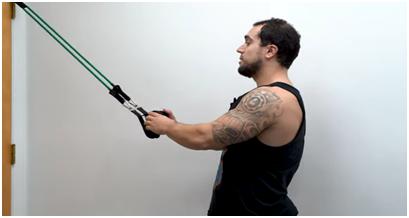
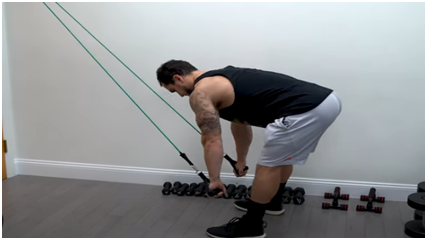
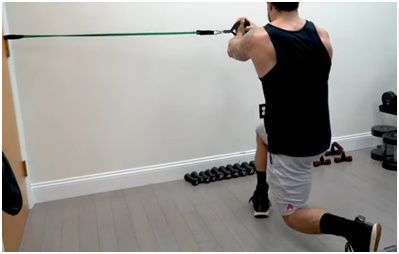
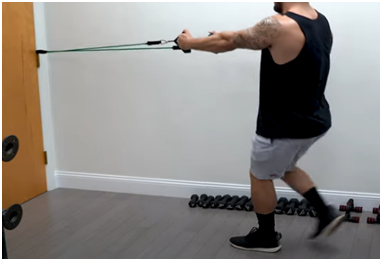
How To Use Long Loop Resistance Bands

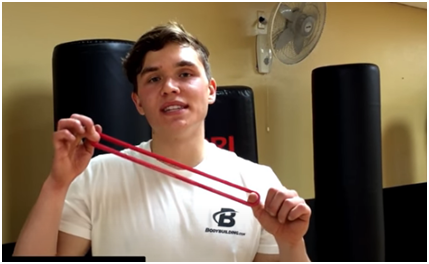
How To Use Long Loop Resistance Bands

Is all resistance bands are the same? Do you see different sizes of resistance bands? There are several sizes of resistance bands that are developed for different purposes. You can use specific resistance bands for different muscles target to strengthen your specific body parts.

Have you seen the long loop resistance bands? But you do not know how to use them to get most of them? You will wonder how flexible these long loop resistance bands are. Stay with me to know about how to use long loop resistance bands.

How to use long loop resistance bands

Grab your favorite resistance bands and stay connected with your personal fitness. Resistance bands can help you with a low-cost instrument exercise and you have to need only know how to use long loop resistance bands. Let see how is it work:

Easy ways to use long loop resistance bands for a full-body workout

There are many simple ways to target your upper and lower body parts with long loop resistance bands. I will share a simple ten-minute exercise with a long loop resistance band that could be a great complete body workout plan.

Single-Leg Hamstring Curl

Single-Leg Hamstring Curl is a straightforward exercise that can prove long loop bands as the best resistance for glutes development. It is straightforward to practice.

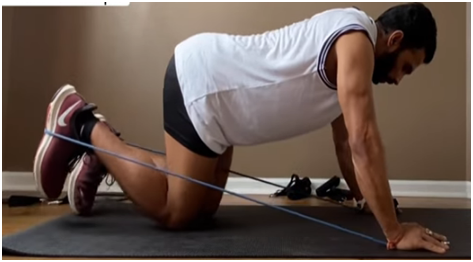
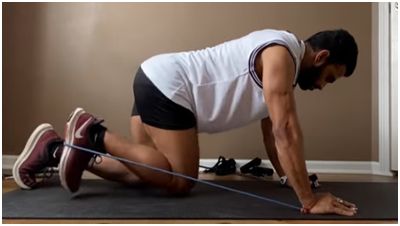
  • Take a long loop resistance band and stick its one end with your sofa front leg, or you can also use a door or any other support for that purpose.
  • Wrap bands next end around your ankle and lay down on the floor on the flat mat in a face-down position.
  • Now smoothly bend your leg and then straighten it again; practice this for 60 seconds.
  • Once you have done that, switch the band to your next leg and practice in the same for 60 seconds.

Hip Thrust Slow

Hip thrust slow is an excellent idea if you look for the best resistance band exercises for belly fat and glutes.

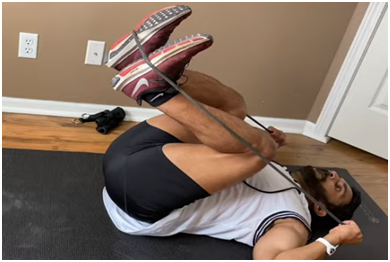
  • Take a long loop resistance band, wrap it’s both ends around your feet. Try to keep your feet at a distance from each other as much as possible.
  • After that, lay down on the sofa by placing only your shoulders, pull the loop resistance band, and place it in the middle of your body; it will increase the tension.
  • Keep both your hands under your head and start your exercise. Gently move your hips ups and down; try to take your hips lower as much as possible.  Practice it for 90 seconds and after that take 30 seconds break.

Shoulder press

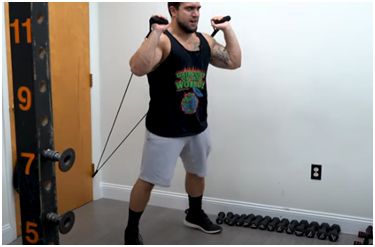
The shoulder press is easy with long loop resistance bands to strengthen your upper body muscles such as belly, chest, and especially shoulders.

  • Place your one leg before and a resistance band under your front foot.
  • Wrap a resistance band around your arms and by holding the middle of the band in both hands. Raise your hands as much as possible. Keep your posture straight; once raised, then gently take back to the start position.
  • Practice it for 60 seconds for one leg; after that, switch for the next leg and practice for another 60 seconds with the next leg in the same way.

Diamond Press

Diamond Press exercise could be the best exercise idea to strengthen your chest, shoulders, and overall arm muscles.

  • Lay down on the exercise mat on a flat floor, keeping your legs bent.
  • Wrap the long loop resistance band around your chest from the below side. After that, hold the resistance band on both ends in your hands. Raise both hands as much as possible.
  • Practice it gently for 90 seconds and then take 30 seconds to break to cool down.

Rear Delt Raise

Rear delt raise with long loop bands is a good resistance band muscle-building workout that may help you to target belly, chest, shoulder, and arms muscles.

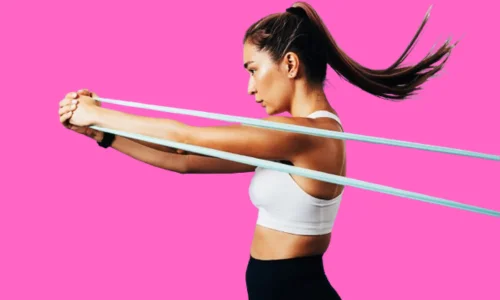
  • Stay straight on the flat floor and hold both ends of the long loop resistance bands in both hands. Maintain your posture correctly and ensure enough distance between your feet.
  • Now pull both ends in opposite directions. Try to pull them in the opposite direction as much as you can. It will put more stress when you pull it away on opposite sides.
  • It is very tough to practice so, practice it for 60 seconds and go for the last step.

Lat Pull Down

Lat pull-down exercise with a long loop resistance band is a good exercise in the end that will relax your legs muscle, put stress on your glutes muscles, and will also target your chest, shoulders, and especially legs muscles.

  • Stuck the oneend of the long resistance band with one leg of the sofa for support and lay down on the mat facing down.
  • Hold the resistance band in both your hands and try to pull it towards your body; while pulling, keep your head raised.
  • Practice it for 60 seconds; while practicing, practice gently; fast pulling could cause muscle contraction.

Once completed, relax; you have completed a ten-minute full-body workout with long loop resistance bands.

FAQ:

Can you build muscles with resistance band?

If you ask me a question, can you build muscle with resistance band, then my answer is yes, you can. Resistance bands show excellent muscle-building results. You can easily target any of your body muscles with resistance bands. You have various choices to make your workout stressful to get quick results.

Do resistance bands build muscle in legs?

The answer is yes. Exercising many legs with resistance bands will help you build glutes and leg muscles.

Do resistance bands help lose thigh fat?

When you practice resistance band exercise for legs, they burn the fat that causes thigh fat reduction. Your muscles need stress for burning fats that you can easily do with resistance bands.

Is bodybuilding with resistance bands only possible?

Bodybuilders use different gym equipment for stress to their body muscles. You can do that with resistance bands. Even resistance bands alone can help you in bodybuilding, but you may see results slower. If you want quick results, increase the stress level and practice for more hours.

Conclusion

Long loop resistance bands are very flexible to target whole body muscles. But knowing how to use long loop resistance bands is essential for good results. We have also shared several ideas that may help you target all of your body muscles with long loop resistance bands.

Keep fit health blog YouTube channel.

How To Use Gps On Galaxy 3 Smartwatch

how to use gps on galaxy watch 3

The Samsung Galaxy Watch is a pretty sweet smartwatch. It has the ability to track your steps, control music, and even monitor your heart rate. But did you know it can use GPS? You might be thinking about how to use gps on galaxy 3 smartwatch and how it will work. Also, think about how this feature would drain battery life fast but if you follow these simple instructions then you’ll have no problems at all! The process is very intuitive so there’s really nothing to worry about! 

The process requires you to go into the Samsung Health app on your phone and turn on the use of GPS. From there, you just need to wait for a couple of seconds and then open up your great new Galaxy Watch! You’ll notice it started tracking with the help of GPS in no time flat, allowing you to move around without needing to carry your phone with you!

Galaxy Watch 3 Is Better For Running?

The Samsung GPS watch is the best for running. I have tried different running watches in past but this is the best one for me. it also has a heart rate monitor with GPS so you can track your distance, speed, and more things.

The watch is available in different colors too that means it looks great no matter what bands you are wearing.

Now you have a new way to track your run. You can use GPS on galaxy watch 3 and enjoy the best smartwatch! The process is very simple so don’t worry about it, just follow these steps to get started.

All you need to use is Wi-Fi for this method to work properly. Once you download the Samsung Health app, go ahead and sign in to it using your Samsung account. After that’s done, go ahead and start tracking any activity that doesn’t require GPS or anything like that. Go outside where there’s good reception (Wi-Fi) and let the app connect with your phone. If you’re using an older model of the phone then go ahead and open up Google Maps. Start walking or running around until you get the blue dot to the exact spot where you are. If it doesn’t show up then move around a bit and wait a few seconds for it to appear. Once there, go ahead and switch back over to your app! Your good old smartwatch is now ready to track with GPS just like any other high-end running watch out there. Plus, it’s going to be great for trips too! Just take off into town and use Android Pay using this bad boy on your wrist!

How Can I Change The Clock Face On My Galaxy Watch 3

Samsung galaxy watch also has lots of features along with GPS. It can perform all basic features of watches plus it will help you in tracking activities during fitness sessions time after time again.

There are several types of clock faces available for this smartwatch which you can change anytime. If you want to switch the clock face then first, you need to download that particular type of clock face on your device. You can visit the galaxy apps store where lots of watch dials are available including analog and digital dials. Also, there are bright clock faces available with different colors like black, green, pink, etc… After downloading the app select it from the list and tap on the apply button.

If you don’t find any type of watch dial or clock face which you like then go to the settings option whereby the default Analog dial is selected (and grey in color). Now, tap on the Digital icon (which is at the bottom right corner) to switch to the digital clock face. Here you’ll find several types of digital dials and colors that are you can select and apply. If the watch has stopped responding or not reacting then restart your device and try again.

How To Use Gps On Galaxy 3 Smartwatch

The Samsung Galaxy Watch is the best smartwatch available for android users which can perform various functions like tracking activities during fitness sessions, messaging via messages apps (like WhatsApp), Hands-free calling option, controlling music, also allows tracking location using the GPS system.

It has lots of features plus a built-in GPS system so you can enjoy using this smart device everywhere to track your location around the whole day. First of all download any suitable app from the play store which uses a lot of batteries like Google Maps, etc… or you can use any other app which uses a GPS system. Once installed go ahead and tap on the start button for tracking your location continuously.

Now switch over to the Samsung Galaxy Watch available on your wrist (make sure it’s connected with your phone). After that open up the settings option where you’ll find the “sport” option by default. Tap on this particular option then chooses exercise tracking. Here select continuous heart rate tracking + GPS to enable both features at once.

That’s it! Now enjoy running/walking/hiking/trekking without worrying about carrying your phone in hand anymore because now you can track all activities using your smartwatch only. Also, check how to stop galaxy watch 3 notification sounds.

Some Useful Tips And Tricks For Samsung Galaxy Watch 3:

Enable MST on Galaxy Watch 3 if credit/debit card not working Enable Always On Display on ACTIVE models Keep your device always updated via OTA (over the air) service Disable Peeking notification feature on Samsung Galaxy Watch Run S-Voice on Samsung Galaxy Watches Optimize battery life on Galaxy Watch 3. Let’s check some tips and tricks:

1. Download Songs: 

Smartwatch’s features are in many ways related to smartphones. If you’re using one, then there’s no need to download songs on your smartphone and transfer them for listening offline. You can use your smartwatch to play music directly from your smartphone without any hassle.

2. Connecting with the device: 

If you’ve connected Galaxy Watch 3 with an android phone via Bluetooth, then you can easily manage notifications without carrying your smartphone all the time. You don’t have to pick up your phone from those moments when you receive a call, text message, or WhatsApp notification.

3. Charging: 

If your Galaxy Watch 3 is running low on battery then there’s no need to use any charging pad or dock as it comes with a standard USB charger that can be attached directly to a charging source. You can just use your regular USB data cable to charge your smartwatch without any issue.

4. Samsung Health App: 

This is an amazing app with many useful features for keeping a check on the overall fitness level of your body. In order to use this particular application, you have to install it from the play store and then set your Samsung account. After that, you can use all the features available in this app on your smartwatch without any hassle.

5. Volume management: 

Adjusting volume levels is easy with Galaxy Watch 3 as it provides a separate option for managing volume for media, ringtones, calls, and notifications separately from the main settings menu. Just swipe down from the top of the watch face and then tap on the Settings icon to access all those options.

6. Heart Rate Sensor: 

This Galaxy Watch 3 comes with a heart rate sensor at the back of this smartwatch which helps you to keep a check on your heart conditions during workouts or any other physical activity. The sensor allows you to measure Pulse – O2 saturation ratio & heart rate.

7. Samsung Pay on Galaxy Watch 3: 

If you want to make payments without any hassle while shopping then makes sure that your smartwatch is updated with the Samsung Pay app which allows you to store credit, debit, and some other types of cards for making payments directly from your smartphone. You can use this feature on this watch in case if all other payment methods are not working properly.

This app is available on the Google play store for all Samsung smartwatch users which allows you to sync your device status, notifications, and activities with other apps installed on your smartphone. It’s a great application that provides many useful features for keeping a check on the overall health of your body.

8. Samsung Pay: 

If you want to make payments without any hassle then you can use Samsung pay which allows users to store credit, debit, and some other types of cards for making payments directly from your smartphone. You can use this feature on this watch in case if all other payment methods are not working properly.

9. Lenovo Compatible: 

If you’re using a Lenovo smartphone then you can easily connect your smartwatch with it via Bluetooth. After a successful connection between the devices, you can get all notifications on Galaxy Watch 3 without touching your smartphone constantly.

10. Samsung Gear apps: 

There are some amazing apps that are installed by default on this watch for keeping a check on various elements of fitness including workouts, heart rate monitoring, and sleep monitoring. These apps are also available on the play store for download which can be installed on your smartwatch later on for managing workouts without any hassle.

Samsung Galaxy Watch 3 Specifications:

The Samsung Galaxy Watch 3 is a premium smartwatch designed to track health and fitness efficiently while providing a seamless connection to your Android smartphone. Below is a detailed breakdown of its specifications and features:

Specifications

Model Variants

  1. Frontier LTE/Exynos 42 mm
  2. Frontier LTE/Exynos 46 mm

Display

  • Size: 1.3″ (33mm)
  • Type: Circular Super AMOLED
  • Resolution: 360 x 360 pixels

Processor

  • Exynos 9110 Dual-core
  • Clock Speed: 1.15 GHz

Memory and Storage

  • RAM: 768 MB
  • Internal Storage: 4 GB
  • Expandable Storage: Up to 512 GB with microSD

Battery

  • 42 mm Variant: 270 mAh
  • 46 mm Variant: 430 mAh

Connectivity

  • Wi-Fi: 802.11 b/g/n
  • Bluetooth: 4.2 Low Energy
  • NFC: Yes (Frontier only)
  • 4G LTE Support: Yes (Octa-band)
  • SIM Type: Nano-SIM

Sensors

  • Heart Rate Monitor (HRM)
  • Accelerometer
  • Gyroscope
  • Barometer
  • Ambient Light Sensor

Operating System

  • Tizen-Based Wear OS

Build and Dimensions

  • 42 mm Variant: 32.5 x 49 x 14.1 mm
  • 46 mm Variant: 39 x 49 x 13.6 mm
  • Strap Material: Horween Leather

Other Features

  • GPS Systems: GPS, GLONASS, Galileo, BeiDou
  • Operating Distance: Up to 98 feet (30 m)
  • Speakers: Stereo
  • Charging: USB Type-C charging port

Key Features

  1. Comprehensive Health Tracking
    • Monitor your heart rate and sleep patterns with accurate sensors, even during intense workouts or under harsh conditions.
  2. Broad Compatibility
    • Compatible with most Android smartphones, ensuring a smooth and hassle-free connection for all users.
  3. Smart Notifications
    • Stay connected with notifications displayed directly on your watch when connected to Wi-Fi or cellular networks. Handle calls, messages, and tasks easily without needing your smartphone.
  4. Fitness and Activity Management
    • Use the Galaxy Watch 3’s built-in fitness apps to record workouts, track heart rate, and monitor sleep. Daily activity summaries are accessible via the S Health app, available on Google Play Store.
  5. Third-Party App Integration
    • Connect with additional smart devices such as Bluetooth speakers, headphones, or other wearables for enhanced functionality.

How To Use Samsung Pay With Galaxy Watch 3

The Samsung Galaxy Watch is one of the amazing smartwatches available for android users which performs various functions like tracking activities during fitness sessions, messaging via messages apps (like WhatsApp), Hands-free calling option, controlling music. So, you can get and find the answer about how to use gps on galaxy 3 smartwatch payment. 

How To Use Galaxy Watch 3 With Non-samsung Phones

The Samsung Galaxy Watch is one of the amazing smartwatches available for android users which performs various functions like tracking activities during fitness sessions, messaging via messages apps (like WhatsApp), Hands-free calling option, controlling music, etc… Here’s how you can use the Samsung pay on your smartwatch:

Firstly download and install the Samsung Pay app from the play store. Then add all your credit/debit cards details in this app so that you can do secure transactions while shopping for what you want. After adding cards go ahead to the payment settings section where by default the NFC option is enabled (and grey). Now tap on this particular option and turning it off. will disable the NFC feature and enable MST feature

That’s it! Now you can shop from any retailer that accepts Samsung Pay as a payment method. Use the payment option instead of plastic cards or cash payments.

How To Read Messages On Galaxy Watch 3

The Samsung Galaxy Watch is one of the amazing smartwatches available for android users which performs various functions like tracking activities during fitness sessions, messaging via messages apps (like WhatsApp), Hands-free calling option, controlling music, etc… Here’s how you can receive and reply to messages directly from your wrist:

Firstly download and install the Google messenger app from the play store. After that open up this app on your phone and select all conversations you want to sync with your watch. Then wait for a few minutes until it gets synced completely. That’s it!

Now go ahead to your Galaxy Watch options then select the messages option where you’ll find the list of all messages which are being received in real-time directly from your smartwatch. You can either reply or ignore them accordingly by choosing different available options at hand depending upon message contents, etc…

How To Configure Galaxy Watch 3 Notifications

The Samsung Galaxy Watch is one of the amazing smartwatches available for android users which performs various functions like tracking activities during fitness sessions, messaging via messages apps (like WhatsApp), Hands-free calling option, controlling music, etc… Here’s how you can configure the notifications and alerts on your smartwatch:

Firstly download and install apps for WhatsApp, Email & sync all your Facebook app contacts with Galaxy watch. After that go ahead to the settings menu then select the notifications option where by default the “Notifications” toggle is turned ON (and blue). Now tap on this particular option and turn it off. will disable all notifications and alerts on your smartwatch.

That’s it! Now only phone calls will be displayed on your watch and nothing else irrespective of their appearance in the galaxy phone notification panel. Also, check How to stop galaxy watch 3 notification sounds.

How To Change Galaxy Watch 3 Watch Faces

The Samsung Watch is one of the amazing smartwatches available for android users which performs various functions like tracking activities during fitness sessions, messaging via messages apps (like WhatsApp), Hands-free calling option, controlling music, etc… Here’s how you can change watch faces on your smartwatch:

Firstly download and install the Watchmaker app from the play store. After that open up this app and tap on the “My Watchfaces” section where by default all installed watch faces will be displayed in front of you. Just choose any one of them which you want to apply to your smartwatch. You can also choose other additional options after clicking the cog wheel button on the right side of this particular watch face. These features are namely: Live preview – to check live previews different watch faces Modify – to get complete control over watch faces. Change background, get options for changing indicators, date & time formats, etc…

That’s it! you’ve successfully changed your Galaxy Watch 3 watch face to a new one that you want. If at any point in time you’re not satisfied with the look and feel of your current watch face just use this option to change them instantly without any hassle.

Conclusion:

I hope this information helps you find the necessary stuff on your new smartwatch. If still, you have any query/concern regarding the above-mentioned tips and tricks just feel free to leave us a comment. We’ll be happy to answer your queries as soon as possible…! Cheers!

How To Use Resistance Bands For Legs?

how to use resistance bands for legs

You may not have intimate resistance bands as heavyweights equipment as you see in the gym, but still, resistance bands bring excellent results. Resistance bands are not just good for exercise, but they make your workouts easy too. You can exercise anywhere and can exercise for any part of your body.

When considering the use of resistance bands for legs, they bring better results and make your legs stronger. You can practice on your legs, even if you have stretched or sore muscles. But for better results, you should learn the correct way to use resistance bands for legs.

If you are searching for hacks about how to use resistance bands for legs, then stay here and learn about resistance bands’ benefits and ways to strengthen your legs.

Benefits Of Resistance Bands For Legs

Before explaining to you ways about how to use resistance bands for legs, I will explain to you some benefits of using resistance bands for legs.

  • Resistance bands are very beneficial for lower body parts such as legs and glutes because you can quickly produce force and pressure for lower body muscles with resistance bands.
  • They are proven to improve size, strength, and muscle functions and are helpful for early healing.
  • You can easily hit the targeted muscles.
  • Resistance bands provide similar and sometimes better results than weight training. The mechanism of the resistance band is very safe and produces a lower amount of force on joints but produces more stimuli. It brings more results but protects from injury to your legs muscles.
  • You have more exercise options; you can exercise at any angle or work for any specific muscle. You can efficiently perform the exercise in the vertical or horizontal plane, making it easier for you to exercise with more flexibility.
  • If you are injured and cannot work, resistance bands will help you heal your wounded muscles early.
  • You also have the flexibility for exercise; you can exercise anywhere in a room, garden, or any place that you find for training.
  • Resistance bands no doubt brings the same or better results for legs than gym equipment, but they are very inexpensive, and you can easily afford
  • You can continue your legs exercise activity even when travelling; you can keep a resistance band with you when you find time to exercise.

How To Measure Resistance Band Weight?

We all set some targets for muscles and want a better exercise facility for our muscles. We may remain in doubt until we do not know how much resistance our resistance bands offer. Resistance of a band is called resistance band weight.

You may think it is hard to measure the weight of your resistance bands, but I have found it easy to measure the resistance band’s weight. 

Indeed you have different sizes of dumbbells in your house gym. Dumbbells can help you to measure your resistance bands’ weight.

M7v8zoak6dIAHbNpnVpZD2LaBDqtyvWSnjizPMm0JHukgJl43Om9dLjSu0psrsIIDeK7i6rm97vfliBcD6evTB nHvEp nPHVQ 0 1mXsW LVnHJ 9IKzQMLLCAR6VNzAv5pjss=s0

Step 1:

Take various weight dumbbells; suppose you have taken 15 pounds, 20 pounds, and 25 pounds dumbbells.

Step 2:

Place the dumbbells on the floor and pull a 25 pounds dumbbell with your band; if you see it cannot move it up, let it and try for the next. 

Step 3:

You have attempted a 20 pounds dumbbell, but it does not move up with your resistance bands. 

Step 4:

Finally, when you try a resistance band to pull 15 pounds of dumbbell weight, it pulls it up. It means your resistance band’s weight is 15 pounds and is very close to 15 pounds. 

mBxfffO 4S9LHii5YTkAngEa9JUc qxNVcKLFNNXPI9LkVOeln4NjqJ89pdHBlT ZtsGkLklwE5hRTfi7DZuTI7BUlSYdoSZyMh8ky2F5TxufOCj QKNRaFU7pCQQtm6JnGE4I=s0

When you exercise, this resistance band will provide 15 pounds of resistance to your legs muscles. You may also find other ways about how to measure resistance band weight. But it is a simple way to measure resistance bands’ weight.

How To Use Resistance Bands For Legs?

Resistance bands are a fantastic tool for strengthening and toning your legs. They are portable, versatile, and suitable for people of all fitness levels. By adding resistance bands to your leg workouts, you can target specific muscle groups effectively. Here, we’ll discuss the 10 best leg exercises with resistance bands to help you achieve amazing results.

You need to choose the correct resistance band that provides you enough stress to activate your legs’ muscles to grow them faster. Here we will choose a 50lb resistance band that could offer enough resistance to strengthen your legs muscles.

01. Squats

P84TFkS7Zo huegqSQCyBvwYIIIlLsQ ckWnsn1N4yes95voEa7ArqFi 7me7

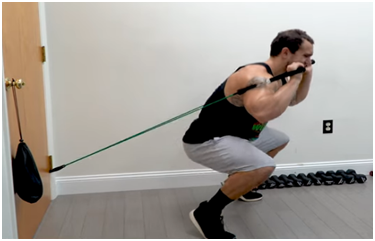
Squats is a most effective workout that could make your legs muscles more robust, and you can provide enough stress to your calves, quads, hamstrings, and glutes. Here are the steps of how to use a resistance bands for squats:

Step 1

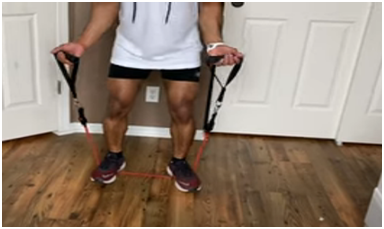
Stand straight on the even surface in a balanced position and hold both ends of the resistance bands in your hands.  Then place a resistance band below your feet but keep your feet at a proper distance according to the distance between your shoulders.

3sgQb5 CTEg2voOYvsE938YyEnXm2L5 INM3fq8UWYR KdgCw6aqnZO1vTkI5g6nurR4S

Step 2

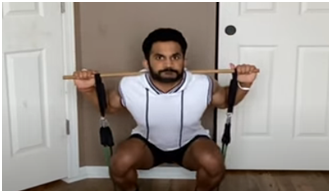
After getting above position, sit down on your feet and raise both hands below your shoulders by holding the resistance band firmly.

DtMoROx4 XjwLB5e1Zj2MNBBB 6VsQyOnJFKhS oIn 6JOJNSDewtoV2ptKjK6yDDB8aRtv5Za3Ik6A9ryWNXG aEfLbnKFPWl tvUeXsr2 Zo9Qc84BSs60Rb RzS pDiyeUkE=s0

Step 3

Then start to stand up and down gently, but keep your position at the same place and keep your feet distance maintained. If you want to add some more pressure, you can also increase the distance between the feet. Repeat that sit and down sets three times and 10 to 12 reps in each set.

VT3BiVtp5DoZyyZL6RVYwyFeClNXFU2EUBGlY9 W9ko6PZkFDDRKPDrTC2uVl705FTSGr2YyMPWZiVV5VLiXTklp3Wo9SfRASoV1UM50EmzkIG 2IO5imluEkDC5VczX5dk6cWs=s0

Note:

·         Make sure during the entire workout keep your back straight, core muscles engaged and when sitting down, sit as much as possible near to your feet.

·         You can also make your grip more comfortable by using the stick instead of holding the resistance band in your hands. It will give you more control and also will increase your stress level.

zBYSOnWm XNLSBZcyl CE9YGEy0bsAl0wUtjDHzgjWXNGsO8kEHqlPVsh3P 3b3oXqjeoNajACmvq SoY5owRRfGzIJI8imm0q LjpY4QGjLIIuY3DMvTb5uHahm0aZ12C ylj8=s0

02. Lunges

A lunge is a good practice for legs muscles; it will improve your overall legs muscles and help you improve your upper body parts. Here are the steps of how to use a resistance band for lunges:

Step 1

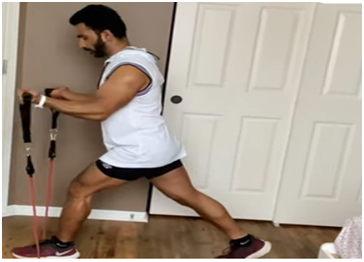
Stand straight on the even surface, and hold resistance band’s both ends in your hands firmly. Take your one leg forward and place a resistance band under your forwarded leg feet. Take back your second leg behind from your initial position at a distance as much as possible. Place back leg feet toe on the floor and ensure that you did not place full feet on the floor.

iiSiQQnQ92aH2plwiwyz3D O7DXb2IrcIWasvHx5nI08IF3ddY3 A1gKITkQOWcvb55WLIJCy81qUeYqoV9ASPSW3dNb8B kSTnFceoJ9xsVm P9UixaChgdaBLlJnOB djbd0o=s0

Step 2

Now slowly go down and then stand but do not allow your knee to touch the floor. Practice it for 10 to 15 reps for one leg.

Step 3

After that, change your leg and practice it for your next leg. Practice three sets for each leg.

Note:

·         Do not practice it fast; otherwise, your legs muscles will contract, and you may feel pain.

·         If you want to add stress to your workout, increase the distance between your feet and stay for a couple of seconds when you sit down

03. Leg Press

Leg press could be the best resistance band leg workout for mass that will make your quads and lunge muscles stronger. It is simple to practice, and you can efficiently perform that leg workout anywhere with a resistance band. Here are the steps of how to use a resistance band for Leg press workout:

Step 1

Sit down on the floor, keeping both your legs forward. Place your resistance band under your feet; make sure you have placed the resistance band in the middle of the toe; it will give you more grip and put more stress.

7IuTG7eG6epWKucSsjdfityh1 WnkVLEkM36eH1eF7SnIFRSs 2jSO WgY uG04m9rfilE lHEjAnLbjJCphc6aVp8rPiIAU D39QKQvFL3 OE1R9McuPfwaHMOzVhV0wdEF6 Y=s0

Step 2

Now pull the resistance bands to touch your hands with your shoulders and slowly lay down on the floor. But remember that in the starting position, your feet should not touch the floor and should remain in the air.

1OhY6IHuA5hwplTe0BCK8KfCf9Av2vJuRu l7oLB 2QptJ92c3h51nhMbKRTfrA

Step 3

Once you have got above position, slowly bend your legs backward towards your chest and make sure your knees should touch your chest or minimum with your belly.

jZqYHooRBtRyJvLz r8h2bshLgIdxCUDgTOEmZjSLrlv28VcF6jL8C3llOkaNafJaxlRmEg0g a2vhZA6Isgah1gBs6MdW C8OUY9uJLe4j0gvbc yD4Hw3JmHRd6aBeOB4Y6g=s0

Step 4

Gently straighten your legs, but maintain distance between both legs. It will not just add more stress but also make it easier to practice. Practice three sets of 10 to 12 reps for effective results.

3x8neDssk3GurEafGfSUtqv1pP14lMhI3b0JqNityeNOSFql74WF 9ZSaFsYau9l3pKRhOLrBFGDAz14vaJYvahBiT 3Sj5EySQjkSsPXpP1GbZEMujjC3WeYnUz7aXbStXKoU8=s0

Note

·         You can make this practice easier by using different resistance bands such as repeat 12 reps with 40 lb resistance band, then eight reps with 50 lb, and six reps with 60 lb resistance band.

·         You can increase the stress on muscles by an increasing distance between your feet and hands.

04. Donkey kick

Donkey kick is an effective leg workout if your target is quads, hamstrings, and glutes. You practice the best resistance band exercises for glutes that will strengthen your legs muscles and activate your shoulders and belly muscles. Here are the steps of how to use a resistance band for a donkey kick workout:

Step 1

Get a position by placing both your hands and knees on the floor and then place one of the 50 lb resistance bands under your foot. After that, stretch the resistance band with both hands and place both hands forward than your shoulders. But make sure your one foot around that you place the resistance band should remain in the air.

UzWdUASLMIJ6GgT HHf0HD9oXobQvZ 0RTEXPbMHJxSl9cAxql57RobFAWR2XId DfNNBqfOjSW5 lpa7iZSh cWwd5pnVJbGEtYZ7CwXfWS kfvMHNPtdQk mntPiDENkuiuuY=s0

Step 2

After that, straight your one leg around that you place the resistance band and make sure your leg should go above your head level. Practice 10 to 12 reps for your first leg. It will strengthen your quad muscles.

Step 3

Next to that, repeat the same practice for your next leg. For better performance and early results, practice it in 3 sets of 10 to 12 reps in each step. But during the entire workout, make sure your moving leg knees should not touch the floor.

BXOF7MMuZhyq7QSsCgUGtVGoJVyrMAZOnM6V

Note

·         If you want to add tension to your workout, you can use a 60 or 70 lb resistance band and increase the distance between your hands.

·         It is a perfect workout if your primary concern is to improve the shape of your glutes.

05. Leg Extension

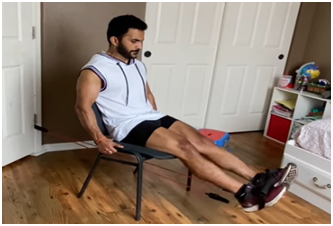
Leg extension workout is best to choose for your quads muscles. For that workout, you will need a chair and an anchor. You will also need a firm spot to hold the anchor or place it in the bottom of a door.

Step 1

First, insert the resistance band along with the anchor and make sure the anchor is almost in the middle of the resistance band rope. It will make it easier to apply the same force for both legs. Put the anchor in your door bottom and sit on the chair. After that, place a resistance band on both handles in your feet.

zk

Step 2

Now slightly move your chair forward to add some resistance to your workout. Once you have done this now slightly kick forward your legs as high as possible. It will assist you in activating your calves and quad muscles and will bring fast results.

hYL5LBUgQk5OhePn JmDOni6aimtIsSsZGbbW0BJIQlc1rwq8veXaO5MS z0zWgIFQiKroYe4hv8tCpL14zumi nBURMVww1sqHElKZcLdSvtcb

Step 3

Divide your whole workout into three sets and perform 10 to 12 reps in each set.

IC1buFwOJkmNJTKAyADnw97oFKMirjcEyAOsuSqeQLMqA2Pniqz664lokLrRpNp3gM1KfdrEKXdswVCLEvm70O6CeGClcY 4GAyuF6buz9TjKDk 3Fd472vSXabWJTB4kRsy1ao=s0

Note

·         You can add more tension to your workout by increasing the distance between the door and the chair.

·         You can also increase or decrease resistance band weight to increase or decrease tension.

06. High-straight legged deadlift

High straight-legged deadlift could be the best resistance band leg workouts for heavyweight men. It is easy to practice, and you need a support and resistance band and can perform that exercise anywhere.

Step 1

Take an anchor and insert your resistance band in the anchor. Now place your anchor on the high angle with a door or any other firm post that holds it firmly. Then hold resistance band handles in hands and stay straight.

uHsRAoxsJ2avGwP92DjhFuLSsAGx2E8z3IkK1GjBsTmo bfF kELpk lWm8 bJygmDfi6g7zh tpF0FcC600aHnKB8XbvEiCdAw7nE6OJP6btpMRXN0yC8GzuAoKFcfzEYHNeA=s0

Step 2

No stretch your body and slowly bring resistance band handles down. It will activate your hamstrings and glute muscles.

kIjAKfc15QAn0jpHJLHKgTqqc3z5m2LPCQU6r7AusGtWAu4MgGypwUY6udcqLtK32TvlbDKjChTTk1Oda01x4Kjpx6HzJFETh9yklEN2

Step 3

Now fully stretch your hamstrings, bring handles down towards your feet, and bring them down as much as possible without losing your body. It will add stress and create more tension in your workout. Manage proper distance between your feet to make your practice more challenging.

zvU11PIccSLttAk gCLdDaNv5 4hCcAuzX 7cng87irr00CNFiKAmpnuxLOq8Y76ZPIaFfEXSK8hdqlxBhMjBJB 2FES

Step 4

Practice it in three sets and ten reps in each set. You should rest for a couple of minutes between each set; otherwise, it could be very tough for you.

RYeXK 5MMMLGeHCKwndZoHfTlmOaB1r5pt3fsOkoHk03IifjX2viLpu2dghETrIgvrySJ7

Note

·         If you want to make your workout challenging, you can increase resistance band weight or increase the distance between the door and you.

07. Middle skater Lunge

Middle skater Lunge is the best resistance band legs workout that is easy and brings the best results to activate your core muscles. You can not perform it in your home but also can make it more challenging.

Step 1

Place your resistance band anchor in the door at the middle angle, not much high or below. It is good to set it according to your shoulders height. You can place it three or five inches below your shoulders height level in the door.

VUW7sMf4vQs xCC1oK7ClmETNBqeWMRJKE rTkYSBWDiyqjmyQctDICPP0FSFUNizBBDS TM ix4CaPcjU5hK8 nHQpDfw2Fr1BWghVb21MnXI7z

Step 2

Turn on your side and start practice for one leg. Suppose you want to practice for the right leg, then first maintain a proper distance of 10 to 12 inches between your feet. Now slowly take back your right leg downside but make sure your knee should not touch the floor. Practice 12 to 15 reps for your right leg.

Ai mU40hs6Od Jzf606QLOLgVF

Step 3

Once you have completed reps for the right leg, then turn your side standing on the same position and start practicing as before but for the left leg. If you are tired, you can rest for a minute, but it is better to continue without a break. Workout 12 to 15 reps for the left leg, but keep your core muscles stretched.

X vv OIU2AlIC3UC7F98oRtBtt4ZP5zNdu6c1aSSkL9lC4 iW55k5i2LNTVleUkJ1xpcCFDJclRukjKnZj7VtFDTVcYW8vIgHyC1YuN9muagMpERWU9DxUsicwSFU

Note

·         You can add more challenges to exercise by increasing the distance between you and the door.

·         Also, stay for a couple of seconds to give more stress to your core muscles when you take down your knee close to the floor at the lowest position but without touching.

08. Middle Alternative Reverse Lunge

Here is the best resistance band exercise for legs and glutes that will hit all muscles of your legs. Middle alternating reverse lunge will help you to practice for both legs simultaneously. For each rep, you will need to change your leg; let’s try it.

Step 1

Place your resistance band anchor in the middle of the door and stay straight two feet away from the door. It will add tension to the resistance band and will make your workout challenging. Also, maintain a distance of 10 to 12 inches between your feet.

0k mrIyWuB t7mBkW1tUlbU5ynIQJe9P9j61gIu5YF6mB LOGutuQqGfjdt7lPFgXlI78NBBFuyVQUYrqJWrhI0aquVtTQ0Wtwzr9tmJEkuBBrLlOPB6Mr88PHJxM kynpSUoiY=s0

Step 2

Once you have got above position, now gently take back your one leg. Place back feet just on the toe and take your knee down towards the floor as much as possible, but your knee should not touch the floor.

Then take back your leg on the initial position and take your next leg back on the feet. Do that exercise and alternate legs each time and perform 15 reps for each leg.

FFrVfRath71IiSLOJNLdbbeatVjKfveHizTBcXx W4eH Fv4Yu krebz6ZVAryBTsPvLf1J32Kc3kIgPiBt66uvJIrsd77zRnhWrdD3H1xXsoJyDmBuRbm9DLR JtRBl cw9ms4=s0

Note

·         When taking back your leg takes it back as much as possible, it will increase the stress.

·         Never touch your knee on the floor.

·         Always try to remain in the same position when alternating legs; it will make your exercise consistent and fruitful.

09. Low Calf Squat

Low Calf squat is a unique exercise that will strengthen your core muscles, hamstrings, calves, and glutes and build your upper body muscles. It will also activate your chest, belly, and shoulders muscles. It brings fast results for leg exercise, and you can add more mass to your legs with consistent practice.

Step 1

Start with placing an anchor in the lower point of the door 10 to 12 inches above the floor. Now hold both handles in your hand and stand straight. Turn your side and pull the resistance band from the backside. Bring resistance band handles above your shoulders level from behind.

R6D7zfYZMGYy1NO

Step 2

Now sit down slowly but when you sit on your feet, raise your feet from behind and put all your weight on your fingers and then place back full feet on the floor and stand again. Repeat that practice 15 times continuously but in slow motion. It will be very challenging so practice it slowly in a gentle way.

XIEKFlxdtwhNVYCqYazmcauBkxYnn7pE1P0Vd FYJW8jaGrbd k OIsLUJaNgWFenC6CDvXQ8CkIJcpOZbEtRDJN ZWws0YF lRAsGwtvIf0uYTM1M0iAOJuaMjb0EZjoW gEyQ=s0

Note

·         Try to maximize the squeeze and stay for a couple of moments when you stand on your toes. It will add more stress and make your exercise more challenging.

10. Low Pull Through

The last one is an easy leg workout and is excellent for your overall legs muscles growth. It seems very easy, but you have several choices in it to make it more challenging. Low pull-through could be your best resistance band leg workout for mass if you practice it correctly.

Step 1

Mount your resistance band anchor at the lower point of your door and stand straight on the floor. Now turn your side and hold the resistance bands handle in your hands. Keep a resistance band between your legs from behind between your thighs.

Step 2

Next, go away from the door and maintain at least two feet of distance to add proper tension in the resistance band. Once you have reached the position, now start practice.

Takedown your upper body and make the resistance band relaxed when your head reaches your belly level, then pull the resistance band and raise your head straight. Pull the resistance band until you stand entirely straight. Practice it 12 to 15 times and repeat 3 sets.

Note

·         You can make your workout more challenging by increasing the distance between your feet.

·         It could be more beneficial if you change resistance band weight for each set, start at a lower weight and then gradually increase the weight to make your upcoming set more challenging.

How To Use Resistance Bands For Legs (FAQ)

Question No 1: Do resistance bands build muscle?

Answer:  Resistance bands are found helpful for building muscles. You can deploy resistance bands for any muscle growth. It offers flexibility and adds tension to your workout to strengthen your muscles. 

You may not get faster results when using resistance bands alone, but when combined with other gym equipment improve muscles fast. But using resistance band exercises for legs and glutes show mind-blowing results and also offer greater flexibility.

Question No 2:  Do resistance bands burn your legs fats?

 Answer: Your legs have a prominent role in your overall movement. If you have strong legs that are perfect, it will be easier to move and perform your routine activities. Thin or massive legs could create problems in movement. If you have heavy legs due to more fats, it will make your regular performance down. You can use resistance bands to burn the fat.

Whenever we give stress to any muscles, it will burn fats and make our muscles stronger. Resistance bands also generate enough stress and tension during a workout that causes fats to burn in our body and around our legs.

Question No 3: After how much time will I see resistance band workout results for my legs?

Answer: No matter what workout you are going to do, it takes time. Resistance bands bring good results to build muscles. But it is not magic, and you need consistency in your practice and time to see the results. You may start seeing resistance band workout results after 4 to 5 months of continuous workout for your legs.

It is affected by many factors such as your workout routine, stress, and your body weight also. If you want fast results, you can combine resistance bands with other gym equipment for leg workouts.

Question No 4:  Can you strengthen your legs muscles at home with resistance bands?

Answer:  When it comes to growing your leg muscles by using resistance bands at home, it is possible because resistance bands are manufactured to offer flexibility in exercises. You can give stress to any of the body muscles to grow muscles. You can quickly increase your leg muscles with a resistance band, such as calves, glutes, thighs, and above ankle muscles.

Question No 5: What should I need to strengthen my legs muscles with resistance bands?

Answer: There is no doubt resistance bands bring positive results for strengthening legs muscles. But for fast and required results, you should learn how to use resistance bands for legs. You also need consistency and proper workout stress for leg muscle growth.

Conclusion

Resistance bands are the easiest exercise solutions for busy people that offer greater flexibility to them. With resistance bands, one can exercise at home, parks, room, or anywhere. They are not just less expensive but also very effective muscle growth solutions. You can use resistance bands with other gym equipment to bring quick results.

Resistance bands are perfect to use for a full-body workout, but their results for legs are exceptions. You have hundreds of exercise ideas to choose from to activate your legs muscles and make them stronger and healthy. We have also shared some easy and helpful exercise ideas with a resistance band that may help you make your legs shape perfectly as you need.No matter what workout you have chosen, the way of using a resistance band is also essential. So we have also taught you about how to use a resistance band for your legs in detail for each workout.

How Do Resistance Band Build Muscle

how do resistance band build muscle

Are you looking for ideas to build muscles? You may hear about the use of resistance bands to build muscles. But do resistance band build muscle or not? 

Resistance bands work in the same ways as free weights to build muscles. They also create resistance for your muscles to fight against the resistance and then help them build muscles.

But you also need to learn the way to use the resistance bands for building muscles. With the right way, you can build muscles as fast as other gym equipment. Here we will provide you with complete information about do resistance bands work for building muscles and how they work.

Can You Build Muscle With Resistance Bands?

Yes, resistance bands can help you to build muscles. What your muscles need is tension, muscle adaptation, progressive overload, and then adequate recovery. When you add resistance bands with normal muscles building exercises, they increase the capacity of muscle growth.

You may find muscles building slower, but no need to worry because it is a time taking process. You need to remain dedicated, consistent, and determined to reach your muscles building goals.

Resistance bands may help build muscles by recruiting the stabilized muscle groups and adding extra intensity in another body-weight exercise to increase your exercises’ resistance, tension, and stress. It not just works for muscle growth but also improves your body focus, rehabilitation, and flexibility.

Resistance bands also create greater flexibility and ease for you to choose the exercises. You can easily stand on the bands, and after holding the ends, you can easily adjust your body at any angle with support. You can easily set your exercise at home, garden or in the park without much equipment.

How Do Resistance Bands Work To Grow Your Muscles?

What do your muscles need for growth during exercise? It is tension and stress on your muscles then recovery. Resistance bands offer enough tension that you can get in several ways better than the free weights and other body-weight exercises.

Due to greater flexibility and ease, it easily suits everyone to use resistance bands for muscle-building exercises. In the free weights mechanism, gravity and load are used to provide tension. When working on free weights, force is created downward by the weight. So in such a way, you need to position your body to ensure targeting of force on your muscles.

Suppose you want to target your chest muscles, then you should lie down parallel on the floor by facing up to put tension on your chest. If you want to hit muscles on your back, you will need to keep yourself bent. So you need to set yourself at different positions for targeting muscles with free weights.

Body Weights also work the same way you need to maintain the gravity for targeting the right muscles for growth. But in the case of resistance bands, you have some advantages.

While using resistance bands, force created by elastic tension. How forcefully you stretch the bands, more tension will create in the bands. It makes it easier for you to hit the right muscles from any position. 

Suppose you want to hit your chest muscles, then you can perform the exercise for chest muscles in a standing position with resistance bands. 

How To Choose The Best Resistance Bands?

You have plenty of brand options for choosing the resistance bands, but you need to choose the best resistance bands to get the most from resistance bands.

Resistance bands look like small loops and are manufactured with latex or rubber materials. Resistance bands come in color-coding options such as 4, 5, 6, or 8 that you can choose on your preference.  Some of the features that may make resistance bands perfect for you.

1. Pick the high-quality brands.

Resistance bands are coded with colors according to the level of tension, such as light, medium, heavy, very heavy, etc.  Please choose more than one because different color-coded resistance bands are suitable for different resistance levels. 

When choosing never to go with a low-quality option, always ensure that you have picked the best resistance bands that can help you. 

2. Choose comfortable bands

Resistance bands come with different options that make them suitable for different uses. Suppose modern bands come with interchangeable handles that you can replace or off when required. You can set them as you feel comfortable using them.

So while picking the resistance bands, try to choose the band that offers plenty of features that make them versatile and comfortable to use. With friendly to use resistance bands, you can get more from your bands.

3. Get accessories with bands.

There are many accessories available that make it possible for you to attach the bands in different ways. If you have a sturdy pole or stair rail, you may not need extra accessories with bands.

But if there are no such facilities at your home, then you need the door attachment accessories. Some accessories such as ankle cuffs, handles, and many other accessories may help you properly attach the resistance bands for exercises.

4. Choose the simple options.

You may find a variety of resistance bands designs but always go with simple options. Try the simple long tube with handles bands initially, but you can choose other designs such as circular and double bands when you have learned.

Do Resistance Bands Build Glutes?

If you want to develop glutes for better performance in sports or aesthetics, then resistance bands can help you. Resistance bands are one of the most accessible options and are simple to deploy in your workout.

Resistance bands are easy to fit for any muscle’s growth, so if you have the best resistance bands for glutes, you can get most with a resistance band.

How Do Resistance Bands Work For Glutes?

When it comes to choosing the best bands for glutes, then latex bands are good options. They are 12 inches long, making it easier to engage hips and glutes simultaneously during the exercise of your lower body 

using resistance; you can stimulate your glutes muscle. You can put stress on them for a better workout. By regular exercise, you can add muscles to your glutes. Resistance bands for glutes come in different widths and strengths according to your required resistance levels.

If you want to get early development of glutes, then you should prefer the higher resistance bands for a more challenging workout.

How To Use The Resistance Bands For Developing Glutes?

If you are struggling to develop glutes, you should place the resistance bands around your glutes, calves, ankles, arms, shoulders, and feet. These bands are added for more stressed workouts to offer more resistance to lower body parts exercises such as squats, slides, and lunges.

You get faster results when you add more resistance to your workout by adding bands in your workout. Using resistance bands fat around your glutes burn adds flexibility, tone the lower body, and make your glutes stronger.

Why Do Resistance Bands Help In Developing Glutes?

We want solid glutes for that; we try heavy workouts for developing glutes. But for developing stronger glutes, you need to exercise at the right angle; it is tough to get the right angle for exercise with other equipment.

A resistance band has more accessible options for exercise, and you can get the right angle by putting pressure on your glutes perfectly. By perfect force implementation around glutes, your glutes muscles show early results that increase glutes muscles strength.

How To Measure Resistance Band Weight?

Upper Body Workout With Resistance Bands

Resistance bands are an excellent tool for adding tension to your workouts, aiding muscle growth, and increasing strength. They provide versatile resistance similar to traditional weightlifting equipment. However, determining the resistance or “weight” of a band can sometimes be unclear. This guide will help you measure the resistance of your bands easily and accurately.

Why Measure Resistance Band Weight?

While it’s not always necessary to know the exact resistance level, understanding it can be beneficial if you’re:

  • Targeting specific strength goals.
  • Progressing in your fitness journey.
  • Tracking improvement over time.

By measuring resistance, you can tailor your workouts to meet specific fitness objectives.

Tools You’ll Need

  • Resistance bands: Choose the band you want to measure.
  • Fish weighing scale: A portable and accurate tool commonly used for measuring resistance.

Step-by-Step Guide to Measure Resistance Band Weight

Follow these simple steps to measure your resistance band’s weight accurately:

1. Define the Purpose and Stretch Point

  • Decide how you’ll use the band (e.g., for pull-ups, squats, or other exercises).
  • Identify the maximum stretch point—this is where the band provides its peak resistance.
  • Use a marker or tape to mark the stretch point.

2. Prepare the Fish Weighing Scale

  • Attach the hook or loop of the fish scale to one end of the resistance band.
  • Ensure the scale is set to zero for accurate readings.

3. Stretch the Band

  • Gradually pull the resistance band to the marked stretch point using the fish scale.
  • Stretch steadily to avoid sudden jerks, which may affect the reading.

4. Record the Resistance

  • Once the band reaches the marked point, check the reading on the scale.
  • Note the weight displayed—it represents the resistance provided by the band at that level of stretch.

Tips for Accuracy

  • Consistent Stretching: Always stretch the band to the same length for comparable readings.
  • Measure Multiple Times: Take at least three readings and calculate the average for the most accurate result.
  • Use Proper Tools: Invest in a reliable fish weighing scale for consistent measurements.

Understanding Resistance Band Variations

Resistance bands come in different types and strengths, typically categorized by color or thickness. The resistance level varies based on:

  • The material of the band.
  • Its length and thickness.
  • How far it’s stretched during use.

Benefits of Measuring Resistance Band Weight

Knowing the weight of your resistance band can help you:

  • Adjust your workouts for specific goals like hypertrophy, endurance, or flexibility.
  • Replace free weights with equivalent resistance bands during travel or at home.
  • Monitor your progress as you increase resistance over time.

Lastly, Measuring resistance band weight is a straightforward process that can help you optimize your fitness routine. By using a fish weighing scale and following this guide, you can accurately determine the resistance provided by your bands. Whether you’re a beginner or an advanced fitness enthusiast, understanding your resistance levels ensures you’re on the right path to achieving your goals.

Start measuring your bands today and take your workouts to the next level!

Do resistance band build muscle or tone?

Experts’ comments and experiment results show that training with resistance bands helps build muscles or tone. So everyone who wants fast results for muscle gain should add resistance bands training in exercise programs.

There are plenty of resistance band exercising programs to build muscles, such as weight lifting is one of the most popular ways. Resistance bands offer you greater flexibility for exercise; you are not bound to remain in the gym.

With resistance bands, you can exercise anywhere inside or outside. It also offers you the flexibility to exercise at different angles to apply the proper force level to specific muscles.

But if you are curious to know, do resistance band build muscles or tone? Then it depends on many factors. Resistance bands can help you grow your current lean muscle mass and help you tone the previous lean muscle mass. 

It depends on factors such as how fit you are and from how much time you are doing exercise with resistance bands.  

For the beginners, results will be prominent, and they also show quick results. But if you regularly exercise and your muscles are already strong enough, you may experience slow results. 

But in both cases, you will see better results. You may see slow or fast results, but, indeed, you can build muscles or tone with resistance bands.

Resistance band muscle building workout

Resistance bands are no doubt the best and simple tools to train for building muscles. They offer greater flexibility for training, and you can adopt many workout programs for building muscles of different body parts. We will provide you with five best exercising ideas.

1. Squats

A squat is one of the best training methods with resistance bands to build muscles. You can exercise by squatting with parallel legs, bending your knees over the toes, and then drawing glutes down to the knee level.

Then you can double your band resistance for a better workout by holding each end of the band with straight arms at chest level. After that, begin pulling your legs up and down by drawing the band up overhead and down at chest level. 

But keep your belly engaged and arms stronger during practice. But during all the practice, keep your knees bent and arms straight in line with your shoulders. 

2. Banded Push-ups

Banded push-ups are good for building muscles around your chest, shoulders, core, and triceps. Experts say that adding resistance bands to this exercise will make it more effective, and you can build your muscles fast. 

Using resistance bands is simple and makes it easy for you to maintain your weight balanced on your back. 

You can practice that exercise by looping resistance bands around your back. Then grip the band ends in your hands and practice the push-up exercise as you regularly perform. What you will see, the thing that you will experience is more powerful.

Resistance bands will increase the tension in your workout, and you will apply more force than a routine. Just drive your hands into the ground, then press your body up in a locked position.

3. Band Plank with row

Band plank with a row is another option for practicing with resistance bands to build muscles. You can engage a better number of core muscles simultaneously with your biceps taxing. When you add bands in the regular weighted cable band it makes it tough to exercise.

It is pretty easy to practice, anchor the band to a firm post on your front and then choose a plank position with your core tight but keep glutes squeezed. Flatten your lower back and reach forward with one arm. 

Hold the resistance band handles and row it to your rib cage and then back with reasonable control. But keep your body tense for more tension in your workout. It will ensure better results, and your muscles will build faster than routine.

4. Oblique Twists

Oblique twists exercise with resistance bands can be an excellent way to build muscles in your lower body portions. It is pretty simple to practice.

Stand straight with wider legs than your hips in a parallel position, and then hold the band in both hands in front of your chest with straight arms. Once you have got the correct position, then start the twists from side to side.

You can start the exercise from your waist, then belly squeeze and work on both sides of your belly. Try to repeat these movements 25 to 40 times for better results.

5. Band Bicep curls

Band bicep curls are a good exercise for building muscles around your biceps. Once you use resistance bands, you do need to exercise with a dumbbell for building biceps muscles. It will give you a tough time with extra resistance to make your workout harder.

You need to stand on the band and hold the resistance band with your underhand grip about your shoulders width apart. When curling the bands, try to curl it as much as possible until it aligns with the collar bone.

When your forearms start touching your biceps, it means you have got the correct position for the exercise. Repeat these movements 15 to 20 times or more. 

Bodybuilding with resistance bands only

Resistance bands are becoming trendy due to their best features. Experts also recommend their use in your workout for building a more muscular body. Most of the experts and bodybuilders recommend resistance bands used for better and fast results.

But do resistance bands alone are effective for bodybuilding? The answer is yes; you can build a more muscular body with resistance bands. 

Resistance bands offer greater flexibility and multiple easy options for you to practice training for each part of your body. You can use resistance bands for upper body and lower body parts workouts. 

What do your muscles need for better growth? It is high tension, progressive overload, muscle adaptation, and adequate recovery. It is possible with resistance bands; you can allow all required facilities for each part of your body.

When you consistently give training to different parts of your body with resistance bands, they start improving. You may see results after some time, but it is proven that resistance bands alone can grow muscles and help you in bodybuilding without using other equipment.

FAQ

Do resistance band build muscle in legs?

Yes, resistance bands are one of the easiest ways to exercise and build muscles. You can use them for any part of your body. But for the legs, they are more suitable because resistance bands are more helpful for lower body parts.

Resistance bands force the user to move with a good form and create more power from the right muscles. You can easily set your body weight and balance by getting your position at a right angle.

How can you stop resistance bands from rolling?

If you choose the correct width and length of the bands, then there are scarce chances that bands will roll. Correct length and width bands remove the problems such as being too loose or too tight, making them stable and correct fit for exercise.

Do resistance band build muscle in massibly?

Yes, by using resistance bands and your body weight, you can build muscle mass. Bodyweight exercises are good for improving conditioning, balance, and muscle mass.

How many calories can I burn with a resistance band?

There is no exact answer to that question because it depends on many factors such as your weight and workout. If your body weight is heavy and you work out for more time, you can burn more calories. 

But with lower body weight and a short time workout, you can burn only a few calories. An average calorie-burning for a 125-pound person is 150 calories with a 30 minutes workout.

Do resistance bands help in weight loss?

Of course, yes, because resistance bands burn calories. It is proven that any exercise that burns your calories also helps you in reducing weight. So you can also use resistance bands if you are struggling with heavy body size.

Why are resistance bands good for stretching exercises?

Resistance bands offer more elasticity, so due to higher elasticity, they are perfect for stretching exercises. You can add as much tension in stretching exercises by using resistance bands.

Conclusion

Resistance bands are one of the famous and easy options for flexible exercise. You can use resistance bands with other exercising equipment to make them more effective. Resistance bands are found helpful for building muscles when combining with other gym equipment.

They offer more flexibility for exercise, and you can practice your training anywhere with resistance bands. Resistance bands are so effective even you can benefit from them for bodybuilding without using any other equipment. 

Resistance bands are less expensive, flexible, and offer versatile options to use. You can use resistance bands for building muscles and even for weight loss.

Which GPS Watch Is Right For You – Keep Fit Health

Which GPS Watch Is Right For You

I’m going to share my thoughts on which GPS watch is right for you, and why. I’ll be discussing the features of each watch, as well as its pros and cons. This will help you find your perfect match!

The world is full of many different types of GPS watches, and it can be hard to know which one is the right for you. Are you looking for a watch that has heart rate monitors? Do you want something with all-day activity tracking? This blog post will help break down your options so that picking the right GPS watch will be easier than ever before.

Which GPS Watch Is Right For You

Yes, my love is for Garmin Forerunner 230 GPS watch. So, I am very excited to share my review of the Garmin Forerunner 230. I have been using this watch for a few weeks now and it has made such a huge difference in my life. The Garmin Forerunner 230 is great because it tracks your heart rate, distance traveled, time run/walked and calories burned. This watch also connects with a smartphone app that gives you feedback on your progress to help you stay motivated!  While there are many GPS watches out there, the Garmin Forerunner 230 seems like the best option for me because not only does it track all these important aspects of running but it also comes at an affordable price point.

I hope you enjoy reading about my personal experience with this product!

The Best Garmin Watch 2025: Super-accurate GPS for Any Sport

Undoubtedly, Garmin watch is the best watch in 2025 with some super cool features. Let’s see the some of the them which are best to best in tracking watch.

☕ Keep Fit Health Blog: How to use GPS on galaxy watch 3 – Samsung galaxy smartwatch

01. Garmin Forerunner 945, Premium GPS Running Watch

The Forerunner 945 is a premium GPS running and triathlon watch with music. This watch is perfect for training, competing, or just tracking your daily activity. Connected features include automatic uploads to Garmin Connect, live tracking, social media sharing, and more. The 945 has built-in wrist-based heart rate monitoring so you can monitor your heart rate without wearing a chest strap.

Product Features: 

  • The Forerunner 945 is a premium GPS running and triathlon watch with music. This watch is perfect for training, competing, or just tracking your daily activity. Connected features include automatic uploads to Garmin Connect, live tracking, social media sharing, and more.
  • Download songs to your watch, including playlists from Amazon Music, Spotify, or Deezer. Listen to your favorite tunes right on the device as you run.
  • Performance monitoring features include Vo2 Max and training status with adjustments for heat, altitude Acclimation status
  • Automatic uploads to Garmin Connect, live tracking, social media sharing, weather alerts, and more help you stay connected during every activity.

02. Garmin Forerunner 55 GPS Running Watch

The Forerunner 55 is a GPS running watch with a wrist-based heart rate. It tracks how far, how fast and where you’ve run. Use it to plan your next training run or race and get the data you need to improve your performance. The Forerunner 55 features daily activity tracking1, which counts steps and calories throughout the day. Plus, it has smart notifications2 that let you receive emails, texts, and alerts right on your watch—no phone needed.

Product Features: 

  • Track all the movement ways. Use the watch to track your running, walking, or cycling activities.
  • The Forerunner 55 GPS Running Watch is a running watch that tracks how far and how fast you go with GPS. It also tracks your heart rate at the wrist to help give you an idea of how hard you’re working out.
  • The Forerunner 55 uses GPS to track where you’ve run, so it can estimate distance and pace for each run. Just set up a course in Garmin Connect and download it to your device – then let the fun begin! You can even use it.
  • Plan your race day strategy with the PacePro feature (not compatible with on-device courses), which offers GPS-based pace guidance for a selected course or distance. Run your best with helpful training tools, including race time predictions and finish time estimates.

03. Fitness Tracker Watch IP67 Waterproof Smartwatch for Women and Men 

This smartwatch for women and men is a great choice if you are looking for a fitness tracker with a heart rate monitor. It can track your steps, calories burned, distance, sleep quality, and more! You can also connect it to your phone via Bluetooth to receive call notifications. The IP67 waterproof smartwatch is suitable for swimming or showering. What’s more? This smartwatch comes with an APP that allows you to set goals, share data with friends and family on social media!

Product Features: 

  • 1.69 inch Touch Screen Fitness Tracker Watch IP67 Waterproof with Heart Rate Monitor
  • Stay connected with this smartwatch. It offers activity, sleep tracking, heart rate monitor, calorie calculation, distance meter, and water-resistant technology. You can also receive alerts for calls, messages & social media apps. These wearable devices are suitable for outdoor activities like swimming or showering.
  • Track your performance on daily basis with this smartwatch. You can monitor your heart rate, calories burned, steps count, distance, and sleep quality.
  • Synchronize data easily on your iOS or Android phone through Bluetooth 4.0 technology & APP “H Band”. Not only does the app allow you to set goals, but it also lets you track progress towards those goals, offers activity suggestions & enables social sharing.
  • The pedometer includes a built-in high-sensitive smart sensor to record your daily steps and calorie burn. It allows you to set a target for yourself and shows the data on the watch’s interface so that you can manage it easily by yourself anytime anywhere.

04. Misfit Vapor Smartwatch

Misfit Vapor Smartwatch is a perfect watch for someone who wants to keep track of their fitness and health. The Misfit Vapor was made with an aluminum housing and stainless steel bezel that makes it water-resistant up to 50 m. It comes in black, silver, or rose gold colors. You can choose the color that suits you the most! This smartwatch also looks like a regular wristwatch.

Product Features:  

  • 3ATM – Water resistant up to 50 m ( 165 ft )
  • Automatic backlight for low light conditions
  • Customizable watch faces are available with the swipe of a finger on the Misfit Vapor’s home screen. Plus, there’s a variety of built-in styles to choose from.
  • Activity tracking: tracks active minutes, heart rate, and distance walked
  • Heart rate sensor for more accurate calorie burn readings
  • Smart notifications on your wrist so you can keep your phone tucked away when on the go. 

05. Huawei Fit Sports Watch – Black/Silver/Red

After reading the best five review on sports watch and if still you have question which GPS watch is right for you? Then Huawei fit sport watch is for you. The Huawei Fit Sports watch offers many features not found in other fitness trackers. This includes the ability to monitor your heart rate while you work out or perform other activities, and to measure VO2 max. It also monitors your activity all day long and keeps a record of it in the Health app on your Huawei phone (compatible with Android 4.4 or higher).

Product Features:  

  • Heart rate sensor for more accurate calorie burn readings
  • Tracks steps taken, distances traveled, calories burned, and active minutes
  • Monitors your sleep quality & wakes you up with a silent vibrating alarm
  • Offers personalized coaching with the new Quickstart workout mode (requires Huawei watch companion app, available on Google Play and App Store)
  • Wireless Syncing to Huawei phones ( Android 4.4 or higher, with BLE )

06. Garmin Vívofit 3 Fitness Band – Teal/Gray

If you are looking for a good fitness tracker at an affordable price, then the vivofit 3 is for you. It is splashproof to 50 m, which makes it suitable for swimming. Just don’t go scuba diving with it!

Product Features:  

  • Automatically syncs to Garmin Connect throughout the day so you can track your progress over time
  • Stores seven days of detailed motion data, or up to a full year of daily totals. For comparison, Fitbit’s One stores only 30 days of data.
  • Monitors your sleep quality & wakes you up with a silent vibrating alarm (vibrates once every hour until you wake up)
  • Features move bar with vibration alert which encourages you to stay active throughout the day by moving at least 250 steps/hour
  • Track your progress with a red move bar that appears on the display when you’ve been inactive for an hour

07. Huawei Smartwatch – Black/Silver/Champagne Gold/Rose Gold

Huawei has established itself as one of the top mobile phone manufacturers in terms of quality and value, offering high-end phones at lower prices than its competitors. The Huawei Watch is no different. It offers many features not found in other smartwatches, including customizable watches, faces available with the swipe of a finger on Huawei’s home screen, plus there’s a variety of built-in styles to choose from. This watch also looks like a regular wristwatch! Not only that but it’s water-resistant up to 50 m (165 ft), and has a stylish design with an aluminum housing and stainless steel bezel.

Product Features:  

  • Heart rate sensor allows you to monitor your heart rate on the watch, or use this function in conjunction with the heart rate data collected by other devices, such as a chest strap or a smartphone having a built-in heart rate sensor
  • Tracks steps taken, calories burned, distance traveled, and active minutes   
  • Monitors your sleep quality & wakes you up with a silent vibrating alarm (vibrates once every hour until you wake up)   
  • Gets online without any Wi-Fi connection through your phone’s cellular network. Please note that only Android phones are supported. IOS users have to connect their Huawei watch to a Huawei phone via Bluetooth.

08. Fitbit Flex Wireless Activity + Sleep Wristband

The Fitbit Flex wristband is one of the best-selling fitness trackers available on Amazon and was released in 2013. It offers many features not found in other fitness trackers and includes a silent vibrating alarm and sleep tracking, which makes it an ideal choice for anyone who wants to monitor their progress while sleeping. The Fitbit’s website also has many useful tools such as an online food log that allows you to keep track of your daily calorie intake or add custom foods (or workouts) if need be, plus there’s a community section where you can compare your progress with friends, family members or even coworkers who are using the Fitbit wristband.

Product Features:  

  • Tracks steps taken, distance traveled, calories burned, and active minutes   
  • Wirelessly syncs your progress to your computer or select smartphones   
  • Automatically tracks how long you sleep & wakes you up with a silent vibrating alarm   
  • Wears comfortably in any type of clothing (it’s water-resistant!)       
  • Set goals, view personalized insights & see your progress over time on the dashboard on FitBit’s website          

09. Withings Pulse O2 Heart Rate + Activity Tracker

The new Withings Pulse O2 is more than just an activity tracker that automatically tracks your movements throughout the day and can be worn day including while sleeping. It also has a Pulse Ox sensor that can tell how much oxygen is in your blood by shining a light into the blood capillaries close to your skin, then measuring the return time of that red light. This information can be used to determine if you have any respiratory diseases or sleep apnea. The Withings’ website also offers users an online food log for logging their calorie intake throughout the day plus there’s also an area where you can manually enter workouts to help monitor your calorie burn.

Product Features:  

  • Measures your heart rate with its built-in pulse oximeter   
  • Tracks steps taken, distance traveled, calories burned & active minutes   
  • Automatically tracks sleep quality & silent vibrating alarm   
  • Notifies you of incoming calls, SMS & calendar alerts   
  • Wears comfortably in any type of clothing (it’s water resistant!)          
  • Monitors your sleep quality & wakes you up with a silent vibrating alarm (vibrates once every hour until you wake up)   
  • Can be worn day and night to track steps taken, distance traveled, calories burned, and active minutes   
  • Connects wirelessly to iOS or Android smartphones via Bluetooth. App automatically tracks activities, analyzes your data, and provides feedback on how to improve performance throughout the day. 

10. Jawbone UP 24 Activity + Sleep Tracker

The Jawbone UP24 is one of the most advanced and sophisticated fitness trackers available on the market today. Not only does it monitor your daily movements, but it also analyzes your sleep patterns and can wake you up during light sleep cycles so you feel more rested every morning. Jawbone is full of useful tools such as an online food log for tracking your calorie intake throughout the day plus there’s a community section where you can compare your progress against friends, family members, or coworkers who are using Jawbone UP24 tracker.

Product Features:  

  • Tracks steps taken, distance traveled, calories burned & active minutes   
  • Monitors your sleep quality & silent vibrating alarm (vibrates once every hour until you wake up)   
  • Comes in various colors and materials (rubber, leather & metal)          
  • Monitors your daily movements, calories burned, and quality of sleep   
  • Wakes you up during light sleep cycles   
  • Stay motivated with personalized coaching to help achieve your goals       
  • Helps you find time for a healthy snack or activity break during the day        

Conclusion

In the end, it all comes down to what you want out of your GPS watch. Do you need a device that is waterproof? which gps watch is right for you? Is battery life important to you? What about being able to track cycling or running routes? The right GPS watch will be different for everyone and this blog post has hopefully helped break things down so that making a decision becomes much easier than before!

Calories Burned on Treadmill for 30 Minutes – Enough for Good Health

30 Minutes of Exercise on the Treadmill

Are you facing a weight gain problem and looking for the best solution to lose your body weight? There are many solutions to lose your body weight, such as medicines and other natural ways like diet and exercise. Among all of the exercises is the best way, and people should adopt that way because there are no side effects of exercise like medicines and diet plans to lose weight.

You know many ways of exercise, but the treadmill is an effective exercise that experts recommend for losing weight. You can daily exercise on the treadmill and can burn enough calories. Experts say that a daily 30-minute workout with the treadmill is enough to burn calories for the average person. But the question arises in mind how many calories burned on  treadmill for 30 minutes of exercise? 

Today we will elaborate on each and everything about treadmill exercise and how many calories you can burn with a continuous 30 minutes exercise on a treadmill.

Calories Burned on Treadmill for 30 Minutes – Is 30 minutes Enough for losing weight?

There are many opinions by experts about burning calories on the treadmill; there is no doubt that the treadmill helps burn calories in the body. But here, we will refer to a research study about calories burned on treadmill for 30 minutes to clarify that it is enough or not.

Best Treadmill for Walking– Top Guides And Reviews For 2025

What study reveals?

A research study was conducted at the University of Copenhagen and published in the American Journal of Physiology. In the study, a research experiment was conducted on 60 men facing weight gain issues.

Half of the men did an exercise for 60 minutes a day, while the other half of the men-only did for thirty minutes on the treadmill for 13 weeks. 

The researchers were expecting that the men who were doing exercise for 60 minutes will lose more weight. But they are surprised to see that the men who exercise for 30 minutes on the treadmill lose more weight than the men who exercise for 60 minutes a day.

What factors the researcher found?

The results of the above experiments shocked the researchers. They do further investigation to find why the men who exercise on the treadmill for thirty minutes lose more weight than men who exercise for 60 minutes.

They found that the men who do exercise for 30 minutes save their time, they rest for more time, and they also were conscious of eating and spent their time in different activities. 

But on the other side, the men who were doing exercise for 60 minutes after strenuous exercise fatigued and sleep for a longer time also eat more because they did more training. Overeating and more sleep, they gain calories they have burned during exercise.

But the researcher found the answer of how many calories burned on treadmill for 30 minutes.  It becomes a hope for the people who do not have much time to exercise and want to get rid of overweight. 

They can burn enough calories in a day with normal routine activities, little compromised diet plan, and only 30 minutes they need to spend on the treadmill. They recommend doing exercise on the treadmill for 150 minutes a week or 30 minutes five times a week.

You can make your exercise easier by dividing 30 minutes into 10, 10 minutes three rounds or 15, 15 minutes two games. The experts say that we should do 30 minutes of exercise on the treadmill; it will burn calories and not disturb our everyday routine.

How to Lose Weight on a Treadmill in a Month: 5 Efficient Methods

How Many calories do you burn by exercise on the treadmill?

There is no exact way to know how many calories one can burn by exercising on a treadmill. Many factors make it different for different people because factors such as weight, amount of fats in the body, height, and stress on exercise, and age are some factors that can vary the results.

But some ways make it possible for us to get a closer idea to know how much calories one can burn, such as calories estimate calculators. Many free online calculators are available to calculate calories burned by exercise on a treadmill.

How to calculate calories from a treadmill exercise calculator?

Using the treadmill exercise calories calculator is pretty easy; you need to enter simple information such as your weight and time of exercise.

You will see two boxes to input data and one button to calculate calories; the first box is for inputting your body weight. While the second box is for entering time in minutes, and the third button “Calculate” to calculate a result.

  • First, enter your weight in pounds.
  • Then enter your exercise time in minutes
  • In the end, press the “Calculate” button
  • The result will appear in front of you for calories burned.

The calories calculate from this calculator are not a hundred percent accurate, but they are very close to the real burned calories by exercising on a treadmill.

What is the best way to exercise on the treadmill?

It is a famous saying that competent workers are better than hard workers. So when you are doing exercise on the treadmill, follow intelligent choices and complex exercise plans.

You may think that you should exercise for hours to burn calories fast and choose such complex plans that make you tired, and you cannot maintain consistency. But if you choose the intelligent exercise plan, like to exercise for 30 minutes a day on the treadmill. It is beneficial than hard plans.

You can follow that exercise plan with consistency and with easy diet plans and routine life activities; you can maintain your weight by burning calories with 30 minutes of exercise on a treadmill. 

Do not do continuous exercises like for one hour or two hours or straight 30 minutes. It is better to divide the whole time into short intervals and repeat them repeatedly. With such short breaks, you efficiently manage exercise for more than 30 minutes with less fatigue.

How to exercise for 30 minutes on the treadmill?

If you are looking for the right ideas about maximum calories burned on treadmill for 30 minutes, then the following are the helpful tips for you to follow.

Be consistent

One of the essential things you need to follow is following consistent patterns. It would help if you did 30 minutes of exercise daily. Inconsistent practices cannot benefit you no matter how many hours you exercise. So the first principle is that do exercise on the treadmill consistently.

How to walk on the treadmill?

If your body weight is 125 pounds, then a simple walk with a speed of 3.5 mph for 30 minutes is enough to burn 110 to 130 calories. If you are a heavy person, like more than 185 pounds, you can burn more than 170 calories with a 3.5 mph speed walk on the treadmill. 

But it is not enough for weight loss because with 110 to 130 calories burned, you will only half an ounce of fat, while with 170 calories burn you will lose only 0.8 ounces.

Walk with a speed of 4.5 mph, then with the 125-pound weight, you can burn 150 calories, while with a 185-pound weight, you can burn 220 calories with 30 minutes of exercise. But you will only lose 0.6 ounces of fat on 150 calories and 1-ounce fat for 220 calories burned.

With running at a speed of 5 mph, a 125-pound person can lose 240 calories, while a person with 125 pounds can lose 355 calories. With 240 calories burn 125 pounds person will lose an ounce of fats while the other person will lose 1.6 ounces.

But if you consistently walk at a speed of 10 mph, you can lose 495 calories if your weight is 125 pounds and more than 700 calories if your weight is over 185 pounds. You can lose 2.30 ounces and 3.4 ounces of fats, respectively.

So if you are struggling to lose fat, you can manage your calories burn according to speed. With a fast pace, you can burn more calories. Some people even run on the treadmill too fast, more than 12 mph, which is best to lose fats with only 30 minutes running on a treadmill. Read more

Is it true that 30 minutes of exercise on the treadmill is enough for burning calories?

Research reveals that the treadmill is the best and suitable gym equipment for people struggling to burn calories. But it varies on the basis of different factors such as age, weight, and speed of running on a treadmill

You can burn more calories with faster speed running on a treadmill. A simple lifestyle and average ten mph speed running on a treadmill can help you burn calories.

Final Thoughts

Weight gain is one of the significant challenges that the world is facing now, and in such a pandemic situation, it becomes hard to do exercise in parks or outside areas. But if you have a treadmill, it is one of the best ways to burn calories. 

We have also explained well in the above content that how many calories burned on treadmill for 30 minutes running. Only 30 minutes running on a treadmill with an average speed of 10 mph is suitable for burning enough amounts of calories.

How to Achieve and Maintain a Slim Fit Lifestyle: A Comprehensive Guide

How to Achieve and Maintain a Slim Fit Lifestyle

In today’s fast-paced world, maintaining a slim and fit physique has become a significant aspiration for many individuals. However, with the abundance of conflicting information and fad diets, achieving a sustainable slim fit lifestyle can be challenging. This comprehensive guide aims to provide you with evidence-based strategies and practical tips to help you attain and maintain a slim and healthy body.

In this article, I will describe to you 7 sections on how to achieve and maintain a slim fit lifestyle. Let’s move on and start your fitness journey.

Section 1: Understanding the Importance of a Slim Fit Lifestyle

In this section, we explored the significance of adopting a slim fit lifestyle, focusing on its numerous benefits and the risks associated with excess weight and obesity. We began by highlighting the positive impact of a slim fit body on overall health and well-being. From increased energy levels and improved self-confidence to reduced risk of chronic diseases, the benefits of maintaining a healthy weight are extensive.

1.1 The Benefits of Being Slim Fit 

Being slim fit goes beyond just aesthetics; it offers a myriad of benefits that positively impact both physical and mental well-being. Here are some of the key advantages of maintaining a slim fit lifestyle:

  • Improved Cardiovascular Health: Being at a healthy weight reduces the strain on the heart and blood vessels, lowering the risk of heart disease, high blood pressure, and other cardiovascular conditions.
  • Reduced Risk of Chronic Diseases: Slim fit individuals have a decreased likelihood of developing type 2 diabetes, certain types of cancer, and metabolic disorders, such as insulin resistance and fatty liver disease.
  • Enhanced Physical Endurance: Carrying excess weight can lead to fatigue and reduced stamina. Achieving a slim fit body improves endurance and allows for increased participation in physical activities.
  • Joint Health and Mobility: Excess weight can put stress on joints, leading to conditions like osteoarthritis. Maintaining a healthy weight can alleviate joint pain and improve overall mobility.
  • Better Sleep Quality: Slim fit individuals often experience improved sleep patterns, as weight loss positively impacts sleep apnea and other sleep-related issues.
  • Enhanced Mental Health: A balanced diet and regular exercise release endorphins, the “feel-good” hormones, reducing stress, anxiety, and symptoms of depression.
  • Increased Confidence and Self-esteem: Feeling good about one’s appearance and overall health can boost self-confidence and improve self-esteem.
  • Improved Digestive Health: A slim fit lifestyle often involves consuming a balanced diet rich in fiber, promoting better digestion and regular bowel movements.
  • Healthy Aging: Maintaining a slim fit body throughout life can contribute to graceful aging, reducing the risk of age-related health conditions.
  • Positive Social and Professional Impact: A healthy and confident demeanor can positively impact social interactions and career prospects.
  • Sustainable Energy Levels: A balanced diet and regular exercise help stabilize blood sugar levels, providing sustained energy throughout the day.
  • Role Model for Others: Embracing a slim fit lifestyle can inspire family and friends to prioritize health and fitness, creating a ripple effect of positive change.

It is essential to remember that each individual’s journey towards being slim fit is unique. A focus on overall health, rather than solely on appearance, leads to more sustainable and satisfying results. Always consult with healthcare professionals before embarking on any weight loss or fitness plan to ensure safety and efficacy.

✔✔ Best Fold up Treadmill for Seniors: A Complete Review | Keep Fit Health

1.2 The Risks of Excess Weight and Obesity 

Excess weight and obesity pose significant health risks, impacting various body systems and increasing the likelihood of developing numerous chronic conditions. Understanding these risks is crucial in motivating individuals to adopt a slim fit lifestyle. Here are some of the most prevalent health risks associated with excess weight and obesity:

  • Cardiovascular Diseases: Obesity is a major risk factor for heart disease, including coronary artery disease, heart attacks, and strokes. Excess weight can lead to high blood pressure, high cholesterol levels, and atherosclerosis (hardening of the arteries).
  • Type 2 Diabetes: Obesity is strongly linked to insulin resistance, a condition where cells do not respond adequately to insulin. This leads to elevated blood sugar levels, eventually causing type 2 diabetes.
  • Metabolic Syndrome: A combination of obesity, high blood pressure, abnormal cholesterol levels, and insulin resistance, metabolic syndrome significantly increases the risk of heart disease, stroke, and diabetes.
  • Respiratory Issues: Obese individuals are at a higher risk of respiratory problems, such as sleep apnea, asthma, and obesity hypoventilation syndrome, which can lead to reduced lung function and decreased oxygen levels in the blood.
  • Fatty Liver Disease: Excess weight can cause fat to accumulate in the liver, leading to non-alcoholic fatty liver disease (NAFLD), which may progress to more severe conditions like non-alcoholic steatohepatitis (NASH) and cirrhosis.
  • Gastrointestinal Disorders: Obesity is associated with an increased risk of developing gastroesophageal reflux disease (GERD), gallbladder disease, and certain types of cancer, such as colorectal, pancreatic, and esophageal cancer.
  • Musculoskeletal Problems: Carrying excess weight puts additional stress on bones and joints, increasing the risk of osteoarthritis and chronic back pain.
  • Reproductive Health Issues: Obesity can lead to hormonal imbalances, menstrual irregularities, infertility, and complications during pregnancy and childbirth.
  • Mental Health Disorders: Obese individuals may experience depression, anxiety, and low self-esteem due to societal stigma and body image issues.
  • Increased Mortality: Obesity is associated with a higher risk of premature death, primarily due to the aforementioned health conditions.
  • Reduced Quality of Life: Obesity can limit physical mobility, affect social interactions, and lead to a diminished overall quality of life.

It’s important to note that these risks are not exclusive to extreme obesity; even being moderately overweight can have adverse health effects. Fortunately, adopting a slim fit lifestyle through proper nutrition, regular exercise, and overall healthy habits can significantly reduce the risks associated with excess weight. If you are concerned about your weight and health, consult a healthcare professional who can provide personalized guidance and support. Remember that small, sustainable changes in lifestyle can lead to substantial improvements in health and well-being over time.

1.3 Embracing Body Positivity and Realistic Goals

Embracing body positivity and setting realistic goals are essential components of a successful and sustainable slim fit journey. It’s crucial to foster a positive relationship with your body and cultivate a mindset that prioritizes health, self-acceptance, and self-compassion. Here’s how you can do it:

  • Accepting and Appreciating Your Body: Recognize that bodies come in all shapes and sizes, and there is no one “ideal” body type. Embrace your unique features and focus on the things your body can do rather than its appearance alone.
  • Avoiding Comparison: Refrain from comparing yourself to others, especially images presented in media that often promote unrealistic beauty standards. Social media can be a particular source of unrealistic comparisons, so curate your feed to include diverse body types and positive influences.
  • Setting Realistic Goals: Shift the focus from quick fixes and extreme weight loss to setting achievable and sustainable goals. Aim for gradual progress, as slow and steady changes are more likely to lead to long-term success.
  • Celebrating Non-Scale Victories: Acknowledge and celebrate all the positive changes that occur during your slim fit journey, regardless of the numbers on the scale. These victories might include increased energy, improved mood, better sleep, or increased physical fitness.
  • Focusing on Health, Not Just Appearance: Rather than solely concentrating on achieving a certain body size or shape, prioritize overall health and well-being. This includes making nutritious food choices, staying active, managing stress, and getting enough rest.
  • Practicing Mindful Eating: Listen to your body’s hunger and fullness cues, and eat to nourish your body rather than using food as a coping mechanism for emotions.
  • Finding Joy in Exercise: Engage in physical activities that you enjoy and that bring you pleasure. This can be anything from dancing, hiking, swimming, to yoga or team sports. Exercise should be a celebration of what your body can do, not punishment for what you ate.
  • Seeking Supportive Communities: Surround yourself with supportive friends, family, or online communities that promote body positivity and a healthy approach to wellness.
  • Challenging Negative Thoughts: When negative thoughts about your body arise, challenge them with positive affirmations and focus on your strengths and accomplishments.
  • Practicing Self-Compassion: Be kind to yourself, especially during challenging times. Understand that setbacks are a natural part of any journey, and treat yourself with the same compassion you would offer a friend.

Remember, a slim fit lifestyle is not about achieving perfection but rather about nurturing a positive relationship with your body and prioritizing your overall well-being. By embracing body positivity and setting realistic goals, you can create a sustainable and empowering path towards a healthy and fulfilling life.

Section 2: Creating a Balanced Diet Plan

In this section, we delve into the importance of a balanced diet plan in achieving a slim fit lifestyle. A balanced diet provides the essential nutrients needed for optimal health and supports weight management goals. We explore the concept of caloric intake and energy balance as the foundation of a successful diet plan.

Understanding caloric intake is crucial for maintaining a healthy weight. We discuss how calories are units of energy derived from food, and to achieve weight loss, it is essential to create a calorie deficit by consuming fewer calories than the body expends. However, extreme calorie restriction is discouraged, as it can lead to nutrient deficiencies and slow down metabolism.

2.1 Caloric Intake and Energy Balance 

Caloric intake and energy balance are fundamental principles when it comes to achieving and maintaining a slim fit lifestyle. Understanding the relationship between the number of calories consumed and expended is essential for effective weight management. Here’s a concise explanation:

Caloric Intake:

Calories are units of energy derived from the food and beverages we consume. When we eat, our bodies break down the nutrients in the food to release energy. The number of calories in a particular food item varies based on its macronutrient composition—carbohydrates and proteins contain about 4 calories per gram, while fats provide around 9 calories per gram. Additionally, alcohol contributes 7 calories per gram.

To maintain a slim fit body, it’s important to be mindful of your caloric intake. Consuming more calories than your body needs can lead to weight gain, while consuming fewer calories than required can result in weight loss. However, extreme calorie restriction is not sustainable or healthy in the long term.

Energy Balance:

Energy balance refers to the relationship between the calories you consume (through food and beverages) and the calories you expend (through various daily activities, including resting metabolic rate and physical activity). When you consume the same number of calories that your body expends, you are in a state of energy balance, and your weight remains stable.

To lose weight, you need to create a calorie deficit by either reducing your caloric intake or increasing your physical activity. Conversely, to gain weight, you must consume more calories than your body burns.

Creating a Sustainable Energy Balance:

The key to achieving a sustainable energy balance is to strike a balance between caloric intake and physical activity. Crash diets or extreme exercise regimens are not healthy or maintainable approaches. Instead, focus on the following tips:

  • Calculate your Basal Metabolic Rate (BMR): This is the number of calories your body needs at rest to maintain essential functions. Several online calculators can help you determine your BMR based on your age, weight, height, and activity level.
  • Set Realistic Goals: Aim for a moderate calorie deficit if you want to lose weight. A reduction of 250 to 500 calories per day can lead to steady and healthy weight loss of about 0.5 to 1 pound per week.
  • Combine Diet and Exercise: Incorporate regular physical activity into your routine to increase your energy expenditure. This can include cardio exercises, strength training, and other activities you enjoy.
  • Eat Nutrient-Dense Foods: Opt for foods that are rich in nutrients and lower in calories, such as fruits, vegetables, lean proteins, and whole grains. Avoid empty-calorie foods and sugary beverages.
  • Monitor Your Progress: Keep track of your food intake and physical activity to stay accountable and make adjustments as needed.

By understanding caloric intake and energy balance, you can make informed choices to achieve your slim fit goals in a healthy, sustainable, and balanced manner. Always consult with a healthcare or nutrition professional to create a personalized plan that suits your unique needs and lifestyle.

2.2 Understanding Macronutrients and Micronutrients 

Macronutrients and micronutrients are essential components of our diet that play distinct roles in supporting various bodily functions. Understanding the importance of these nutrients is crucial for maintaining a slim fit lifestyle and overall well-being.

Macronutrients:

Macronutrients are nutrients required by the body in large quantities to provide energy and support essential physiological processes. There are three main macronutrients:

  • Carbohydrates: Carbohydrates are the primary source of energy for the body. They are broken down into glucose, which fuels the brain, muscles, and other organs. Whole grains, fruits, vegetables, and legumes are excellent sources of complex carbohydrates that also provide fiber, promoting digestive health and satiety.
  • Proteins: Proteins are essential for tissue repair, muscle maintenance, and the production of enzymes and hormones. Sources of lean protein include poultry, fish, beans, lentils, tofu, nuts, and seeds.
  • Fats: Fats play a critical role in protecting organs, absorbing fat-soluble vitamins (A, D, E, and K), and providing a concentrated source of energy. Healthy fats, such as those found in avocados, nuts, seeds, and olive oil, are beneficial for heart health and overall well-being.

Micronutrients:

Micronutrients are nutrients required by the body in smaller quantities, but they are equally vital for various physiological processes. Micronutrients include vitamins and minerals:

  • Vitamins: Vitamins are organic compounds that assist in metabolic reactions and support the immune system. They are categorized as water-soluble (e.g., vitamin C and B-complex vitamins) and fat-soluble (e.g., vitamins A, D, E, and K).
  • Minerals: Minerals are inorganic elements necessary for bone health, nerve function, fluid balance, and enzymatic activities. Important minerals include calcium, iron, magnesium, zinc, and potassium.

Importance of a Balanced Diet:

A balanced diet incorporates an appropriate ratio of macronutrients and an adequate supply of micronutrients. Each nutrient group plays a unique role in maintaining overall health, promoting a slim fit body, and preventing nutritional deficiencies.

• Carbohydrates provide energy for physical activity and brain function. 

• Proteins support muscle growth, repair, and immune function. 

• Fats aid in hormone regulation and the absorption of fat-soluble vitamins. 

• Vitamins and minerals are essential for numerous bodily processes, including bone health, immune support, and antioxidant defense.

By consuming a diverse range of whole, unprocessed foods, you can ensure you obtain all the necessary macronutrients and micronutrients. Avoid relying on heavily processed or fast foods, as they often lack essential nutrients and may contain unhealthy additives.

Remember that individual nutrient needs vary based on age, gender, activity level, and health status. Consulting with a registered dietitian or nutritionist can help you create a personalized nutrition plan that supports your specific goals and lifestyle.

2.3 The Importance of Portion Control 

Portion control plays a vital role in achieving and maintaining a slim fit lifestyle. It involves managing the amount of food consumed during meals and snacks, ensuring that calorie intake aligns with individual goals. The significance of portion control lies in several key factors:

  • Calorie Management: Controlling portion sizes helps regulate calorie intake, which is crucial for weight management. Overeating, even with healthy foods, can lead to consuming more calories than the body needs, hindering weight loss efforts.
  • Mindful Eating: Practicing portion control encourages mindful eating. By being more conscious of portion sizes, individuals are more likely to savor the flavors, textures, and satiety of their meals.
  • Preventing Overindulgence: Larger portions can lead to overindulgence, which may contribute to feeling sluggish and uncomfortable after meals.
  • Balanced Nutrition: Portion control allows for a balanced intake of macronutrients and micronutrients. By consuming appropriate portions of proteins, carbohydrates, fats, and essential vitamins and minerals, overall nutrition is optimized.
  • Adherence to Goals: Maintaining portion control supports adherence to weight loss or fitness goals, as it provides a structured and sustainable approach to eating.

Tips for Practicing Portion Control:

  • Use Smaller Plates: Opt for smaller plates and bowls to visually reduce portion sizes and avoid overfilling.
  • Be Mindful of Serving Sizes: Familiarize yourself with appropriate serving sizes for different foods, using measuring cups or comparing to everyday objects as visual references.
  • Control Snacking: Pre-portion snacks into smaller containers to avoid mindlessly eating from larger bags or containers.
  • Eat Slowly: Chew food thoroughly and eat slowly to allow your body to recognize feelings of fullness before overeating.
  • Practice the Plate Method: Divide your plate into sections for proteins, vegetables, and carbohydrates, ensuring a balanced meal.
  • Avoid Eating Straight from Packaging: Serve food onto a plate or bowl instead of eating directly from the package to prevent overeating.
  • Listen to Hunger Cues: Pay attention to hunger and fullness cues, stopping eating when you feel satisfied rather than overly full.
  • Limit Restaurant Portions: When dining out, consider sharing entrees or packing half for later to avoid oversized restaurant portions.

By incorporating portion control into daily eating habits, individuals can strike a balance between enjoying their favorite foods and achieving their slim fit goals. It enables a sustainable and enjoyable approach to eating, supporting overall health and well-being.

2.4 Hydration for Weight Management 

Hydration plays a critical role in weight management and overall health. Staying adequately hydrated is essential for supporting various bodily functions and can significantly impact the success of a slim fit lifestyle. Here’s why hydration is crucial for weight management:

  • Appetite Regulation: Drinking water before meals can help suppress appetite, leading to reduced calorie intake and supporting weight loss efforts.
  • Metabolism Support: Proper hydration aids in maintaining an efficient metabolism, allowing the body to burn calories more effectively.
  • Enhanced Exercise Performance: Being well-hydrated improves exercise performance, enabling you to engage in more intense workouts and burn more calories.
  • Preventing Overeating: Sometimes, feelings of hunger may be mistaken for thirst. Staying hydrated can help avoid unnecessary snacking and overeating.
  • Water as a Zero-Calorie Beverage: Opting for water over sugary beverages reduces calorie consumption and supports weight management.

Tips for Ensuring Adequate Hydration:

  • Drink Water Throughout the Day: Aim to drink water regularly, even if you don’t feel thirsty. Carry a reusable water bottle to stay hydrated on the go.
  • Monitor Urine Color: Check your urine color to gauge hydration levels. Light yellow or pale straw-colored urine generally indicates proper hydration.
  • Infuse Water with Flavor: Add slices of fruits, cucumber, or herbs like mint to water to enhance the taste and encourage increased water intake.
  • Limit Sugary Beverages: Reduce or eliminate sugary drinks like sodas, fruit juices, and energy drinks, as they contribute to excessive calorie intake.
  • Consume Water-Rich Foods: Incorporate water-rich foods like fruits and vegetables into your diet, as they contribute to overall hydration.
  • Hydrate Before and After Exercise: Drink water before, during, and after workouts to stay hydrated and support exercise performance.
  • Set Reminders: Use phone reminders or apps to prompt yourself to drink water regularly, especially if you have a busy schedule.

Remember, individual hydration needs vary based on factors such as activity level, climate, and personal health conditions. Listen to your body’s thirst cues and make a conscious effort to stay properly hydrated throughout the day. Adequate hydration is not only essential for weight management but also for overall well-being and optimum physical performance.

2.5 Incorporating Superfoods and Nutrient-Dense Foods

Superfoods and nutrient-dense foods are powerhouses of essential vitamins, minerals, antioxidants, and other nutrients, making them valuable additions to a slim fit diet. In this section, we explore the benefits of incorporating these nutrient-rich options into meals. Key points include:

  • Optimal Nutrition: Superfoods such as leafy greens, berries, nuts, seeds, and fatty fish are packed with nutrients that support overall health and well-being.
  • Aiding Weight Management: Nutrient-dense foods provide satiety and nourishment, helping to control hunger and reduce the likelihood of overeating.
  • Boosting Metabolism: Certain superfoods, like green tea and chili peppers, may have metabolism-boosting properties, aiding in weight loss efforts.
  • Reducing Inflammation: Many superfoods contain anti-inflammatory compounds that promote a healthier body and may support weight management.
  • Enhancing Immune Function: The abundance of vitamins and antioxidants in nutrient-dense foods strengthens the immune system, aiding in overall health.
  • Diversifying Nutrient Intake: Incorporating a variety of superfoods ensures a well-rounded diet with a wide array of nutrients.
  • Promoting Gut Health: Some superfoods, like yogurt and fermented foods, support gut health, which is vital for digestion and overall well-being.

Tips for Including Superfoods and Nutrient-Dense Foods:

  • Smoothies and Salads: Add berries, leafy greens, chia seeds, and nuts to smoothies and salads for a nutrient-packed boost.
  • Healthy Snacks: Replace processed snacks with nutrient-dense alternatives like raw vegetables, fruits, and mixed nuts.
  • Plant-Based Proteins: Incorporate plant-based superfoods like quinoa, lentils, and tofu as protein sources in meals.
  • Superfood Bowls: Create nutritious and colorful bowls featuring ingredients like avocado, sweet potatoes, and lean proteins.
  • Herbs and Spices: Use herbs and spices like turmeric, ginger, and garlic to add flavor and health benefits to dishes.
  • Explore Exotic Superfoods: Experiment with lesser-known superfoods like acai berries, goji berries, and spirulina for new flavors and nutrients.
  • Read Labels: When purchasing packaged foods, check labels for added sugars and unhealthy fats, and choose options with minimal additives.

By incorporating superfoods and nutrient-dense foods into daily meals, individuals can optimize their nutrient intake and support their slim fit goals. A diet rich in these foods not only aids in weight management but also contributes to overall health, vitality, and well-being.

Section 3: Building an Effective Exercise Routine

In this section, we explore the key components of constructing an effective exercise routine that aligns with slim fit goals. We discuss the importance of including a combination of cardiovascular exercises, strength training, and flexibility exercises to achieve overall fitness and weight management. Additionally, we emphasize the significance of progression and consistency in exercise, along with tips for staying motivated and overcoming obstacles. This section provides readers with practical guidance on how to create a well-balanced exercise plan that supports their slim fit journey and promotes a healthier and more active lifestyle.

3.1 The Role of Exercise in Weight Loss and Fitness 

Exercise plays a crucial role in both weight loss and overall fitness. It is an essential component of a slim fit lifestyle, working hand in hand with a balanced diet to achieve sustainable and long-term health goals. Here’s an overview of the role of exercise in weight loss and fitness:

Weight Loss:

  • Caloric Expenditure: Engaging in physical activity burns calories, creating a calorie deficit when combined with a balanced diet. This deficit leads to weight loss as the body starts using stored fat as an energy source.
  • Boosting Metabolism: Regular exercise increases metabolic rate, which means your body continues to burn calories even after the workout is over. This effect is known as the “afterburn” or excess post-exercise oxygen consumption (EPOC).
  • Preserving Lean Muscle: During weight loss, there is a risk of losing both fat and muscle. Incorporating strength training into your exercise routine helps preserve lean muscle mass, promoting a more toned and defined physique.
  • Appetite Regulation: Exercise can help regulate appetite hormones, potentially reducing overeating and improving portion control.
  • Enhancing Fat Burning: Certain types of exercise, such as high-intensity interval training (HIIT), have been shown to be particularly effective in burning fat and improving cardiovascular health.

Fitness:

  • Cardiovascular Health: Aerobic exercises like running, cycling, swimming, and dancing improve cardiovascular fitness, enhancing the heart’s efficiency and lowering the risk of heart disease.
  • Strength and Muscle Endurance: Resistance training, weight lifting, and bodyweight exercises help build strength and improve muscle endurance, making daily activities easier and reducing the risk of injuries.
  • Flexibility and Balance: Activities like yoga and Pilates improve flexibility and balance, reducing the likelihood of falls and enhancing overall mobility.
  • Bone Health: Weight-bearing exercises, such as walking and hiking, promote bone density, reducing the risk of osteoporosis and fractures.
  • Mental Health: Exercise has profound effects on mental well-being, reducing stress, anxiety, and symptoms of depression. It promotes the release of endorphins, which are natural mood boosters.

Combining Weight Loss and Fitness Goals:

To maximize the benefits of exercise for weight loss and fitness, it’s important to incorporate a well-rounded workout routine that includes both cardiovascular exercises and strength training. Additionally:

  • Gradual Progression: Start at a comfortable fitness level and gradually increase the intensity, duration, and complexity of your workouts to avoid injury and burnout.
  • Consistency: Regular exercise is key. Aim for at least 150 minutes of moderate-intensity aerobic activity or 75 minutes of vigorous-intensity aerobic activity per week, along with muscle-strengthening activities on two or more days per week.
  • Variety: Mix up your workouts to prevent boredom and target different muscle groups. Try different activities, such as swimming, dancing, cycling, or team sports.
  • Listen to Your Body: Pay attention to how your body responds to exercise, and rest and recover when needed. Overtraining can lead to injuries and hinder progress.
  • Combine with Nutrition: Remember that exercise complements a balanced diet for weight loss. Fuel your body with nutrient-dense foods to support your fitness efforts.

By understanding the role of exercise in weight loss and fitness and incorporating it into your daily routine, you can achieve a slim fit body while enhancing your overall health and well-being. Always consult with a healthcare professional before starting a new exercise program, especially if you have any pre-existing health conditions.

3.2 Cardiovascular Exercises for Fat Burning 

Cardiovascular exercises, also known as aerobic exercises, are highly effective for fat burning and improving cardiovascular health. These exercises elevate your heart rate, increasing oxygen consumption and calorie expenditure, which can aid in weight loss and contribute to a slim fit lifestyle. Here are some popular and effective cardiovascular exercises for fat burning:

  • Running or Jogging: Running and jogging are excellent calorie-burning activities that can be done outdoors or on a treadmill. They engage multiple muscle groups and are great for boosting cardiovascular fitness.
  • Cycling: Whether on a stationary bike or a road bike, cycling is a low-impact exercise that targets the lower body and helps burn calories.
  • Jump Rope: Jumping rope is a simple yet highly effective exercise for fat burning. It engages the whole body and can be done almost anywhere.
  • Dancing: Dancing is a fun and dynamic way to burn calories. Join a dance class or simply dance to your favorite music at home.
  • Swimming: Swimming is a full-body workout that is easy on the joints. It engages various muscle groups and can help burn a significant number of calories.
  • Rowing: Using a rowing machine or rowing in a boat is an excellent total-body workout that can help improve cardiovascular endurance and burn fat.
  • High-Intensity Interval Training (HIIT): HIIT involves short bursts of intense exercise followed by brief periods of rest or lower-intensity exercise. It is a time-efficient way to burn calories and boost metabolism.
  • Stair Climbing: Climbing stairs is a great way to engage the lower body and increase your heart rate. You can use stairs at home, a staircase in a building, or a stair machine at the gym.
  • Kickboxing: Kickboxing workouts combine cardiovascular exercises with strength training, making them effective for fat burning and overall fitness.
  • Hiking: Hiking in nature not only provides a great cardiovascular workout but also offers mental relaxation and stress relief.

Tips for Effective Fat Burning:

  • Gradually Increase Intensity: Start at a comfortable pace and gradually increase the intensity of your workouts to challenge your body and burn more calories.
  • Include Interval Training: Incorporate intervals of higher intensity during your cardio workouts to increase calorie burn and improve cardiovascular fitness.
  • Maintain Proper Form: Pay attention to your posture and form to avoid injuries and maximize the effectiveness of the exercises.
  • Combine with Strength Training: Incorporate regular strength training exercises to build muscle mass, which can increase your resting metabolic rate and further aid in fat burning.
  • Stay Hydrated: Drink plenty of water before, during, and after your workouts to stay hydrated and support optimal performance.
  • Allow for Adequate Recovery: Give your body time to recover between intense cardio sessions to prevent overtraining and reduce the risk of injuries.

Remember that consistency and variety are key to a successful fat-burning cardio routine. Aim for at least 150 minutes of moderate-intensity aerobic activity or 75 minutes of vigorous-intensity aerobic activity per week, and choose activities that you enjoy to make exercise a sustainable part of your lifestyle. As always, consult with a healthcare professional before starting a new exercise program, especially if you have any underlying health conditions.

3.3 Strength Training and Muscle Building 

Strength training, also known as resistance training or weightlifting, is a vital component of a slim fit lifestyle. While cardiovascular exercises focus on burning calories and improving cardiovascular health, strength training is essential for building and maintaining lean muscle mass. Here’s why strength training and muscle building are crucial for achieving your fitness goals:

  • Increased Muscle Mass: Strength training involves performing exercises that challenge your muscles against resistance, such as dumbbells, resistance bands, or your body weight. As you consistently engage in strength training, your muscles adapt by increasing in size and strength.
  • Boosted Metabolism: Muscle tissue is metabolically active, meaning it requires more energy (calories) to maintain compared to fat tissue. Building lean muscle through strength training can help increase your resting metabolic rate, allowing you to burn more calories even at rest.
  • Enhanced Fat Burning: The increase in muscle mass from strength training can lead to enhanced fat burning. As you burn calories during your workouts, your body may turn to stored fat for energy, helping to reduce body fat percentage.
  • Improved Body Composition: Strength training helps improve body composition by reducing fat mass and increasing lean muscle mass. This can result in a more toned and defined physique.
  • Bone Health: Strength training exercises, especially weight-bearing exercises like squats and lunges, help promote bone density and reduce the risk of osteoporosis.
  • Enhanced Physical Performance: Strengthening your muscles can improve your overall physical performance, making everyday activities easier and more efficient.
  • Injury Prevention: A well-rounded strength training program can strengthen the muscles around your joints, improving stability and reducing the risk of injuries.
  • Increased Functional Strength: Functional strength gained from strength training translates into improved performance in activities of daily living, such as carrying groceries, lifting objects, or climbing stairs.

Tips for Effective Strength Training:

  • Proper Form: Focus on maintaining proper form throughout your exercises to maximize effectiveness and reduce the risk of injury.
  • Gradual Progression: Start with lighter weights or resistance and gradually increase the load as you gain strength and confidence.
  • Full-Body Workout: Include exercises that target all major muscle groups, such as squats, deadlifts, bench presses, rows, and overhead presses.
  • Allow for Recovery: Muscles need time to recover and repair after strength training. Aim for 48 hours of rest between working the same muscle groups.
  • Frequency: Aim for at least 2-3 days of strength training per week, allowing different muscle groups to be targeted on different days.
  • Mix Up Your Routine: Vary your exercises and routines to prevent plateauing and keep your workouts interesting.
  • Listen to Your Body: Pay attention to your body’s cues and adjust your workout intensity or exercises as needed.

Remember that strength training is suitable for people of all ages and fitness levels. If you are new to strength training or have any medical conditions, consider working with a certified personal trainer who can design a program tailored to your specific needs and goals. As with any exercise routine, it’s important to consult with a healthcare professional before starting a new strength training program, especially if you have any underlying health conditions.

3.4 Flexibility and Balance Exercises 

Flexibility and balance exercises are often overlooked but are essential components of a well-rounded fitness routine. They not only improve physical performance and prevent injuries but also enhance overall body awareness and coordination. Incorporating flexibility and balance exercises into your slim fit lifestyle can lead to numerous benefits:

  • Increased Range of Motion: Flexibility exercises, such as stretching, help improve the range of motion in your joints, allowing you to move more freely and perform exercises with better form.
  • Reduced Muscle Tension: Stretching and flexibility exercises help release muscle tension and promote relaxation, which can alleviate soreness and improve post-workout recovery.
  • Improved Posture: Flexibility exercises that target muscles in the back, chest, and hips can help correct poor posture and reduce the risk of musculoskeletal imbalances.
  • Enhanced Athletic Performance: Better flexibility and balance contribute to improved athletic performance, as they enhance agility, coordination, and fluidity of movement.
  • Injury Prevention: Flexibility exercises can reduce the risk of injuries by preparing muscles and joints for the stress of physical activity. Improved balance also helps prevent falls and other accidents.
  • Core Strength: Many balance exercises engage the core muscles, helping to strengthen and stabilize the torso, which is essential for maintaining good posture and protecting the spine.
  • Body Awareness: Flexibility and balance exercises increase body awareness, making you more conscious of your movements and positioning during exercises and everyday activities.

Examples of Flexibility Exercises:

  • Static Stretching: Hold stretches for specific muscle groups, such as hamstring stretches, quadriceps stretches, and shoulder stretches.
  • Dynamic Stretching: Perform controlled movements that mimic the exercises or activities you will be doing, such as leg swings, arm circles, and hip rotations.
  • Yoga: Participate in yoga classes or practice at home to improve flexibility, balance, and mindfulness.

Examples of Balance Exercises:

  • Single-Leg Stands: Stand on one leg and hold the position for 30 seconds to 1 minute, then switch legs.
  • Balance Board Exercises: Use a balance board or wobble board to challenge your stability and balance.
  • Tai Chi: Practice this ancient Chinese martial art that focuses on slow, flowing movements and balance.
  • Bosu Ball Exercises: Incorporate a Bosu ball (an inflated rubber hemisphere) into your workouts to challenge your balance during exercises like squats or lunges.
  • Pilates: Pilates exercises often emphasize core strength and stability, contributing to improved balance.

Incorporating Flexibility and Balance Exercises:

  • Warm-Up: Perform flexibility exercises after a light warm-up, such as light cardio or dynamic stretching.
  • Post-Workout: Include static stretches after your main workout to cool down and promote muscle recovery.
  • Regular Practice: Consistency is key to improving flexibility and balance. Aim to do flexibility exercises at least 2-3 days per week.
  • Listen to Your Body: Avoid forcing your body into extreme stretches, and progress gradually to prevent injuries.
  • Proper Form: Pay attention to your posture and alignment during balance exercises to maintain safety and effectiveness.

By incorporating flexibility and balance exercises into your fitness routine, you can complement your cardiovascular and strength training workouts, leading to a well-rounded slim fit lifestyle. Whether you choose to do dedicated flexibility and balance sessions or incorporate these exercises into your existing workouts, your body will benefit from improved mobility, stability, and overall physical function. As always, consult with a healthcare professional or fitness instructor if you have any specific health concerns or limitations before starting a new exercise program.

3.5 The Power of Consistency and Progression

Consistency and progression are two key principles that hold the power to transform your slim fit journey into a successful, sustainable, and rewarding experience. These principles apply to all aspects of your fitness routine, including exercise, nutrition, and lifestyle habits. Here’s why consistency and progression are essential and how to implement them effectively:

Consistency:

Consistency refers to the regular and steadfast adherence to your slim fit lifestyle habits. It is the foundation upon which progress is built. Here’s why consistency matters:

  • Establishing Habits: Consistency turns healthy choices into habits. By repeatedly making positive choices, such as exercising regularly and eating nourishing foods, they become ingrained in your daily routine.
  • Overcoming Plateaus: Consistent efforts prevent plateaus and setbacks. When you maintain your slim fit habits, you’re more likely to continue seeing progress and improvements over time.
  • Building Discipline: Consistency builds discipline and mental resilience, empowering you to stay committed even when faced with challenges or temptations.
  • Reinforcing Motivation: Seeing gradual improvements through consistency can reinforce your motivation and enthusiasm for your slim fit journey.
  • Long-Term Success: Sustainable results are achieved through consistent, long-term efforts, rather than short-term, drastic measures.

Tips for Consistency:

  • Set Realistic Goals: Establish achievable and sustainable goals that align with your lifestyle and abilities.
  • Create a Schedule: Plan your exercise sessions and meals in advance to ensure you can commit to them regularly.
  • Accountability: Share your goals with friends, family, or a fitness buddy who can support and hold you accountable.
  • Track Your Progress: Monitor your achievements and celebrate milestones, no matter how small, to stay motivated.

Progression:

Progression involves gradually increasing the intensity, duration, or complexity of your slim fit practices over time. It ensures that you continually challenge yourself and avoid plateauing. Here’s why progression is essential:

  • Muscle Adaptation: As your body becomes accustomed to certain exercises, it adapts, and the initial results may slow down. Progression helps stimulate muscle growth and continued improvement.
  • Preventing Boredom: Adding variety and progressions to your workouts keeps them exciting and prevents boredom.
  • Preventing Overtraining: Incremental progressions prevent sudden, excessive increases in workload that could lead to overtraining and injuries.
  • Confidence Boost: Gradual progression builds confidence, as you achieve new milestones and take on challenges you might not have thought possible before.

Tips for Progression:

  • Gradual Increases: Progressively increase the intensity, duration, or complexity of your workouts. For example, add more weight, repetitions, or sets in strength training, or extend your cardio sessions slightly.
  • Listen to Your Body: Pay attention to how your body responds to exercise and adjust the intensity or volume accordingly. Rest and recovery are crucial for growth and progress.
  • Incorporate New Challenges: Introduce new exercises, training techniques, or fitness classes to keep your routine fresh and challenging.
  • Periodization: Consider following a structured training plan with different phases, such as strength-building, endurance, and recovery, to optimize progress.
  • Seek Professional Guidance: Work with a certified personal trainer or fitness expert to design a customized program that includes appropriate progression for your fitness level and goals.

The power of consistency and progression lies in their ability to create lasting positive changes in your slim fit journey. By committing to regular, healthy habits and continuously challenging yourself, you’ll achieve steady progress and experience the long-term benefits of improved fitness, enhanced well-being, and a slimmer, fitter body. Remember that every small step counts, and with dedication and patience, you can reach your slim fit goals and maintain them for years to come.

Section 4: Managing Stress and Sleep

In this section, we address the crucial role of stress management and quality sleep in maintaining a slim fit lifestyle. We delve into the impact of stress on weight gain and explore effective stress-relief techniques, including mindfulness and relaxation exercises. Additionally, we highlight the connection between sleep and weight management, discussing the importance of establishing healthy sleep habits for overall well-being and weight loss. This section equips readers with strategies to effectively manage stress and improve sleep patterns, ultimately supporting their efforts to achieve a balanced and sustainable slim fit lifestyle.

4.1 Stress, Cortisol, and Weight Gain 

Stress, cortisol, and weight gain are interconnected factors that can significantly impact our bodies and overall health. Cortisol, often referred to as the “stress hormone,” plays a central role in the body’s response to stress. Here’s how stress and cortisol can contribute to weight gain:

Cortisol and the Stress Response:

When we experience stress, whether physical or psychological, the body initiates the stress response. The adrenal glands release cortisol into the bloodstream, preparing the body for a “fight or flight” response. Cortisol increases glucose levels in the blood, providing the body with a quick source of energy to cope with the perceived threat.

Increased Appetite and Cravings:

Chronically elevated cortisol levels can lead to increased appetite and cravings, especially for high-calorie and high-carbohydrate foods. This is because cortisol triggers the release of insulin, which can cause blood sugar levels to drop, leading to cravings for sugary or starchy foods.

Abdominal Fat Storage:

High and prolonged cortisol levels have been associated with increased fat storage, particularly around the abdominal area. This type of fat, known as visceral fat, is more metabolically active and can have adverse effects on health.

Impact on Metabolism:

Chronic stress and elevated cortisol levels can slow down metabolism, leading to reduced calorie burning and potential weight gain.

Disruption of Sleep Patterns:

Stress and cortisol can disrupt sleep patterns, leading to sleep disturbances or insomnia. Poor sleep is associated with weight gain as it affects hunger hormones and can lead to overeating.

Emotional Eating:

Stress can trigger emotional eating, where individuals turn to food as a way to cope with negative emotions, leading to excess calorie intake and potential weight gain.

Reduced Physical Activity:

Stress can also result in reduced motivation for physical activity and exercise, further contributing to weight gain.

Managing Stress and Cortisol Levels:

  • Practice Stress-Relief Techniques: Engage in activities that help reduce stress, such as mindfulness meditation, deep breathing exercises, yoga, or spending time in nature.
  • Regular Exercise: Physical activity can help reduce stress and lower cortisol levels. Aim for at least 150 minutes of moderate-intensity exercise per week.
  • Get Adequate Sleep: Prioritize quality sleep and establish a consistent sleep schedule to support overall well-being and manage stress.
  • Balanced Nutrition: Opt for a balanced diet with plenty of fruits, vegetables, whole grains, lean proteins, and healthy fats to stabilize blood sugar levels and reduce cravings.
  • Limit Stimulants: Minimize the consumption of caffeine and alcohol, as they can exacerbate stress and disrupt sleep patterns.
  • Seek Support: Reach out to friends, family, or a mental health professional if you’re experiencing chronic stress or struggling with emotional eating.

Remember that managing stress is essential not only for weight management but also for overall health and well-being. By adopting healthy coping mechanisms and lifestyle habits, you can better manage stress, reduce cortisol levels, and support your slim fit goals.

4.2 Stress-Relief Techniques and Mindfulness 

Stress-relief techniques and mindfulness practices are powerful tools for managing stress, improving mental well-being, and supporting a slim fit lifestyle. These techniques promote relaxation, reduce cortisol levels, and enhance overall health. Here are some effective stress-relief techniques and mindfulness practices:

Mindfulness Meditation:

Mindfulness meditation involves focusing on the present moment without judgment. It can be done through guided sessions, apps, or self-guided practice. Regular mindfulness meditation has been shown to reduce stress, improve focus, and enhance emotional well-being.

Deep Breathing Exercises:

Practice deep breathing techniques, such as diaphragmatic breathing or the 4-7-8 technique. Deep, slow breaths activate the body’s relaxation response, calming the nervous system and reducing stress.

Yoga:

Yoga combines physical postures, breathing exercises, and meditation. It promotes flexibility, strength, and relaxation, making it an excellent stress-relief practice.

Progressive Muscle Relaxation (PMR):

PMR involves tensing and relaxing different muscle groups to release physical tension and induce relaxation. This technique can help alleviate stress-related muscle tension.

Tai Chi:

Tai Chi is a gentle, flowing martial art that focuses on deep breathing and precise movements. It promotes relaxation, balance, and mindfulness.

Nature Walks:

Spending time in nature and going for leisurely walks can be calming and restorative, reducing stress and promoting mental clarity.

Visualization and Guided Imagery:

Engage in guided visualization exercises where you imagine peaceful and calming scenes or situations. This can help shift your focus away from stressors and promote a sense of tranquility.

Journaling:

Write down your thoughts, feelings, and concerns in a journal. Journaling can help clarify your emotions, release stress, and provide perspective on challenging situations.

Disconnect from Technology:

Take breaks from screens and digital devices. Unplugging from technology can reduce mental clutter and improve overall well-being.

Mindful Eating:

Practice mindful eating by savoring each bite, paying attention to the flavors, textures, and sensations. This can prevent emotional eating and promote a healthier relationship with food.

Incorporating Stress-Relief Techniques into Daily Life:

  • Set Aside Time: Dedicate specific times during the day for stress-relief practices. Even just a few minutes of mindfulness can make a difference.
  • Make it Routine: Create a daily or weekly routine that includes stress-relief techniques, making them a consistent part of your lifestyle.
  • Be Present: Practice mindfulness throughout the day by being fully present in your activities and focusing on the present moment.
  • Find What Works for You: Experiment with different stress-relief techniques to discover what resonates best with you and fits into your lifestyle.
  • Be Patient and Kind to Yourself: Be patient with yourself as you learn and integrate these practices. Embrace self-compassion and celebrate progress, no matter how small.

Managing stress and practicing mindfulness are integral to maintaining emotional balance, supporting healthy behaviors, and achieving your slim fit goals. By incorporating these techniques into your daily life, you can reduce the impact of stress, enhance overall well-being, and cultivate a positive and empowered mindset.

4.3 The Impact of Sleep on Weight and Health 

Sleep plays a critical role in weight management and overall health. Quality and adequate sleep are essential for various physiological processes, including metabolism, hormone regulation, and immune function. Here’s how sleep can impact weight and health:

Weight Gain and Obesity:

  • Appetite Regulation: Sleep deprivation can disrupt the balance of hunger hormones, ghrelin, and leptin. Ghrelin levels increase, leading to heightened appetite and cravings, while leptin levels decrease, reducing feelings of fullness and satiety. As a result, sleep-deprived individuals may consume more calories than they need, potentially leading to weight gain.
  • Increased Caloric Intake: Sleep-deprived individuals are more likely to choose calorie-dense, high-carbohydrate, and sugary foods, often as a way to boost energy and mood.
  • Impaired Glucose Metabolism: Lack of sleep can reduce the body’s sensitivity to insulin, leading to impaired glucose metabolism and an increased risk of type 2 diabetes.

Hormone Regulation:

  • Cortisol: Sleep deprivation can elevate cortisol levels, contributing to stress and potential weight gain, as discussed earlier.
  • Growth Hormone: Deep sleep is essential for the release of growth hormone, which plays a crucial role in tissue repair, muscle growth, and overall health.
  • Testosterone and Estrogen: Inadequate sleep can disrupt hormone production, affecting reproductive health and overall hormonal balance.

Metabolism and Energy Expenditure:

  • Resting Metabolic Rate: Lack of sleep can lead to a reduction in resting metabolic rate, meaning the body burns fewer calories at rest.
  • Physical Activity: Sleep deprivation can result in decreased energy levels and reduced motivation for physical activity, leading to fewer calories burned through exercise.

Insulin Sensitivity:

  • Sleep loss can reduce insulin sensitivity, making it more challenging for the body to regulate blood sugar levels effectively.
  • Immune Function: Sleep is essential for a healthy immune system. Chronic sleep deprivation weakens the immune response, increasing susceptibility to infections and illnesses.

Tips for Improving Sleep Quality:

  • Prioritize Sleep: Aim for 7-9 hours of quality sleep per night.
  • Create a Sleep-Conducive Environment: Keep your bedroom cool, dark, and quiet to promote restful sleep.
  • Establish a Bedtime Routine: Develop a consistent bedtime routine to signal your body that it’s time to wind down.
  • Limit Stimulants: Avoid caffeine, nicotine, and alcohol close to bedtime, as they can disrupt sleep.
  • Reduce Screen Time: Limit exposure to screens (phones, computers, TVs) before bedtime, as blue light can interfere with melatonin production.
  • Regular Exercise: Engage in regular physical activity, but avoid intense exercise close to bedtime.
  • Manage Stress: Practice stress-relief techniques and mindfulness to reduce stress levels and promote relaxation.
  • Maintain a Consistent Sleep Schedule: Try to go to bed and wake up at the same time each day, even on weekends.

Prioritizing sleep is essential for overall health, weight management, and well-being. By getting sufficient and restful sleep, you can support your slim fit goals and enhance various aspects of your physical and mental health. If you experience persistent sleep disturbances or insomnia, consider consulting a healthcare professional for further evaluation and guidance.

4.4 Establishing Healthy Sleep Habits

Establishing healthy sleep habits, also known as sleep hygiene, is crucial for improving the quality and quantity of your sleep. By creating a conducive sleep environment and adopting consistent bedtime routines, you can optimize your sleep and support your slim fit journey. Here are some essential tips to help you establish healthy sleep habits:

Stick to a Consistent Sleep Schedule:

Try to go to bed and wake up at the same time every day, even on weekends. Consistency helps regulate your body’s internal clock, making it easier to fall asleep and wake up naturally.

Create a Relaxing Bedtime Routine:

Develop a relaxing pre-sleep routine to signal your body that it’s time to wind down. Activities such as reading a book, taking a warm bath, practicing gentle stretches, or engaging in mindfulness meditation can be calming and prepare your mind for sleep.

Create a Comfortable Sleep Environment:

  • Keep your bedroom cool, quiet, and dark. Consider using blackout curtains, earplugs, or a white noise machine to block out disturbances.
  • Invest in a comfortable mattress and pillows that support your body’s needs and promote proper spinal alignment.
  • Remove electronic devices, such as phones and laptops, from your sleeping area to minimize disruptions from screens and blue light.

Limit Stimulants and Heavy Meals Before Bed:

Avoid consuming caffeine and nicotine close to bedtime, as they can interfere with sleep. Also, refrain from heavy meals or large quantities of fluids close to bedtime to prevent discomfort and disruptions during the night.

Get Regular Exercise:

Regular physical activity can improve sleep quality. However, try to finish intense workouts at least a few hours before bedtime to allow your body to wind down.

Limit Naps:

While naps can be refreshing, excessive daytime napping or napping too close to bedtime can interfere with nighttime sleep. If you need to nap, keep it short (20-30 minutes) and avoid napping late in the day.

Limit Exposure to Screens Before Bed:

The blue light emitted by electronic devices can disrupt the production of the sleep hormone melatonin. Try to limit screen time at least an hour before bedtime, or use blue light filters on your devices.

Manage Stress and Anxiety:

Engage in stress-reducing activities, such as yoga, meditation, deep breathing exercises, or journaling, to help calm your mind before bedtime.

Associate Bedtime with Sleep:

Train your brain to associate your bed with sleep. Avoid using your bed for work, watching TV, or engaging in other stimulating activities.

Limit Alcohol and Caffeine Intake:

While alcohol may initially make you drowsy, it can disrupt your sleep patterns later in the night. Similarly, while caffeine is a stimulant that can interfere with sleep, it’s best to avoid it in the evening.

Remember that creating healthy sleep habits may take time and patience. Be consistent in implementing these practices and listen to your body’s sleep needs. By prioritizing quality sleep, you can enhance your overall well-being, support your slim fit goals, and wake up feeling refreshed and energized each day. If you continue to experience sleep difficulties, consider consulting a healthcare professional or sleep specialist for personalized guidance and support.

Section 5: Avoiding Common Pitfalls

In this section, we identify and address common pitfalls that can hinder progress towards a slim fit lifestyle. We explore the dangers of crash diets and yo-yo dieting, emphasizing the importance of sustainable and balanced approaches to weight loss. Additionally, we discuss the potential negative impacts of overemphasizing the scale as the sole measure of success and encourage focusing on non-scale victories. Moreover, we delve into the issue of emotional eating and its impact on weight management, providing strategies to cultivate a healthier relationship with food. This section equips readers with knowledge to steer clear of common pitfalls, empowering them to stay on track towards their slim fit goals.

5.1 Crash Diets and Yo-Yo Dieting 

Crash diets and yo-yo dieting are two unhealthy approaches to weight loss that can have negative effects on your physical and mental well-being. While they may promise quick results, they are not sustainable and can lead to a cycle of weight fluctuations, potential health risks, and an unhealthy relationship with food. Let’s explore these practices in more detail:

Crash Diets:

Crash diets are extreme and restrictive eating plans that drastically reduce calorie intake, often eliminating entire food groups. They typically promise rapid weight loss in a short period. Here are some characteristics of crash diets:

  • Severe Calorie Restriction: Crash diets severely limit calorie intake, which can lead to malnutrition, fatigue, and muscle loss.
  • Nutrient Imbalance: Eliminating major food groups can result in nutrient deficiencies and imbalances, impacting overall health.
  • Temporary Results: While crash diets may lead to initial weight loss, the results are often short-lived as they are not sustainable in the long term.
  • Muscle Loss: The body may use muscle tissue for energy during extreme calorie restriction, leading to a reduction in lean muscle mass.
  • Metabolic Slowdown: Prolonged crash dieting can slow down metabolism, making it harder to lose weight in the future.

Yo-Yo Dieting:

Yo-yo dieting, also known as weight cycling, refers to the pattern of repeatedly losing and regaining weight through cycles of dieting and weight gain. Here are some aspects of yo-yo dieting:

  • Weight Fluctuations: Yo-yo dieting leads to repeated weight fluctuations, which can put strain on the body and affect cardiovascular health.
  • Impact on Metabolism: The cycle of weight loss and regain can negatively affect metabolism, making it more challenging to maintain weight loss.
  • Psychological Impact: Yo-yo dieting can lead to feelings of frustration, guilt, and failure, impacting self-esteem and body image.
  • Muscle Loss: Similar to crash diets, yo-yo dieting can result in muscle loss and decreased physical strength.
  • Lack of Long-Term Results: Yo-yo dieting rarely leads to sustainable weight loss, and it can create a cycle of repeated dieting attempts.

The Dangers of Crash Diets and Yo-Yo Dieting:

  • Nutritional Deficiencies: Extreme diets often lack essential nutrients, leading to deficiencies that can harm overall health.
  • Slowed Metabolism: Repeated weight fluctuations can slow down metabolism, making it more challenging to maintain a healthy weight.
  • Muscle Loss: Both crash diets and yo-yo dieting can lead to muscle loss, which is detrimental to overall health and body composition.
  • Nutritional and Emotional Stress: Extreme dieting can cause physical and emotional stress, affecting overall well-being.
  • Increased Risk of Eating Disorders: Crash diets and yo-yo dieting can contribute to disordered eating patterns and increase the risk of developing eating disorders.
  • Impact on Mental Health: The constant cycle of dieting and weight fluctuations can negatively impact mental health, leading to anxiety and depression.

Healthy and Sustainable Weight Management:

Rather than resorting to crash diets or yo-yo dieting, focus on adopting healthy and sustainable lifestyle changes for weight management:

  • Balanced Diet: Embrace a balanced and varied diet that includes a wide range of nutrients from whole foods.
  • Portion Control: Be mindful of portion sizes and avoid overeating.
  • Regular Exercise: Incorporate regular physical activity into your routine, focusing on activities you enjoy.
  • Slow and Steady Progress: Aim for gradual, sustainable weight loss rather than quick fixes.
  • Seek Professional Support: If you need guidance with weight management, consult a registered dietitian or healthcare professional who can provide personalized advice.

Remember, sustainable weight management is about making long-term changes to your lifestyle and developing a healthy relationship with food and exercise. Prioritize your overall well-being and health over short-term results.

5.2 Overemphasis on the Scale 

The overemphasis on the scale is a common pitfall in the pursuit of weight loss and fitness goals. Many individuals believe that the number on the scale is the ultimate measure of success, but this narrow focus can lead to negative consequences for both physical and mental well-being. Here are some reasons why overemphasizing the scale can be problematic:

Incomplete Measure of Progress:

The scale only provides one piece of the puzzle when it comes to overall health and fitness. It doesn’t consider factors like changes in body composition, muscle mass, or improvements in cardiovascular fitness and strength.

Fluctuations in Weight:

Weight can fluctuate due to various factors, including water retention, digestion, and hormonal changes. These fluctuations can be misleading and may not accurately reflect true progress.

Emotional Rollercoaster:

Relying heavily on the scale can lead to emotional ups and downs. If the number on the scale doesn’t meet expectations, it may cause frustration, disappointment, and demotivation.

Unhealthy Behaviors:

Some individuals resort to extreme and unhealthy measures to achieve rapid weight loss solely based on the scale’s reading. This may involve crash diets, excessive exercise, or even disordered eating patterns.

Body Image Issues:

The scale’s number can become an obsession and negatively impact body image, leading to poor self-esteem and body dissatisfaction.

Disregard for Non-Scale Victories:

Non-scale victories, such as improved energy levels, better sleep, increased stamina, and enhanced mood, are equally important indicators of progress and well-being.

Focus on Health, Not Just Weight:

Health and fitness are about more than just weight. Prioritizing overall health, including mental and emotional well-being, is essential for a balanced and sustainable approach to wellness.

How to Shift the Focus Away from the Scale:

  • Set Non-Scale Goals: Instead of focusing solely on weight, set goals related to fitness achievements, strength gains, flexibility, or overall well-being.
  • Measure Body Composition: Consider using other metrics like body measurements, waist-to-hip ratio, or body fat percentage to track progress more accurately.
  • Emphasize Health and Habits: Shift the focus towards adopting healthy habits, such as eating nutritious foods, engaging in regular exercise, staying hydrated, and managing stress.
  • Celebrate Non-Scale Victories: Acknowledge and celebrate non-scale victories and positive changes in how you feel and perform.
  • Focus on the Big Picture: Recognize that health is a journey, and it’s normal to have ups and downs. Consistency in healthy habits will yield positive results over time.
  • Seek Support and Guidance: If you struggle with body image or finding a balanced approach to health, consider seeking support from a qualified professional, such as a registered dietitian or therapist.

Remember that health and fitness are multidimensional, and no single number can define your worth or progress. By shifting the focus away from the scale and towards holistic well-being, you can cultivate a positive relationship with your body, achieve sustainable results, and enjoy a healthier, happier life.

5.3 Emotional Eating and Food Relationship 

Emotional eating refers to the act of turning to food for comfort, stress relief, or to cope with emotions, rather than eating for physical hunger. It is a common response to various emotions, such as sadness, anxiety, boredom, loneliness, or even happiness. Emotional eating can have significant impacts on both physical and mental well-being, and it can influence the overall relationship with food. Here are some key points to understand about emotional eating and its effect on the food relationship:

Emotional Eating Triggers:

Emotional eating can be triggered by various factors, including stress, negative emotions, social situations, and environmental cues. The desire to seek comfort or distraction from emotions leads to eating, even when the body doesn’t require additional nourishment.

Temporary Relief:

Emotional eating may provide temporary relief or distraction from uncomfortable feelings, but it does not address the root cause of the emotions and can lead to guilt or regret afterward.

Impact on Food Choices:

During episodes of emotional eating, individuals often choose high-calorie, comfort foods that are rich in sugar, fat, or salt, providing instant gratification but lacking in nutritional value.

Weight Management:

Frequent emotional eating can contribute to weight gain and difficulty in managing a healthy weight, as excess calorie consumption adds up over time.

Emotional Eating Cycle:

Emotional eating can create a cycle where emotional triggers lead to overeating, which, in turn, can cause guilt and negative emotions, leading to further emotional eating as a coping mechanism.

Relationship with Food:

Emotional eating can impact the relationship with food, leading to feelings of guilt, shame, and loss of control around eating.

Addressing Emotional Needs:

Emotional eating does not address the emotional needs that trigger the behavior. Finding healthier ways to cope with emotions is essential for overall well-being.

Strategies to Overcome Emotional Eating and Improve Food Relationship:

  • Mindful Eating: Practice mindful eating by paying attention to hunger cues, savoring flavors, and eating with awareness. This helps differentiate physical hunger from emotional triggers.
  • Emotional Awareness: Develop emotional awareness by identifying and acknowledging emotions without turning to food immediately. Journaling or talking to a friend or therapist can help.
  • Find Healthy Coping Mechanisms: Seek alternative ways to cope with emotions, such as engaging in physical activities, practicing relaxation techniques, journaling, or spending time with loved ones.
  • Create a Supportive Environment: Surround yourself with a supportive social network that understands and encourages your efforts to improve your food relationship.
  • Seek Professional Support: If emotional eating becomes a significant challenge, consider seeking support from a registered dietitian, therapist, or counselor with expertise in disordered eating and emotional well-being.
  • Don’t Deprive Yourself: Allow yourself to enjoy your favorite foods in moderation without guilt. Restriction can lead to a cycle of deprivation and overindulgence.
  • Develop Healthy Eating Patterns: Focus on balanced and nutritious meals throughout the day to support physical and emotional well-being.

Remember that emotional eating is a common response to various life stressors, and it’s essential to approach it with compassion and understanding. Building a healthy relationship with food involves addressing emotional needs, finding alternative coping mechanisms, and nurturing a positive and balanced approach to eating.

5.4 Social Pressure and Body Image

Social pressure and body image are closely linked, and the societal emphasis on appearance can significantly impact individuals’ perceptions of themselves and their bodies. The constant exposure to idealized beauty standards, unrealistic body expectations, and comparison to others can lead to negative body image and psychological distress. Here are some key points to understand about social pressure and its effect on body image:

Idealized Beauty Standards:

Society often promotes narrow and unrealistic beauty standards, which may not represent the diversity of real bodies. The constant portrayal of “perfect” bodies in media, advertisements, and social media can create unrealistic expectations.

Comparisons and Self-Criticism:

Social pressure can lead to constant comparisons with others, fostering feelings of inadequacy and self-criticism. Negative self-talk and dissatisfaction with one’s appearance can result from comparing oneself to perceived “ideal” images.

Impact on Self-Esteem:

Constantly feeling inadequate due to social pressure can erode self-esteem and self-worth, leading to feelings of depression, anxiety, or eating disorders.

Body Dysmorphia:

Exposure to idealized body images can contribute to body dysmorphia, a condition where individuals have a distorted perception of their body, often seeing flaws that are not visible to others.

Peer and Social Media Influence:

Peer pressure and the influence of social media can exacerbate body image issues. The desire to fit in and conform to societal norms can lead to the adoption of unhealthy behaviors to achieve an “ideal” appearance.

Body Shaming and Bullying:

Body shaming, whether from peers, social media, or even family members, can cause significant emotional harm and contribute to negative body image.

Body Diversity and Acceptance:

Promoting body diversity and body acceptance is essential to counteracting the negative effects of social pressure on body image. Emphasizing that beauty comes in all shapes and sizes can foster a more inclusive and positive environment.

Strategies for Improving Body Image and Managing Social Pressure:

  • Limit Exposure to Unrealistic Images: Be mindful of the media and social media you consume. Unfollow accounts that promote unrealistic beauty standards and surround yourself with body-positive content.
  • Practice Self-Compassion: Be kind to yourself and challenge negative self-talk. Focus on your strengths and qualities beyond appearance.
  • Set Realistic Goals: Shift the focus from achieving an “ideal” body to setting realistic and health-focused goals that are meaningful to you.
  • Surround Yourself with Supportive People: Seek out a supportive social circle that celebrates and accepts you for who you are, regardless of appearance.
  • Limit Body Comparisons: Avoid comparing yourself to others, as everyone’s journey and body are unique.
  • Promote Body Diversity: Celebrate and appreciate body diversity in all its forms, recognizing that beauty exists beyond societal norms.
  • Seek Professional Support: If negative body image affects your mental health or well-being, consider seeking support from a mental health professional who specializes in body image and self-esteem issues.

Remember that positive body image is about accepting and appreciating your body for its uniqueness and capabilities. It’s essential to prioritize self-care, emotional well-being, and personal growth over societal pressures and unrealistic beauty standards. Developing a healthy body image takes time, but with self-compassion and support, it’s possible to cultivate a positive and accepting relationship with your body.

Section 6: Building a Support System

In this section, we emphasize the significance of creating a strong support system to enhance the journey towards a slim fit lifestyle. We discuss the benefits of surrounding oneself with encouraging friends, family, or fitness communities. Additionally, we explore the role of seeking professional guidance from certified experts, such as personal trainers or dietitians. By building a supportive environment, readers can receive motivation, accountability, and valuable insights, which play a crucial role in achieving and maintaining their slim fit goals. This section provides practical tips on how to establish a supportive network that fosters a positive and successful journey.

6.1 The Importance of a Supportive Environment 

A supportive environment plays a crucial role in fostering personal growth, well-being, and success in various aspects of life, including health, fitness, and overall happiness. When it comes to achieving slim fit goals, having a supportive environment can make a significant difference in maintaining motivation, overcoming challenges, and sustaining positive lifestyle changes. Here are some reasons why a supportive environment is essential:

Motivation and Encouragement:

A supportive environment provides motivation and encouragement to pursue slim fit goals. When those around you believe in your capabilities and cheer you on, it boosts your confidence and determination to succeed.

Accountability:

A supportive environment can help hold you accountable for your actions and commitments. Knowing that others are invested in your success encourages you to stay consistent and responsible for your choices.

Reduced Stress and Anxiety:

Being in a positive and supportive environment can reduce stress and anxiety levels. A sense of belonging and knowing that you are not alone in your journey can alleviate the pressure of achieving your goals.

Sharing Knowledge and Resources:

In a supportive environment, people are more likely to share knowledge, experiences, and resources related to health, fitness, and nutrition. This exchange of information can be invaluable in helping you make informed decisions and learn from others’ experiences.

Overcoming Obstacles:

A supportive environment can offer guidance and solutions when you face obstacles or challenges. Others may have encountered similar roadblocks and can share strategies to overcome them.

Positive Reinforcement:

Positive feedback and reinforcement from a supportive environment can boost your self-esteem and belief in your capabilities, enhancing your overall well-being.

Sense of Belonging:

Being part of a supportive community creates a sense of belonging and connection. This sense of community can be motivating and provide emotional support during both successes and setbacks.

Mental and Emotional Well-Being:

A supportive environment promotes positive mental and emotional well-being. It reduces feelings of isolation and fosters a sense of acceptance, reducing the risk of mental health issues.

Creating a Supportive Environment:

Seek Supportive Friends and Family:

Surround yourself with friends and family members who are positive, encouraging, and supportive of your slim fit goals.

Join Fitness or Health Groups:

Consider joining fitness classes, sports teams, or health-related groups where you can connect with like-minded individuals and build a supportive network.

Share Your Goals:

Openly share your slim fit goals with your supportive network, as articulating your intentions can strengthen your commitment and accountability.

Online Communities:

Engage in online communities and forums focused on health, fitness, and well-being. These platforms offer a supportive space to share experiences, seek advice, and find motivation.

Be Supportive of Others:

Support is a two-way street. Be supportive of others’ goals and journeys, as being a source of encouragement for others can strengthen your own sense of community and purpose.

Seek Professional Support:

If needed, consider seeking guidance from certified professionals, such as personal trainers, registered dietitians, or mental health counselors. They can provide personalized support and expertise in your slim fit journey.

Remember that a supportive environment is not just about receiving support; it’s also about giving support and contributing positively to the community around you. Building and maintaining a supportive environment can significantly enhance your ability to achieve and sustain your slim fit goals, leading to improved physical and mental well-being.

6.2 Seeking Professional Help and Guidance 

Seeking professional help and guidance is a valuable step in achieving your slim fit goals and maintaining overall health and well-being. Certified professionals, such as registered dietitians, personal trainers, and healthcare professionals, possess the expertise and knowledge to provide personalized support and guidance tailored to your specific needs. Here are some reasons why seeking professional help is beneficial:

Personalized Advice:

Certified professionals can assess your unique health status, fitness level, and individual goals to create personalized plans that align with your needs and preferences.

Expert Knowledge:

Professionals have in-depth knowledge of nutrition, exercise science, and health. They can provide evidence-based information and guide you towards the most effective and safe practices.

Goal Setting and Planning:

Professionals can help you set realistic and achievable goals. They will create a structured plan that breaks down your objectives into manageable steps.

Accountability and Support:

Working with a professional provides a sense of accountability. They will track your progress, provide support, and make adjustments to your plan when necessary.

Avoiding Pitfalls:

Certified professionals can help you avoid common pitfalls and mistakes associated with diet and exercise, ensuring you are on the right track towards your goals.

Overcoming Plateaus:

If you encounter plateaus or obstacles, professionals can identify potential reasons and suggest adjustments to help you continue progressing.

Health Considerations:

Professionals take into account your health history and any medical conditions, providing guidance that aligns with your overall health and well-being.

Education and Empowerment:

Working with professionals empowers you with knowledge and skills that extend beyond your slim fit journey, allowing you to make informed choices for lifelong health.

Types of Professionals to Seek Help From:

Registered Dietitian/Nutritionist:

Dietitians can assess your dietary habits, provide personalized nutrition plans, and address specific nutritional needs related to your slim fit goals.

Personal Trainer/Fitness Coach:

Personal trainers can design workout programs tailored to your fitness level and goals, ensuring proper form and technique to maximize results while minimizing the risk of injury.

Healthcare Professional:

Your primary care physician or a healthcare provider can provide guidance on overall health, any medical conditions, and the suitability of certain exercises or dietary changes.

Mental Health Professional:

If you struggle with body image issues, emotional eating, or other mental health concerns related to your slim fit journey, a therapist or counselor can offer valuable support.

How to Get Started with Professional Help:

Research and Choose Certified Professionals:

Look for professionals with the appropriate certifications, qualifications, and experience related to your specific goals.

Schedule Consultations:

Reach out to potential professionals for consultations to discuss your goals, their approach, and how they can help you.

Discuss Your Health History and Goals:

Provide the professional with relevant information about your health history, any medical conditions, and your specific slim fit objectives.

Be Open and Honest:

Be open about your lifestyle, preferences, and any challenges you may face. This allows the professional to create a plan that suits you best.

Remember that seeking professional help is an investment in your health and well-being. A certified professional can provide guidance, support, and expertise to help you reach your slim fit goals safely and effectively. Working with professionals enhances your chances of long-term success and ensures you are on the right track towards a healthier and happier lifestyle.

6.3 Encouragement and Accountability

Encouragement and accountability are two powerful elements that can significantly impact your success in achieving your slim fit goals. These elements provide support, motivation, and structure, helping you stay focused and committed to your health and fitness journey. Let’s explore the importance of encouragement and accountability in more detail:

Encouragement: Encouragement is the positive reinforcement and support you receive from others, including friends, family, fitness buddies, or even professionals. It creates a nurturing and uplifting environment that boosts your confidence and belief in your abilities. Here’s why encouragement is essential:

  • Boosts Motivation: When you receive encouragement, it fuels your motivation to keep going, especially during challenging times or when you face obstacles.
  • Fosters Positivity: Positive reinforcement helps cultivate a positive mindset, which is crucial for maintaining a healthy outlook on your journey.
  • Strengthens Self-Esteem: Encouragement from others reinforces your sense of worth and can improve self-esteem.
  • Creates a Supportive Network: Surrounding yourself with encouraging individuals builds a support system that makes the journey more enjoyable and less daunting.
  • Promotes Resilience: Encouragement can help you bounce back from setbacks and setbacks, promoting resilience and perseverance.

Accountability: Accountability is the responsibility you have to yourself and others in staying committed to your goals and making progress. It involves being answerable for your actions and choices. The significance of accountability includes:

  • Keeps You on Track: Accountability helps you stay on track with your plans and commitments, reducing the likelihood of straying from your goals.
  • Enhances Consistency: When you are accountable, you are more likely to stay consistent with healthy habits and behaviors.
  • Helps Overcome Procrastination: Knowing that you are accountable to others can motivate you to take action and avoid procrastination.
  • Identifies Obstacles: Being accountable requires regular check-ins, which helps identify any challenges you may be facing and find solutions.
  • Supports Goal Achievement: Accountability ensures you take active steps towards your goals, making success more attainable.

Ways to Incorporate Encouragement and Accountability in Your Journey:

  • Find a Supportive Community: Join fitness classes, online forums, or local groups where you can connect with like-minded individuals who share similar goals.
  • Share Your Goals: Let friends and family know about your slim fit goals. Their support and encouragement can be invaluable.
  • Fitness Buddy: Partner up with a friend or family member to work towards your goals together, keeping each other motivated and accountable.
  • Professional Support: Work with a personal trainer, registered dietitian, or health coach who can provide encouragement and hold you accountable.
  • Set Regular Check-Ins: Schedule regular progress check-ins with yourself or a support partner to review your achievements and identify areas for improvement.
  • Track Your Progress: Keep a journal or use fitness apps to track your workouts, meals, and progress. This tangible record can boost motivation and accountability.
  • Celebrate Milestones: Celebrate your achievements, no matter how small. Positive reinforcement reinforces your efforts and keeps you motivated.

Remember that encouragement and accountability should be empowering and positive. Avoid any sources of pressure that may lead to feelings of guilt or shame. Embrace these elements as tools that help you stay motivated, focused, and supported on your journey towards a healthier and more fulfilling life.

Section 7: Staying Motivated and Focused

In this final section, we delve into essential strategies to maintain motivation and focus throughout the slim fit journey. We emphasize the importance of regularly revisiting one’s “why” to reconnect with the deeper motivations behind the goals. Furthermore, we highlight the significance of setting meaningful and achievable goals, celebrating non-scale victories, and monitoring progress. Additionally, we provide tips for overcoming challenges and staying committed, such as practicing self-compassion, seeking support from a community or professional, and embracing flexibility and patience. This section empowers readers with the tools to stay motivated and focused, ensuring long-term success in their slim fit lifestyle.

7.1 Setting Realistic Goals and Celebrating Progress 

Setting realistic goals and celebrating progress are essential components of a successful slim fit journey. Realistic goals provide direction and motivation, while celebrating progress helps maintain momentum and boosts confidence. Here’s how to effectively set realistic goals and celebrate your achievements along the way:

Setting Realistic Goals:

  • Be Specific: Clearly define your goals. Instead of saying, “I want to lose weight,” set a specific target, such as “I want to lose 10 pounds in three months.”
  • Make Them Attainable: Ensure your goals are achievable within your current lifestyle and capabilities. Unrealistic goals can lead to frustration and demotivation.
  • Break Them Down: Divide big goals into smaller, manageable milestones. These mini-goals make the journey less overwhelming and help track progress effectively.
  • Set a Timeline: Establish a realistic timeline for each goal. Having a deadline creates a sense of urgency and prevents procrastination.
  • Consider Your Resources: Assess the resources available to you, such as time, finances, and support, and align your goals accordingly.
  • Focus on Behavior Changes: Concentrate on forming healthy habits and behaviors rather than just the end outcome. These sustainable changes contribute to long-term success.
  • Be Flexible: Life is unpredictable, and setbacks may occur. Be open to adjusting your goals when necessary without losing sight of your overall vision.

Celebrating Progress:

  • Acknowledge Achievements: Take time to recognize and celebrate each milestone you reach, no matter how small. Acknowledging your progress reinforces your commitment and boosts morale.
  • Reward Yourself: Treat yourself with non-food rewards that align with your goals. For example, if you achieved your exercise targets for a week, reward yourself with a spa day or a new workout outfit.
  • Keep a Progress Journal: Maintain a journal to document your achievements, challenges, and feelings throughout your journey. Reflect on how far you’ve come and use it as motivation during tougher times.
  • Share Your Success: Share your accomplishments with friends, family, or a supportive community. Positive feedback from others can enhance your sense of achievement.
  • Visual Reminders: Use visual aids like charts or vision boards to track your progress and visualize your goals. Seeing your advancements can be incredibly inspiring.
  • Celebrate Non-Scale Victories: Celebrate achievements beyond the numbers on the scale, such as improved energy levels, increased strength, or better sleep quality.
  • Plan for Celebrations: Schedule regular celebration moments throughout your journey. Having these milestones marked in your calendar keeps you motivated and excited.

Remember that progress is a process, and success is not solely determined by reaching the final destination. Embrace each step of the journey, and be proud of the effort you put into becoming the best version of yourself. Celebrating progress is a way to honor your commitment and dedication, making the entire slim fit experience more enjoyable and fulfilling.

7.2 Tracking and Monitoring Your Journey 

Tracking and monitoring your slim fit journey is a valuable tool for staying accountable, making informed decisions, and measuring your progress. By keeping records of your activities, behaviors, and outcomes, you can identify patterns, make adjustments, and celebrate achievements. Here are some tips on how to effectively track and monitor your journey:

Choose the Right Tracking Method: Find a tracking method that suits your preferences and lifestyle. This could be a journal, a smartphone app, a spreadsheet, or a fitness wearable.

Establish Clear Metrics: Determine the key metrics you want to track, such as weight, body measurements, exercise routines, dietary intake, and mood.

Set a Regular Tracking Schedule: Create a routine for tracking your progress. Daily, weekly, or monthly check-ins can help you stay consistent and identify trends over time.

Record Food Intake: Keep a food diary to monitor what you eat and drink. This helps identify any patterns of emotional eating, triggers, or areas for improvement.

Track Physical Activity: Record your workouts, including the type, duration, and intensity. Tracking your exercise routine allows you to assess progress and adjust your workouts accordingly.

Measure Body Metrics: Take regular body measurements, such as waist circumference, hip circumference, and body fat percentage. These measurements can provide a more comprehensive view of changes in body composition.

Monitor Progress Photos: Take progress photos at regular intervals. Visual documentation can reveal changes in body shape and muscle tone that may not be apparent on the scale.

Keep a Mood and Energy Log: Note how you feel each day, both physically and emotionally. Understanding how your mood and energy levels relate to your behaviors can be enlightening.

Review and Reflect: Regularly review your tracking data to identify patterns and trends. Reflect on successes, challenges, and areas for improvement.

Set New Goals Based on Data: Use the insights from your tracking to set new, realistic goals. Adjust your strategies as needed to continue progressing.

Share with a Support System: If you feel comfortable, share your tracking data with a supportive friend, family member, or professional. Having an external perspective can offer valuable insights and encouragement.

Celebrate Milestones: Celebrate your achievements and milestones along the way. Reward yourself for progress made, no matter how small.

Be Patient and Persistent: Remember that progress takes time. Be patient with yourself and stay persistent in your efforts, even when facing challenges.

By consistently tracking and monitoring your slim fit journey, you gain valuable information that empowers you to make well-informed decisions and stay on track toward your goals. The process of tracking itself can be motivational and helps you stay accountable, creating a positive and successful experience as you work towards a healthier, fitter, and happier you.

7.3 Embracing Non-Scale Victories 

Embracing non-scale victories is a powerful mindset shift that can greatly enhance your slim fit journey and overall well-being. Non-scale victories are achievements and positive changes that go beyond the numbers on the scale. They recognize progress in various aspects of your health and fitness journey, highlighting the holistic benefits of your efforts. Here are some reasons why embracing non-scale victories is essential:

Broadens the Definition of Success: Non-scale victories help you recognize that success is not solely determined by a number on the scale. They celebrate the small and significant improvements you make along the way.

Boosts Motivation and Confidence: Celebrating non-scale victories reinforces your efforts and achievements, boosting your motivation to continue making positive changes. It enhances your confidence in your ability to succeed.

Focuses on Health and Well-Being: Non-scale victories shift the focus from appearance-based goals to overall health and well-being. It promotes a more sustainable and balanced approach to fitness.

Acknowledges Behavioral Changes: Non-scale victories recognize the positive changes in your habits and behaviors. These changes are the foundation of long-term success.

Highlights Progress in Other Areas: Non-scale victories may include improvements in strength, flexibility, endurance, energy levels, sleep quality, and overall mood.

Reduces Stress and Pressure: Embracing non-scale victories reduces the stress and pressure associated with reaching a specific weight goal. It creates a more positive and enjoyable journey.

Fosters a Positive Body Image: Focusing on non-scale victories promotes a healthier body image and a more positive relationship with your body.

Examples of Non-Scale Victories to Celebrate: Completing a workout routine without feeling fatigued or out of breath. Running a certain distance or achieving a personal best in a fitness activity. Noticing increased flexibility or improved posture during yoga or stretching exercises. Being able to lift heavier weights or perform more repetitions in strength training.Feeling more energized and alert throughout the day. Getting compliments on your glowing skin, improved complexion, or healthier hair. Improving your cardiovascular fitness and being able to climb stairs without getting winded. Trying new healthy recipes and discovering delicious and nutritious foods. Feeling more confident and comfortable in your clothes. Improving your ability to manage stress and practice mindfulness.

How to Embrace Non-Scale Victories: Be Mindful of Your Progress: Pay attention to the positive changes you experience, no matter how small they may seem. Keep a Non-Scale Victory Journal: Record your achievements and progress in a journal. Reflect on them regularly to stay motivated. Celebrate Each Success: Treat non-scale victories as significant achievements worth celebrating. Reward yourself for your efforts. Share Your Victories: Share your non-scale victories with supportive friends, family, or online communities. Their encouragement can reinforce your achievements. Use Non-Scale Victories as Motivation: When facing challenges, remind yourself of the progress you’ve made and use it as motivation to keep going. Set Non-Scale Goals: Include non-scale goals alongside weight-related goals to create a more comprehensive and balanced approach to your journey.

Remember, the slim fit journey is not solely about reaching a certain number on the scale. Embrace and celebrate the non-scale victories that showcase the positive changes you are making for your health, fitness, and overall well-being. By appreciating all aspects of your progress, you’ll find greater fulfillment and lasting success on your journey to a healthier and happier you.

7.4 Revisiting Your “Why” and Staying Committed

Revisiting your “why” and staying committed to your slim fit journey are crucial aspects of achieving your goals and maintaining long-term success. Understanding and connecting with your deeper motivations can help you stay focused, overcome obstacles, and persevere through challenges. Here’s how to revisit your “why” and stay committed:

1. Reconnect with Your Motivation: Remind yourself of the reasons why you embarked on this journey in the first place. Whether it’s improving your health, gaining confidence, setting a positive example for others, or feeling more energetic, understanding your “why” provides purpose and meaning to your efforts.

2. Set Meaningful Goals: Ensure your goals align with your motivations and values. Setting specific, measurable, achievable, relevant, and time-bound (SMART) goals keeps you focused and provides clear direction.

3. Visualize Your Success: Use visualization techniques to see yourself accomplishing your goals. This mental imagery reinforces your commitment and confidence in your ability to succeed.

4. Create a Supportive Environment: Surround yourself with supportive friends, family, or a fitness community that understands and encourages your goals. A positive and uplifting environment can make a significant difference in your motivation and commitment.

5. Stay Consistent with Habits: Focus on building healthy habits that align with your goals. Consistency in your actions is key to achieving long-lasting results.

6. Monitor Progress and Celebrate Victories: Regularly track your progress and celebrate each achievement, no matter how small. Recognizing your successes keeps you motivated and reinforces your commitment.

7. Embrace Flexibility and Patience: Understand that progress takes time and that setbacks are a natural part of any journey. Be patient with yourself and adapt your approach when necessary.

8. Setbacks are Opportunities for Growth: View setbacks as learning opportunities rather than failures. Use them as stepping stones to refine your approach and continue moving forward.

9. Practice Self-Compassion: Be kind to yourself and avoid self-criticism. Treat yourself with the same compassion you would offer to a friend facing challenges.

10. Reevaluate and Adjust Goals as Needed: Over time, circumstances and priorities may change. Reevaluate your goals regularly and adjust them if necessary to stay aligned with your motivations.

11. Seek Professional Support: If you find yourself struggling to stay committed or facing emotional barriers, consider seeking support from a qualified professional, such as a therapist, life coach, or registered dietitian.

12. Focus on the Journey, Not Just the Destination: Embrace the process of growth and self-improvement throughout your journey. Each step you take is an opportunity to learn and evolve.

By continuously revisiting your “why” and staying committed to your slim fit journey, you’ll develop the resilience and determination needed to achieve your goals. Remember that the journey is as important as the destination, and each step you take brings you closer to becoming the best version of yourself. Stay motivated, stay committed, and celebrate every milestone along the way.

Conclusion

Achieving and maintaining a slim fit lifestyle is a journey that requires dedication, patience, and self-compassion. By adopting a balanced diet, engaging in regular physical activity, managing stress, and prioritizing sleep, you can pave the way towards long-term weight management and improved overall health. Remember, it’s crucial to embrace a positive body image, set realistic goals, and stay consistent in your efforts. Surround yourself with a supportive community or seek professional guidance when needed. Celebrate your progress, both on and off the scale, and maintain a mindset focused on health and wellbeing. With determination and a holistic approach, you can transform your lifestyle and become the best version of yourself.

How to Save Time in Your Day: Maximize Your Productivity

How to save time in your day

Time is a precious resource that everyone wishes to have more. With so many demands on time, it becomes a challenge to get everything done. Everyone says I could not manage my activities due to the short time. Can you save your time in the day to do something productive? 
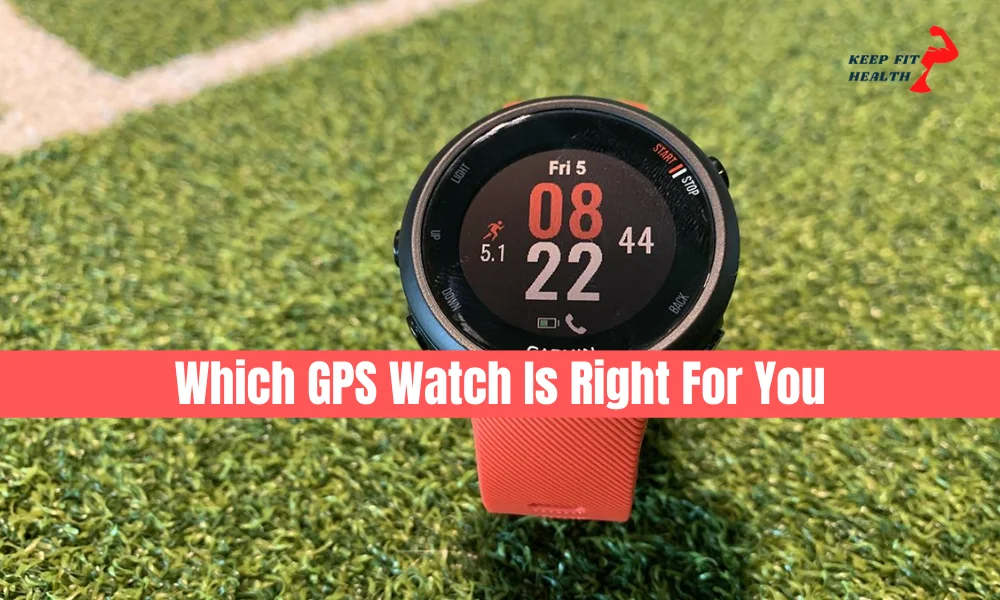
There are various ways to save time in your day, including prioritizing tasks, setting achievable goals, using time-saving tools, delegating tasks, avoiding distractions, using a calendar, batching tasks, taking breaks, outsourcing tasks, and saying no to things that do not align with your goals.

Stay here. I will explore practical tips and strategies to help you save time in your day to make your life more balanced and successful. So let’s get started.

10 Practical tips how to save time in your day

10 Practical tips to save time in your day

Read more: Why Is Mindfulness Important In Fitness?

  • Prioritize your tasks

Prioritizing your tasks means organizing them in order of importance and urgency. It helps you identify the most critical tasks that require immediate attention and focus. Doing so can avoid wasting time on less important tasks and use your time more effectively on high-priority tasks. To prioritize your tasks effectively, you can categorize them based on their importance and urgency. Tasks that are important and urgent should be given the highest priority, followed by tasks that are important but not urgent, and then tasks that are urgent but not important.

  • Set achievable goals

Setting achievable goals means defining clear and realistic objectives for the day. It helps you to stay motivated and focused throughout the day as you work towards achieving your goals. To set achievable goals, you can start by breaking down larger tasks into smaller and more manageable. This lets you track your progress and stay motivated as you complete each task. Additionally, setting achievable goals can help you avoid overcommitting and feeling overwhelmed, ultimately leading to decreased productivity.

  • Use time-saving tools

Using time-saving tools can help you automate and streamline your tasks, saving time and increasing efficiency. Many tools, such as productivity apps, time-tracking apps, and automation tools, can help you manage your time more effectively. For example, a to-do list app can help you stay organized and prioritize your tasks. An automation tool can help you automate repetitive tasks such as email responses or social media posts.

  • Delegate tasks

Delegating tasks means assigning tasks to others who can help you complete them. It allows you to free up time and focus on more important tasks while empowering your team or household members to take on more responsibility. To delegate tasks effectively, you can start by identifying tasks that can be outsourced to others based on their skill sets and availability. Additionally, providing clear instructions and expectations is essential to ensure that the task is completed to your satisfaction.

  • Avoid distractions

Avoiding distractions means minimizing or eliminating anything interrupting your focus and productivity. Common distractions include social media, email, notifications, and other forms of digital media. To avoid distractions, you can start by setting specific times during the day to check your email and social media accounts. Additionally, you can use tools such as website blockers or focus apps on limiting your access to distracting websites or apps during work hours. You can maximize your focus and productivity by minimizing distractions, ultimately saving time.

  • Use a calendar

A calendar is an essential tool to help you manage your time better. Use it to schedule your appointments, meetings, and tasks. You can also use it to set reminders for important deadlines or events. Using a calendar, you can prioritize your time, avoid double-booking, and stay organized. Review your calendar at the start of each day to know what to do.

  • Batch tasks 

Grouping similar tasks and doing them in batches can save you time. This approach helps you avoid task switching, which can cause you to lose focus and waste time. For example, set aside a specific time to reply to emails or make phone calls. You will be more efficient by focusing on one task at a time, and you’ll be able to move on to the next task without losing momentum.

  • Take breaks

Taking short breaks throughout the day is essential to recharge and stay productive. Research has shown that breaks can help you maintain focus, reduce stress, and prevent burnout. So, take a few minutes to stretch, walk, or meditate. Doing so will help you return to essential work with a clear mind and energy.

  • Outsource tasks

Sometimes, it is better to outsource tasks that you cannot do efficiently. Outsourcing can save you time and allow you to focus on your core competencies. For example, if you struggle with bookkeeping, hiring an accountant might be more efficient. You will save time and have peace of mind knowing that an expert is doing the task.

  • Say no

Saying no to things that are not important or do not align with your goals is essential to save time. Learning to say no is difficult, but it is essential to help you avoid overcommitting and stay focused. Before saying yes to a task or request, evaluate whether it aligns with your goals and priorities. If it doesn’t, it’s okay to say no politely. Saying no will help you save time and maintain your focus on what truly matters.

Conclusion

Saving time in your day is about being more productive or efficient and being mindful of your time and priorities. By identifying your goals, eliminating distractions, delegating tasks, and automating repetitive tasks, you can create more time for the things important to you. With consistent effort, you can make time-saving a habit and enjoy a more balanced and fulfilling life.

Benefits Of Healthy Lifestyle And Exercise

benefits of healthy lifestyle and exercise

The benefits of healthy lifestyle and exercise are countless. Living a healthy lifestyle and engaging in regular activity can benefit physical and mental health. Besides, you will find plenty of proven advantages through balancing lifestyle and exercises. 

I will take you through the details of the benefits of both exercise and a healthy lifestyle in practical life. Read on if you are wondering why you should follow a  healthy lifestyle and exercise.

Benefits Of A Healthy Lifestyle

Adopting a healthy lifestyle can bring about numerous benefits that improve your overall well-being. Some of the key benefits include:

1. Reducing the risk of chronic diseases: Eating a healthy diet and engaging in regular exercise can help reduce the risk of chronic diseases such as heart disease, stroke, diabetes, and some cancers. 

In fact, research suggests that regular exercise can reduce the risk of heart disease by up to 35% and the risk of stroke by up to 20%.

2. Improving mental health: Exercise has been shown to help reduce symptoms of depression, and anxiety. Physical activity improves cognitive function and overall mental health. Regular exercise can also enhance the quality of sleep, which is essential for good mental health.

3. Increasing energy levels: Regular exercise can increase energy levels and reduce feelings of fatigue. 

In fact, research suggests that just 20 minutes of exercise can increase energy levels for up to 12 hours.

4. Enhancing the overall quality of life: Adopting a healthy lifestyle can improve the overall quality of life by reducing the risk of illness, improving mental health, and increasing energy levels. Maintaining a healthy weight will improve self-esteem and confidence.

Benefits of Exercise

Read more: How To Gain Muscle Fast For Skinny Guys.

Exercise has numerous benefits. Here are some key benefits of exercise:

1. Improved bone health: Weight-bearing exercises can help improve bone density and reduce the risk of osteoporosis. Research suggests that regular exercise can reduce the risk of hip fractures by up to 40%.

2. Reduced risk of certain cancers: Regular exercise can reduce the risk of certain cancers, including breast, colon, and lung cancers. A study imposes that regular exercise can reduce the risk of breast cancer by up to 25%.

3. Improved sleep quality: Exercise can improve sleep quality by reducing the time it takes to fall asleep and increasing the amount of deep sleep. According to research, regular exercise can reduce the risk of sleep apnea by up to 25%.

4. Increased lifespan: Regular exercise can increase lifespan by reducing the risk of chronic diseases and improving overall health. Research suggests regular exercise can increase lifespan by up to 4.5 years.

5. Improved immune function: Exercise can enhance immune function by stimulating the production of white blood cells and reducing inflammation. 

Statistics suggest regular exercise can reduce the risk of upper respiratory infections by up to 50%.

6. Reduced risk of cognitive decline: Exercise can reduce the risk of cognitive decline and improve cognitive function in older adults. Research suggests that regular exercise can reduce the risk of dementia by up to 30%.

What Is More Important For A Healthy Lifestyle-Exercise Or A Healthy Diet

Both exercise and a healthy diet are crucial aspects of a healthy lifestyle, and it is challenging to determine which is more important. This is because they both provide unique benefits to the body that are necessary for optimal health and living a healthy life.

What Is More Important For A Healthy Lifestyle-Exercise Or A Healthy Diet

In terms of weight loss, diet plays a more significant role. It’s estimated that weight loss is 75% diet and 25% exercise. This means that even if someone exercises regularly, they may not see significant weight loss if they have a poor diet.

Research suggests that a healthy diet is also more effective in reducing the risk of chronic diseases. A study published in the Journal of the American College of Cardiology found that a healthy diet was more effective in preventing cardiovascular disease than exercise.

Another study found that a healthy diet reduced the risk of type 2 diabetes by 58%, while exercise reduced the risk by 31%.

However, exercise is also crucial for overall health. Exercise helps to build muscle, increase bone density, improve cardiovascular health, and boost mental health. According to the World Health Organization, physical inactivity is the fourth leading risk factor for mortality globally.

A survey found that 74% of respondents believed that exercise was more important than diet for maintaining heart health. However, it’s important to note that both diet and exercise are important and should be incorporated into a healthy lifestyle.

FAQ

How can a healthy lifestyle and exercise enhance the overall quality of life?

Engaging in a healthy lifestyle that includes regular exercise can significantly enhance the overall quality of life. Regular physical activity can reduce the risk of chronic diseases and enhance cognitive function. Eating a healthy diet can also reduce the risk of chronic diseases and provide the body with essential nutrients for optimal health.

What role does exercise play in weight management?

Exercise plays a crucial role in weight management. It helps burn calories and build muscle, both of which are important for weight loss and weight maintenance. Regular exercise can increase metabolism, which means the body burns more calories at rest. 

It also helps reduce the risk of weight gain and obesity. Exercise can also help maintain muscle mass while losing weight, which is important for overall health and a higher metabolic rate.

What are some benefits of combining a healthy lifestyle with exercise?

Leading a healthy lifestyle while exercising can bring many benefits such as reducing the chance of long-term diseases like heart disease and diabetes, improving mental health, and increasing energy levels. Exercise can also improve fitness and sleep quality, and help manage weight. It can increase self-esteem and confidence, leading to a better quality of life.

Conclusion

Are you tired of feeling sluggish and run down all the time? It’s time to take control of your health and start living a more active lifestyle! By adopting a healthy diet and engaging in regular exercise, you can improve your physical and mental health in countless ways.

Say goodbye to chronic illnesses and hello to a happier, healthier you. Don’t wait any longer to start reaping the benefits of a healthy lifestyle and exercise. Your body and mind will thank you!

Why Is Mindfulness Important In Fitness

Why is mindfulness important in fitness

Mindfulness has become increasingly popular in recent years, and for a good reason. It is good for both mental and physical health, including fitness. Mindfulness can help individuals tune in to their bodies, reduce stress and anxiety, and make healthier choices.

In this article, I will explain why mindfulness is important in fitness and how you can incorporate it into your exercise routine to maximize your results and overall well-being. So, whether you’re a seasoned fitness enthusiast or just getting started, read on to discover the many benefits of mindfulness in fitness.

What Is Mindfulness In Exercise?

Mindfulness in exercise is the practice of being fully present and aware of your physical and mental state while engaging in physical activity. It involves bringing your attention to the sensations in your body, your breath, and your surroundings without being distracted by external stimuli or racing thoughts.

The goal of mindfulness in exercise is to cultivate a sense of focus, relaxation, and non-judgmental awareness. It helps to enhance the benefits of physical activity.

You can enhance your stance and technique, reduce your chance of injury, and get more enjoyment out of your workouts by implementing mindfulness in exercise.

Types Of Mindfulness

There are various types of mindfulness practices that individuals can engage in to cultivate a greater sense of awareness and well-being. 

In “Types of Mindfulness: Orders of Conditionality and Stages of the Spiritual Path,” author Andrew Olendzki proposes a classification system for mindfulness based on two dimensions: order of conditionality and spiritual path. 

The system includes three types of mindfulness – natural, acquired, and cultivated – and four stages of spiritual development – ethics, concentration, insight, and liberation.

But here, I will explain more common and renowned types of mindfulness. Let’s take a look at some of them:

Types Of Mindfulness

Read More: How To Get Out Of A Mental Health Slump

1. Body scan mindfulness: This involves systematically bringing attention to different parts of the body, noticing sensations and any areas of tension or discomfort. This practice can help increase body awareness and promote relaxation.

2. Mindfulness-Based Stress Reduction (MBSR): This structured program developed by Dr. Jon Kabat-Zinn teaches individuals how to cultivate mindfulness through meditation, yoga, and other exercises. It has been shown to be effective in reducing stress, anxiety, depression, and improving overall well-being.

3. Mindfulness-Based Cognitive Therapy (MBCT): This program combines mindfulness with cognitive-behavioral therapy elements to help individuals with recurrent depression. It aims to interrupt negative thought patterns and cultivate more positive thinking and self-compassion.

4. Acceptance and Commitment Therapy (ACT): This therapy approach utilizes mindfulness practices to help individuals develop acceptance and greater psychological flexibility. It can be effective for a range of mental health conditions, including anxiety, depression, and chronic pain. 

5. Dialectical Behavior Therapy (DBT): This method combines mindfulness with other skills, such as emotion regulation, distress tolerance, and interpersonal effectiveness.  The goal is to help individuals with borderline personality disorder and other mental health conditions.

6. Breathing mindfulness: This involves focusing on the breath and is often used as a foundational practice for other forms of mindfulness. The goal is to become aware of the sensation of the breath as it moves in and out of the body and to maintain this focus without being distracted by other thoughts or sensations. 

7. Mindfulness meditation: Mindfulness meditation involves focusing on the present moment and gently redirecting attention back to the breath when distractions arise. It has been extensively studied and found to have mental and physical health benefits, such as reducing stress and anxiety, improving cognitive functioning, and increasing overall well-being. 

Why Is Mindfulness Important In Fitness?

Research has shown that practicing mindfulness can have a significant impact on physical fitness and well-being. Here are some reasons why mindfulness is important in fitness:

Why Is Mindfulness Important In Fitness

Read more: Ideal Height And Weight Chart For Men And Women.

1. Stress reduction: Mindfulness-based stress reduction programs have been found to reduce stress and improve mood in participants.

In a study published in the Journal of Alternative and Complementary Medicine, participants who completed an eight-week mindfulness program reported a 45% reduction in perceived stress.

2. Improved Body Awareness: Mindfulness helps individuals to develop a deeper understanding of their body’s movements and sensations. This allows for better body awareness, leading to an increased ability to identify and address areas of discomfort or tension during exercise.

3. Enhanced Exercise Performance: Mindfulness practices have been found to enhance exercise performance by improving focus, reducing distraction, and increasing overall motivation.

4. Improved Recovery: Mindfulness-based interventions, such as yoga and tai chi, have been found to improve recovery time and reduce muscle soreness after exercise.

Incorporating mindfulness practices into a fitness routine can lead to a 30% reduction in muscle soreness following exercise.

5. Increased Motivation and Adherence: Incorporating mindfulness practices into a fitness routine can help individuals stay motivated and committed to their exercise goals.

6. Improved Overall Well-Being: Mindfulness has been linked to improved mental health, reduced inflammation, and better immune function, all of which contribute to overall well-being.

According to the earlier mentioned study, practicing mindfulness can lead to a 40% reduction in inflammation markers in the body.

How To Practice Mindfulness?

There are plenty of ways to practice mindfulness. The most effective and common techniques for practicing mindfulness are mentioned below:

How To Practice Mindfulness

Read more: Top 10 Best Fruits That Burn Belly Fat Without Exercise.

1. Start with a formal practice: A formal practice involves setting aside a specific time each day to practice mindfulness. This can involve sitting meditation, body scan, or gentle yoga. Starting with a formal practice can help establish a routine and build a strong foundation for incorporating mindfulness into daily life.

2. Practice informally: In addition to formal training, mindfulness can be incorporated into everyday activities such as washing dishes, walking, or eating. This involves bringing full attention and awareness to the present moment and the task.

3. Deep breathing: Take a few deep breaths, inhaling through your nose and exhaling through your mouth. Focus on the sensation of your breath as it enters and leaves your body.

4. Practice body scan meditation: Sit or lie down and scan your body from head to toe, focusing on each body part and any sensations you feel. This can help increase body awareness and reduce tension.

5. Try yoga or tai chi: These mind-body practices incorporate mindfulness and movement, helping to increase body awareness, reduce stress, and improve overall well-being.

6. Practice mindfulness in a group: Joining a mindfulness group or attending a class can provide support and accountability, as well as opportunities to learn from others and deepen your practice.

FAQ:

Mindful movements for students? 

Students can focus better, feel less stressed, and be more well-rounded by engaging in mindful movements. Mindful movements can include yoga, tai chi, walking meditation, stretching, and breathing exercises. These practices have been shown to improve attention and reduce anxiety in children and adolescents.

Students can incorporate mindful movements into their daily routine by taking short movement breaks or practicing mindful breathing exercises in the classroom. It’s important to approach these practices with mindfulness and gradually build up a regular routine over time.

What is mindful movement yoga?

Mindful Movement Yoga is a yoga style that emphasizes the connection between movement, breath, and mindfulness. It involves slow and intentional movements synchronized with deep breathing, promoting relaxation and reducing stress and anxiety. 

Practitioners focus on being fully present at the moment, promoting overall physical and mental well-being. Mindful Movement Yoga is suitable for all levels of experience.

Mindful movement activities for adults

Mindful movement activities for adults, such as yoga and walking meditation, promote the connection between the mind, body, and breath. These activities encourage practitioners to be present at the moment, focus their attention, and cultivate mindfulness.

Adults who practice mindful movement can experience less stress, greater emotional and mental stability, and an overall higher level of awareness.

Conclusion 

Mindfulness is a crucial element in fitness that promotes a deeper connection between the mind and body, leading to a more holistic approach to health and well-being. 

Incorporating mindfulness into fitness practices can help individuals become more aware of their bodies, improve focus and concentration, reduce stress and anxiety, and foster a positive relationship with physical activity. 

So put an end to your waiting and try mindfulness in your exercises!